Indoor and outdoor cladding

Indoor and outdoor cladding has become a defining element in modern architecture, blending aesthetics with functionality. It acts as a protective skin while elevating the visual appeal of any structure. Whether used in homes or commercial spaces, cladding introduces texture and personality. Its versatility allows designers to experiment with bold and subtle finishes alike.

Interior cladding offers a unique opportunity to enhance ambiance without major structural changes. Materials like wood panels, stone veneers, and decorative laminates can redefine walls effortlessly. These surfaces create warmth, depth, and sophistication in living and working spaces. The right choice of cladding can completely shift the mood of a room.
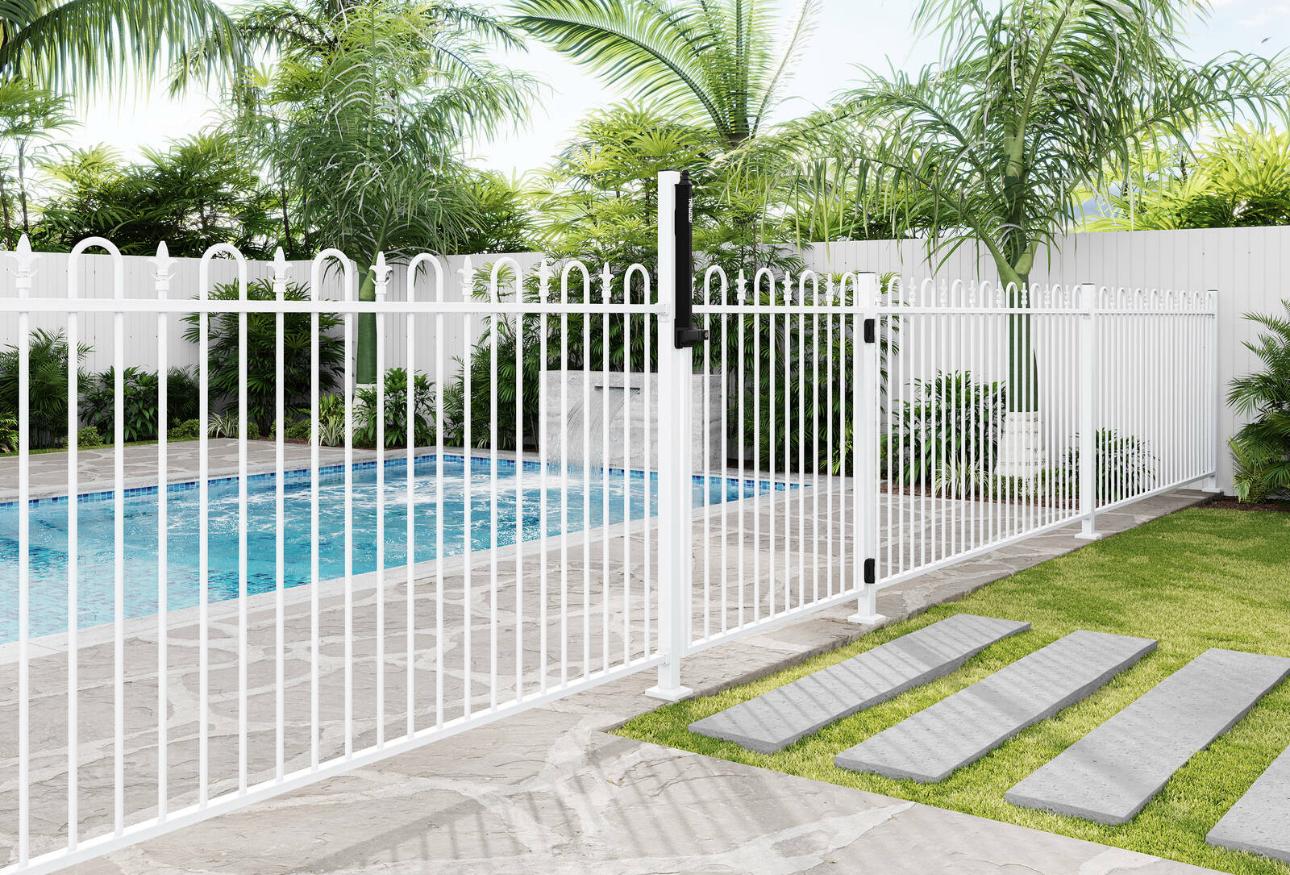
Exterior cladding plays a crucial role in safeguarding buildings from environmental elements. It shields structures from rain, heat, and wind while maintaining structural integrity. Durable materials such as fiber cement, metal, and natural stone are commonly used. These options ensure longevity without compromising on visual appeal.

One of the biggest advantages of cladding is its ability to improve insulation. It helps regulate indoor temperatures, reducing energy consumption throughout the year. Properly installed systems can significantly enhance thermal efficiency. This not only adds comfort but also lowers utility costs over time.

Design flexibility is another reason cladding has gained popularity across different construction styles. From rustic finishes to sleek contemporary looks, the possibilities are endless. Architects often use cladding to create focal points or highlight architectural features. It allows for creativity without altering the building’s core structure.

Maintenance requirements vary depending on the chosen material and application area. Some surfaces, like metal or composite panels, require minimal upkeep over the years. Others, such as timber, may need periodic treatment to maintain their finish. Selecting the right material ensures both durability and ease of care.

Sustainability is becoming an important factor in cladding choices today. Many modern materials are eco-friendly, recyclable, and energy-efficient. Designers are increasingly opting for solutions that reduce environmental impact. This shift reflects a growing awareness of responsible construction practices.

Ultimately, indoor and outdoor cladding serves as both a functional and decorative solution. It enhances the building’s resilience while adding character and charm. With endless material and design options available, it suits diverse tastes and needs. Investing in quality cladding ensures long-term value and timeless appeal.