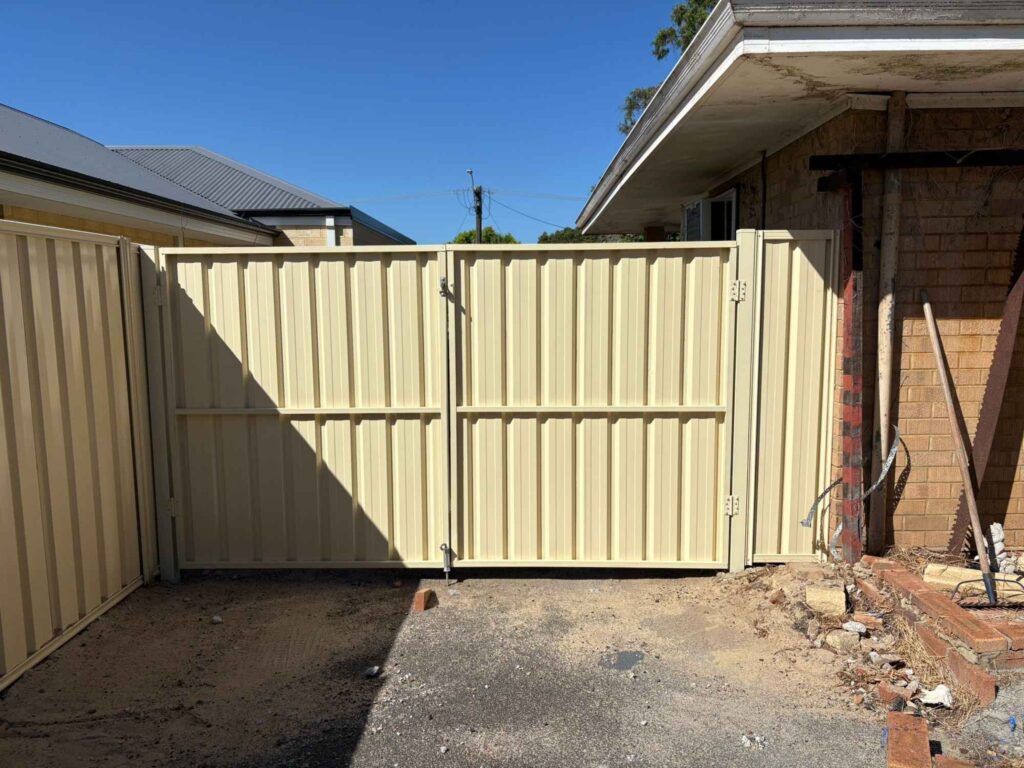
Pinelap fencing remains one of the most requested timber fencing styles across Perth, and for good reason. It delivers a warm natural look at a genuinely affordable price point, which makes it a popular choice for homeowners who want a classic fence without the higher cost of hardwood or steel alternatives.
This guide explains exactly what pinelap fencing is, how it performs in Perth’s climate, what maintenance it actually needs, and where it makes the most sense compared to other fencing materials.
In short, pinelap fencing is a timber fence built from horizontal overlapping pine boards fixed to timber or steel posts. It offers a lower upfront cost than most alternatives, a traditional timber appearance many homeowners prefer, and a service life that depends heavily on the treatment level used and how well the fence is maintained over time.
What Is Pinelap Fencing
Pinelap fencing gets its name from its construction method. Horizontal pine boards overlap each other slightly as they run up the fence, similar to weatherboard cladding on a house. This overlapping design sheds rainwater effectively and creates the distinctive horizontal lined appearance that sets pinelap apart from vertical paling fences.
The boards themselves are typically radiata pine, a plantation grown softwood widely used across Australia for outdoor timber products. Pine grows quickly and sustainably compared to slower growing hardwoods, which keeps the raw material cost lower and makes pinelap one of the most budget friendly timber fencing options available.
How Pinelap Fencing Is Manufactured
Pine boards used in pinelap fencing go through a preservative treatment process before they ever reach a building site. This treatment forces chemical preservatives deep into the timber to protect it against rot, fungal decay, and termite attack, all of which pine is naturally vulnerable to without treatment.
The treated boards are then milled to a consistent profile, usually with a slight bevel or lap edge that allows each board to overlap the one below it. This creates the horizontal shiplap style appearance while also improving water runoff compared to a flat butted board design.
The Visual Appeal of Pinelap Fencing
Pinelap fencing brings a warmth and texture that steel and aluminium fencing simply cannot replicate. The horizontal timber grain, combined with the overlapping board pattern, gives the fence a traditional cottage style character that suits older homes, character properties, and gardens with a natural or cottage inspired design.
Many homeowners choose pinelap specifically because it softens a boundary line visually rather than presenting the flat uniform surface of a steel panel fence. This makes it a popular choice for front garden fencing, feature sections, and properties where the fencing is meant to complement established garden beds and established trees.
Common Uses for Pinelap Fencing
Pinelap fencing suits a wide range of applications across a typical Perth property. Understanding where it performs best helps you decide whether it fits your specific project.
Boundary and Privacy Fencing
Pinelap works well as full height boundary fencing, typically installed around 1.8 metres to provide privacy between neighbouring properties. Its solid overlapping board construction blocks sightlines effectively while still allowing the fence to breathe slightly, which can reduce wind load compared to a completely sealed panel.
Garden and Feature Fencing
Lower pinelap sections, often around one metre or less, work well as decorative garden fencing or as a feature element separating different zones within a property. This use case leans more on the material’s natural appearance than on privacy or security.
Rental and Budget Conscious Properties
Given its lower upfront cost compared to Colorbond or aluminium, pinelap is a common choice for rental properties, investment homes, and budget conscious renovation projects where the priority is a functional, attractive fence at a manageable price point.
Understanding Timber Treatment Classes
Timber treatment level is the single most important factor determining how long a pinelap fence actually lasts, and it is worth understanding before choosing a supplier or installer. Australian Standard AS/NZS 1604 defines a series of hazard classes that specify the level of preservative treatment applied to timber, based on how and where it will be used.
According to the treatment classification outlined in the standard, H3 treated timber suits outdoor above ground applications with periodic moderate wetting, covering typical uses like fence palings, fascias, and pergolas, while H4 treated timber is rated for outdoor in ground use where the timber faces severe wetting and leaching, which is exactly the exposure fence posts experience once set into the ground. A detailed breakdown of these hazard classes and what each one covers is available through Canterbury Timbers’ guide to timber treatment in Australia, which is a useful reference if you want to understand exactly what treatment level your fence should carry.
Why H3 and H4 Treatment Matters for Pinelap Fencing
A properly built pinelap fence should use H3 treated boards for the above ground lap sections and H4 treated posts for anything going into the ground. Using H3 treatment on in ground posts, a shortcut some cheaper suppliers take to save cost, significantly reduces how long the posts will last before rot sets in at ground level.
Asking your supplier or installer directly which hazard class each timber component carries is one of the simplest ways to confirm you are getting a fence built to last rather than one that looks fine on installation day but fails prematurely at the post line.
Expected Lifespan of Pinelap Fencing
A well built pinelap fence using correctly treated timber and maintained with regular sealing typically lasts between ten and fifteen years, with some well cared for installations lasting longer. This is shorter than Colorbond’s typical twenty five year lifespan, which is an important trade off to understand when comparing upfront cost against long term value.
Posts generally fail before the lap boards themselves, since ground contact exposes them to the most sustained moisture and pest pressure. Choosing correctly treated H4 posts and keeping soil and mulch pulled back from direct post contact both meaningfully extend the practical lifespan of the fence.
How Perth’s Climate Affects Pinelap Fencing
Perth’s climate presents both advantages and challenges for timber fencing. The long dry summer reduces the risk of prolonged moisture exposure that drives fungal decay, which works in pinelap’s favour compared to more consistently wet climates elsewhere in Australia.
However, intense UV exposure through summer causes untreated or unsealed timber to grey and dry out relatively quickly, and Perth’s dry heat can lead to boards cracking or splitting if they are not periodically resealed with an appropriate timber oil or sealant. Termite activity across many Perth suburbs also makes correct preservative treatment genuinely important rather than optional.
Maintenance Pinelap Fencing Actually Needs
Unlike Colorbond, pinelap fencing requires genuine ongoing maintenance to reach its full potential lifespan. Understanding this commitment upfront helps you decide whether the lower purchase price actually suits your situation.
Staining and Sealing
Applying a quality timber oil or stain every one to two years protects the surface from UV damage and helps prevent cracking and splitting. This is the single most impactful maintenance task for extending the fence’s appearance and lifespan, and skipping it accelerates weathering noticeably.
Checking for Damage
Periodically inspecting boards and posts for early signs of splitting, insect activity, or softening at ground level allows small issues to be addressed before they become larger structural problems. Catching a failing post early, for example, is far cheaper than replacing an entire fence section after it fails completely.
Keeping Growth and Moisture Away
Trimming back garden growth that presses directly against the fence and keeping mulch pulled away from post bases both reduce trapped moisture against the timber, which is one of the main drivers of premature rot.
How Much Does Pinelap Fencing Cost
Pinelap fencing sits at the more affordable end of the fencing material spectrum, which is part of why it remains such a popular choice for budget conscious projects. Exact pricing depends on fence height, total length, post spacing, and site conditions, so an accurate figure really does require a proper site assessment rather than relying on a generic online estimate.
You can request a free itemised quote for your specific property through the get a free quote page, which accounts for your actual site conditions rather than a rough average.
Pinelap Compared to Colorbond
Choosing between pinelap and Colorbond largely comes down to weighing upfront cost against long term maintenance and lifespan. Pinelap typically costs less initially and offers a natural aesthetic many homeowners specifically want, while Colorbond costs somewhat more upfront but needs almost no ongoing maintenance and lasts considerably longer, as covered in detail on our Colorbond fencing page.
Over a fifteen to twenty year period, the total cost of ownership for these two materials often ends up closer than the initial price difference suggests, once pinelap’s periodic sealing and eventual post replacement are factored in. The right choice ultimately depends on whether you specifically value the timber aesthetic enough to accept the additional upkeep.
Pinelap Compared to Other Timber Fencing Styles
Paling fencing, built from vertical timber boards rather than horizontal overlapping ones, is another common timber fencing style in Perth. Paling fences generally use similar treated pine materials and share comparable durability characteristics, but the vertical board orientation gives a different visual result, often considered slightly more traditional or utilitarian compared to pinelap’s more textured horizontal lap pattern.
Choosing between the two styles is largely a matter of aesthetic preference rather than a meaningful difference in cost or durability, since both rely on the same underlying treated pine construction.
If you are weighing up pinelap against other fencing materials for your property,
And we can walk you through which option genuinely suits your budget and site conditions.
What Installation Involves
A proper pinelap installation starts the same way any quality fence installation does, with posts set to an appropriate depth and given adequate time to cure in concrete before boards go on. Perth’s sandy soil in many suburbs often requires deeper or wider footings than firmer soil elsewhere to keep posts stable long term.
Once posts are set, horizontal rails are fixed between them to provide the structure the lap boards attach to. Boards are then fixed in place, each overlapping the one below to shed water correctly, working up the fence line with attention to consistent spacing and alignment throughout.
Post Selection Matters More Than People Expect
Posts are the component most likely to fail first in any timber fence, which makes post selection a genuinely important decision rather than an afterthought. H4 treated timber posts are the minimum standard for in ground use, though some installers now offer steel posts paired with timber lap boards, which combines the timber aesthetic with the improved longevity of a steel post that will not rot at ground level.
Asking your installer directly whether they offer this hybrid approach is worth doing if maximising lifespan matters more to you than a fully timber construction.
Common Problems With Pinelap Fencing
A handful of issues show up repeatedly on poorly maintained or poorly built pinelap fences, and knowing them helps you avoid the same mistakes. Posts rotting at ground level from insufficient treatment or trapped moisture is the most common failure point, often showing up as a leaning fence section years before the boards themselves show significant wear.
Cracking and splitting boards from UV exposure without regular sealing is another frequent issue, particularly on north or west facing fence lines that receive the most direct sun through a Perth summer. Board warping can also occur if timber was not properly kiln dried before installation, which is worth asking your supplier about directly.
How to Extend the Lifespan of a Pinelap Fence
A few consistent habits make a genuine difference to how long a pinelap fence lasts. Reapplying a quality timber sealant or oil every twelve to twenty four months protects the surface and slows down UV related cracking significantly compared to leaving timber untreated after installation.
Keeping garden beds and irrigation systems positioned so they do not directly spray or pool water against the fence base reduces one of the main causes of premature post failure. Addressing small issues, such as a single split board or a slightly loose rail, as soon as they appear also prevents minor problems from becoming larger structural ones.
Choosing a Quality Pinelap Installer
The quality of a pinelap fence depends heavily on both material choice and installation care, which makes choosing the right contractor just as important as choosing the material itself. Ask directly what hazard class treatment is used for both the lap boards and the posts, since this single detail affects lifespan more than almost anything else.
Confirm post depth and concrete curing time, ask whether a workmanship warranty is included, and request to see examples of completed pinelap installations through our gallery. More background on our own approach to fencing projects across Perth is available on the about us page.
Environmental Considerations
Pine used in pinelap fencing comes from fast growing plantation forests, which makes it a genuinely renewable material compared to slower growing hardwood alternatives. This plantation sourcing is part of why pine remains a cost effective and relatively sustainable timber choice for outdoor building products across Australia.
At the end of its service life, treated timber does require appropriate disposal due to the preservative chemicals used in treatment, which is worth discussing with your installer if environmental disposal practices matter to your decision making.
Frequently Asked Questions
How long does pinelap fencing typically last?
A well built pinelap fence using correctly treated timber and regular sealing typically lasts between ten and fifteen years. Posts often fail before the lap boards themselves, so post treatment quality plays a major role in overall lifespan.
Does pinelap fencing need regular maintenance?
Yes. Applying a quality timber oil or sealant every one to two years protects the surface from UV damage and helps prevent cracking, which is the main ongoing maintenance requirement compared to lower maintenance materials like Colorbond.
What is the difference between H3 and H4 treated timber?
H3 treatment suits outdoor above ground applications like fence palings, while H4 treatment is rated for in ground use where timber faces more severe wetting, making it the correct choice for fence posts specifically.
Is pinelap fencing cheaper than Colorbond?
Pinelap generally has a lower upfront cost than Colorbond, though Colorbond requires far less maintenance and typically lasts considerably longer. The better long term value depends on how much ongoing upkeep you are willing to commit to.
Can pinelap fencing be used for a full boundary fence?
Yes. Pinelap is commonly installed as full height boundary fencing around 1.8 metres, providing solid privacy while offering a more traditional timber appearance than steel alternatives.
Why do pinelap fence posts fail before the boards do?
Posts sit in direct ground contact, which exposes them to the most sustained moisture and pest pressure. Using correctly treated H4 posts and keeping soil and mulch away from the base significantly extends how long they last.
Is pinelap fencing suitable for Perth’s climate?
Yes, with proper maintenance. Perth’s dry summer reduces prolonged moisture exposure, which benefits timber, though intense UV requires regular sealing to prevent cracking, and correct treatment is important given termite activity across many Perth suburbs.
Ready to Explore Pinelap Fencing for Your Property
Pinelap fencing remains a genuinely strong choice for homeowners who want a natural timber look at an accessible price point, provided you go in with a clear understanding of the maintenance it requires to reach its full lifespan.
If pinelap sounds like the right fit for your property, reach out to
Our team can talk you through the specific treatment levels we use, arrange a proper site assessment, and provide an itemised quote so you know exactly what to expect before work begins.