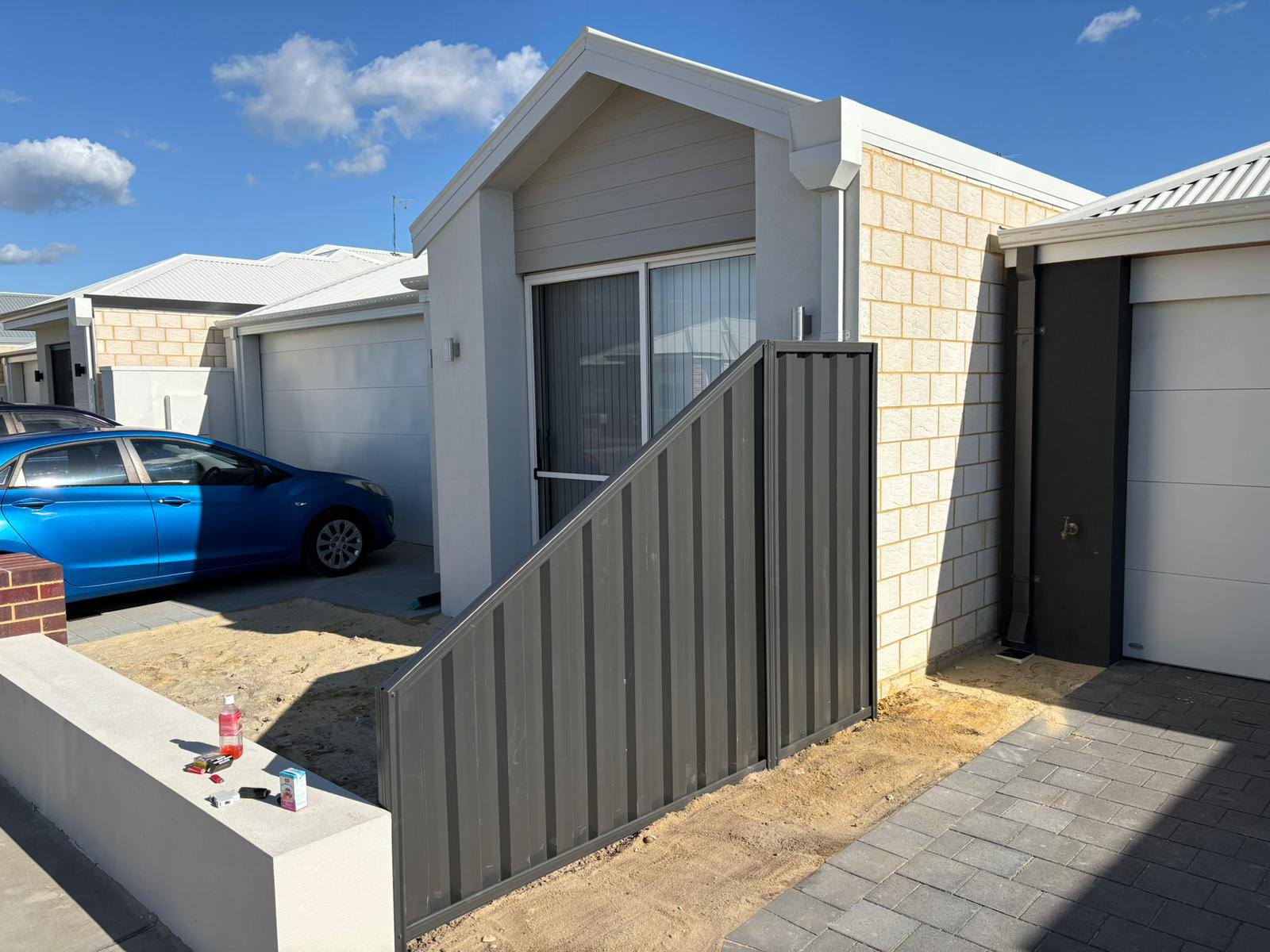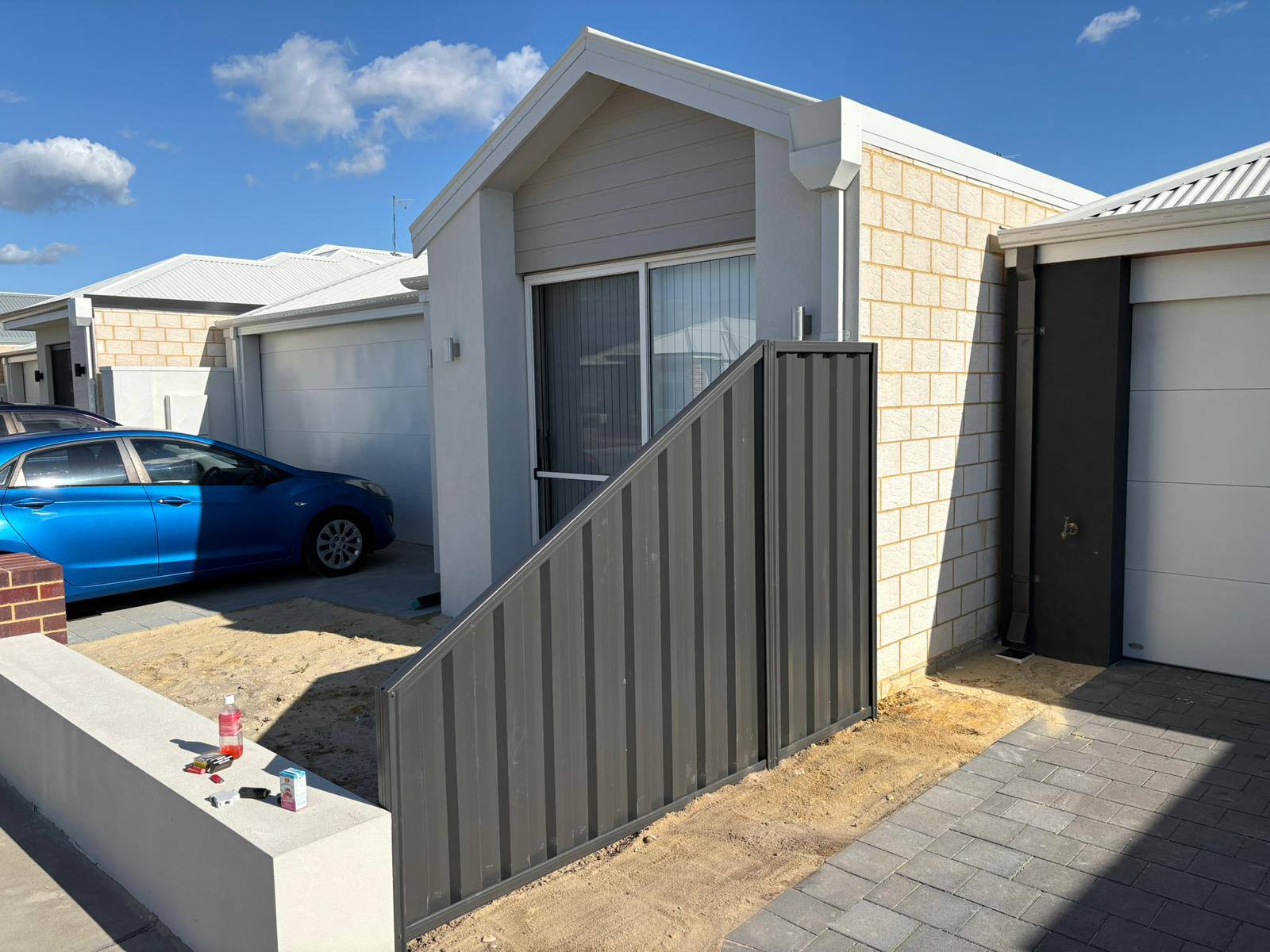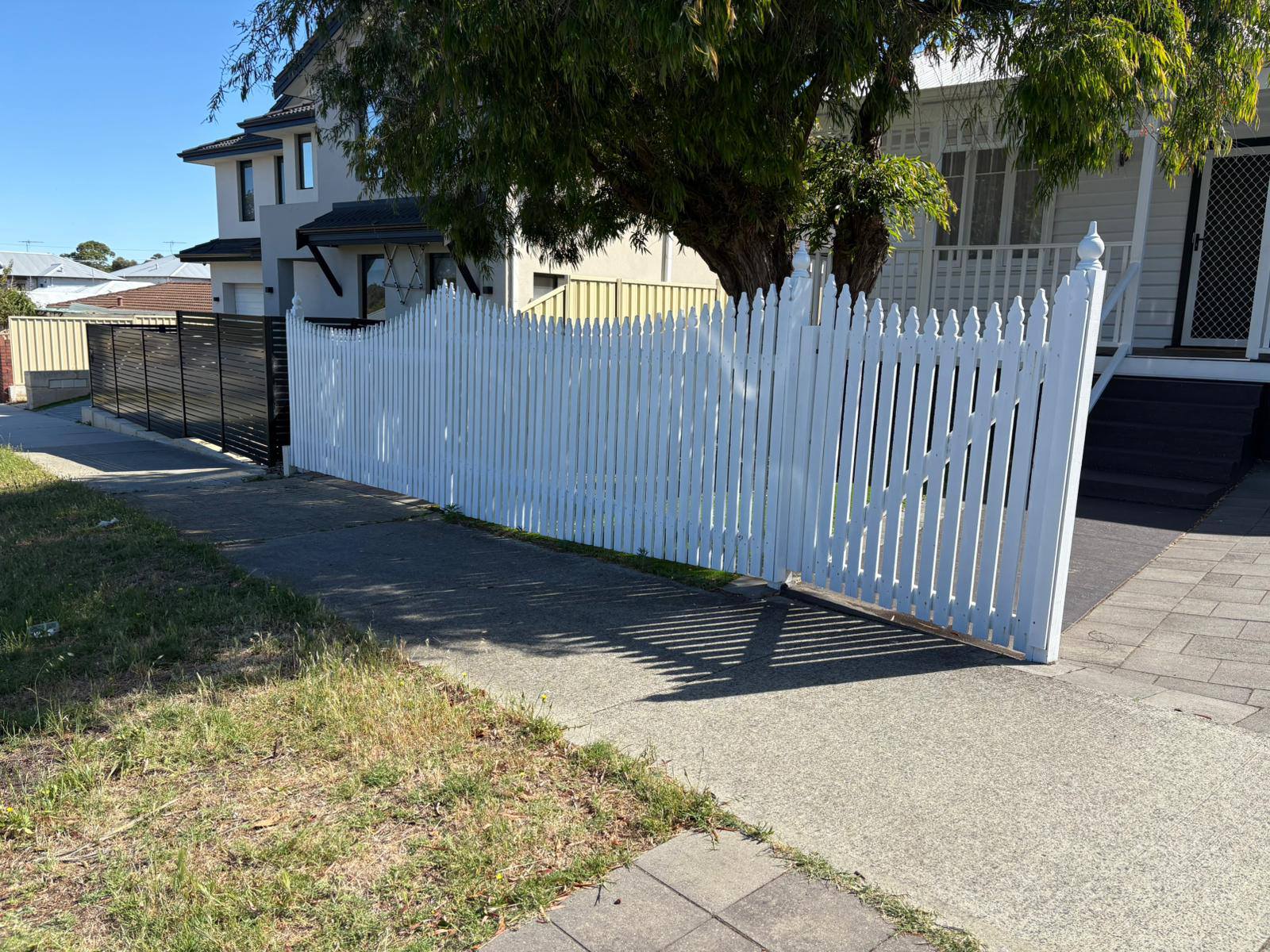
5 Signs You’ve Found a Genuinely Professional Fencing Company in Perth

Fencing is one of those home projects where the difference between a good contractor and a poor one is not always obvious at the quoting stage. Everyone sounds confident on the phone and most quotes look reasonable on paper. The real difference only becomes clear a year or two later when one fence is still standing straight and another has posts leaning gates sagging and panels shifting out of alignment.

In short a genuinely professional fencing company in Perth can usually be identified through five consistent signs. These are a proper site assessment before any quote is given a clear itemised quote rather than a single vague figure genuine licensing insurance and local presence a real workmanship warranty and clear communication that continues after the job is finished rather than disappearing once payment is received. Spotting these signs before you sign a contract can save you from a fence that needs repair or replacement well before it should.

This guide walks through each of these five signs in detail explains why they matter so much for a fencing project specifically and gives you practical questions to ask so you can confidently tell the difference between a contractor who takes their work seriously and one who is simply chasing the next job.

Why This Actually Matters for Fencing Specifically

Before getting into the five signs it is worth understanding why professionalism matters more in fencing than it might for some other home services. A fence is a structure that sits outdoors exposed to Perth’s intense sun heavy winter rain and in many suburbs sandy or shifting soil conditions year round. Every shortcut taken during installation whether that is a shallow post footing rushed concrete curing or poorly aligned panels becomes increasingly visible over time rather than being hidden away behind a wall or under flooring the way some other trade shortcuts can be.

This means the gap between professional and amateur work in fencing shows up directly in how long the fence lasts and how much it ends up costing you in repairs over its life. A company that cuts corners on any of the five signs covered below is very often cutting the same corners in how the fence itself is actually built.

Sign One They Conduct a Proper Site Assessment Before Quoting

The single clearest early indicator of a professional fencing company is whether they insist on actually seeing your property before providing a quote. Ground conditions vary enormously across Perth with some suburbs sitting on soft loose sand and others on firmer clay based soil and this genuinely changes how deep post footings need to be and how much concrete is required for a stable long term result.

A company willing to give you a fixed price over the phone or through a quick online form without ever visiting your property is making assumptions rather than assessments. They cannot know whether your site is sloped whether there are underground services running through the fence line whether access is difficult due to a narrow side gate or steep driveway or whether an existing fence needs to be removed first. All of these factors genuinely affect both the price and the approach required and a company skipping this step is either planning to adjust the price significantly once work begins or planning to apply a generic approach regardless of what your specific property actually needs.

During a proper site visit a professional installer will walk the full fence line check the soil and slope look for any obstacles and ask direct questions about what you actually want the fence to achieve whether that is privacy security pool safety compliance or simply a boundary marker. This conversation is also where a good installer will offer honest advice about which material genuinely suits your specific site rather than simply pushing whichever option is easiest for them to install.

If you want to see what a proper assessment and quote process looks like you can request one directly through the get a free quote page where a real site visit is part of how an accurate quote is put together.

Sign Two They Provide a Clear Itemised Quote

The second sign follows naturally from the first. A professional fencing company breaks their quote down into clear components rather than presenting a single lump figure with no explanation of what it covers. A proper quote should clearly separate materials labour post depth and concrete work gate hardware removal and disposal of any old fencing and the specific warranty terms attached to the job.

This matters for two practical reasons. First it allows you to genuinely compare quotes from different companies since a lower total figure from one contractor might simply be excluding disposal costs or offering a shorter warranty rather than actually being cheaper for equivalent work. Second an itemised quote is a strong indicator that the company has actually thought through your specific project in detail rather than applying a generic rate per metre without considering your site conditions.

A vague single figure quote is one of the clearest warning signs in the entire fencing industry since it makes it easy for a contractor to quietly reduce quality in areas you cannot easily verify such as post depth or concrete quantity while still hitting the number they quoted you. Asking directly for a breakdown before accepting any quote is one of the simplest ways to protect yourself from this.

Sign Three They Are Licensed Insured and Have a Genuine Local Presence

Proper licensing and insurance should be a baseline expectation rather than an optional extra and a professional fencing company will confirm this without hesitation when asked. This protects you in several ways including coverage if property damage occurs during the job and confirmation that the company is operating within the legal requirements for trade work in Western Australia.

Genuine local presence is closely connected to this and matters for reasons that go beyond simple convenience. A company with an established physical base in your region has direct experience with local soil conditions has typically worked within your specific council’s permit requirements before and is far easier to hold accountable if a problem arises after the job is finished compared to a company with no real local footing. You can learn more about the background and approach of an established local operator through a page like the about us page which should give you a genuine sense of the company’s history and local roots rather than a generic corporate description that could apply to any city in the country.

A practical way to verify local presence is simply asking directly for the company’s physical business address and how long they have operated in your specific area. A professional company answers this clearly and confidently. A company stretching the truth about their local presence will often become vague or change the subject when asked for specifics.

Sign Four They Offer a Real Workmanship Warranty

A genuine workmanship warranty is one of the clearest practical signs that a company stands behind the quality of their own work rather than simply moving on to the next job as soon as payment clears. This warranty should be separate and distinct from any manufacturer warranty on the materials themselves. For example if genuine Colorbond steel is used the manufacturer warranty on the steel itself is provided by BlueScope directly and further detail on how that process works is available through the official Colorbond warranty information page. The workmanship warranty on top of this is provided by your installer and covers issues that arise from the installation itself such as posts shifting or panels coming loose over time.

A professional company will explain both of these clearly and provide documentation for each once your project is complete. A company offering no workmanship warranty or only a very short period of cover such as under twelve months is a signal worth taking seriously since it often reflects limited confidence in the durability of their own installation process.

It is also worth asking specifically what the workmanship warranty actually covers and how a claim would be handled in practice. A vague answer here such as simply saying the work is guaranteed without any further detail is generally less reassuring than a company that can walk you through exactly how their warranty process works step by step.

If you want a fencing company that puts a genuine workmanship warranty in writing alongside every quote

And ask directly about our warranty terms before you commit to any project.

Sign Five They Communicate Clearly and Stand Behind Their Work After Installation

The final and arguably most telling sign of a genuinely professional fencing company only becomes apparent after the invoice has been paid. Does the company remain responsive if you have a question or notice an issue in the weeks or months following installation or does communication quietly drop off once the job is technically finished.

Professional companies tend to treat the relationship as ongoing rather than transactional particularly at the local level where reputation within the community directly affects future business. This shows up in practical ways such as a company that proactively checks in after a significant weather event to see if everything has held up well or one that responds promptly and without defensiveness if you raise a concern about gate alignment or a panel that seems slightly off.

This kind of ongoing accountability is genuinely difficult to fake and is one of the clearest reasons why choosing a company with a real established local presence tends to correlate so strongly with a better overall experience. A company that exists mainly as a listing on a lead generation website with no consistent local team behind it has far less at stake in maintaining that relationship with you specifically.

Additional Questions Worth Asking Before You Commit

Beyond the five core signs there are a handful of direct questions that can quickly help you separate a professional operator from one simply chasing volume. Ask how deep posts will be set and how long concrete will be left to cure before panels are attached since rushing this step is one of the most common causes of leaning or shifting fences over time. Ask whether the crew who conducts your site visit is the same crew who will complete the installation since continuity here often reflects a more organised and accountable operation. Ask directly whether council approval is required for your specific project and whether the company will assist with that process or leave it entirely to you. And ask to see examples of completed work in your local area which a page like our gallery provides so you can judge the actual finished quality of past projects rather than relying purely on descriptions.

A genuinely professional company answers every one of these questions clearly and without hesitation since the answers simply reflect how they already operate day to day. Vague or evasive answers to any of these questions are worth treating as a signal to keep comparing other options.

Understanding the Difference Compliance Makes

Professionalism also shows up clearly in how a company handles compliance requirements particularly for projects involving pool fencing which carries strict legal obligations in Western Australia. Any private pool containing more than three hundred millimetres of water must have a compliant safety barrier at all times and that barrier must be at least 1.2 metres high with gates that close and latch automatically. Full detail on these specific requirements is available through the WA Government’s official Rules for Pools and Spas guide.

A professional fencing company working on pool safety projects should be familiar with these requirements without needing to be prompted and should be able to explain exactly how your specific gate and barrier design will meet them. A company that seems unfamiliar with these rules or brushes past questions about compliance is a genuine red flag for a pool fencing project specifically since non compliance can mean a failed inspection and additional cost to correct the work later. You can see our specific approach to this category of work through the pool safety fence page.

Red Flags That Signal the Opposite of Professionalism

It helps to also know the clear warning signs that point the other way. Pressure to pay the full amount upfront before any work has started is a significant red flag since professional companies typically structure payment around project milestones rather than demanding full payment in advance. No fixed business address or reluctance to provide one is another clear warning sign as covered earlier. Reviews that consistently mention posts leaning gates sagging or panels warping within a year or two of installation point directly to the kind of installation shortcuts covered throughout this guide.

A quote that arrives suspiciously quickly with no site visit and no itemised breakdown is also worth treating with real caution regardless of how competitive the final number looks on paper. As covered earlier the price on a vague quote is far easier to hit by quietly cutting corners you cannot easily verify from a single number alone.

How These Signs Apply Across Different Fencing Materials

It is worth noting that these five signs apply consistently regardless of which fencing material you ultimately choose. Whether you are installing Colorbond fencing pinelap timber fencing or aluminium slat fencing the fundamentals of a proper site assessment an itemised quote genuine licensing and local presence a real workmanship warranty and ongoing accountability after the job is finished remain exactly the same. The material affects the specific installation techniques and maintenance expectations but not the underlying markers of a professional operation.

This consistency is useful to keep in mind if you find yourself comparing quotes for different materials from different companies since it allows you to judge professionalism as a separate factor from material choice rather than conflating the two when weighing up your options.

What Happens When You Choose the Wrong Company

It is worth being direct about the real consequences of overlooking these signs since the cost of choosing poorly in fencing tends to show up gradually rather than immediately. A fence installed with shallow post footings or rushed concrete curing may look perfectly fine on the day it is finished and often for the first several months afterward. The problems typically begin to surface after the first significant Perth storm or as ground conditions naturally shift over a full seasonal cycle with posts beginning to lean slightly panels developing visible gaps or gates gradually becoming harder to close properly.

At that point a homeowner is often left in a difficult position since the original contractor may be difficult to reach may deny responsibility or may simply no longer be operating under the same business name at all. This is precisely why the accountability aspects of the five signs covered throughout this guide matter just as much as the upfront quality of materials and workmanship since even a well built fence occasionally needs minor adjustment and having a genuinely professional company still available to address that is a significant practical advantage.

Bringing It All Together

Finding a genuinely professional fencing company in Perth ultimately comes down to paying attention to how a company operates before you have even signed a contract. A proper site assessment a clear itemised quote genuine licensing insurance and local presence a real workmanship warranty and consistent communication after installation are not minor details. Together they are strong practical indicators of how the actual fence building process will be handled and how easily any future issue will be resolved.

Taking the time to check for these five signs before committing to a quote is a small investment of effort that can save you from a fence needing costly repair or premature replacement well before its expected lifespan. It also means choosing a contractor you can genuinely trust to stand behind their work rather than simply hoping for the best once the crew packs up and leaves.

If you are comparing fencing quotes in Perth and want a company that checks every one of these boxes

We are happy to answer any of the questions covered in this guide directly and provide a proper site assessment and itemised quote so you can compare with full confidence.

Frequently Asked Questions

Why does a site visit matter so much before getting a fencing quote?
Ground conditions slope existing structures and access all vary significantly between properties even within the same suburb. A proper site visit allows an installer to accurately assess these factors rather than applying a generic price and approach that may not actually suit your specific site conditions.

What should be included in a proper itemised fencing quote?
A proper quote should clearly separate materials labour post depth and concrete work gate hardware removal and disposal of any old fencing and the specific warranty terms attached to the job. A single vague total figure with no breakdown makes it difficult to know exactly what you are paying for or to fairly compare against other quotes.

How can I verify a fencing company is genuinely licensed and insured?
Ask directly for their licensing and insurance details and confirm this information before committing to any quote. A professional company will provide this without hesitation since it is a standard part of operating legally as a trade business in Western Australia.

What is the difference between a manufacturer warranty and a workmanship warranty?
A manufacturer warranty covers defects in the material itself such as a Colorbond panel and is provided directly by the manufacturer. A workmanship warranty is provided by your installer and covers issues arising from the installation itself such as posts shifting or panels coming loose. A professional company will explain and document both separately.

Why does local presence matter when choosing a fencing company?
A company with a genuine established local presence has direct experience with your area’s soil conditions and council requirements and is far easier to hold accountable if an issue arises after installation compared to a company with no real local footing. This accountability tends to result in more responsive and reliable service overall.

What are the clearest warning signs of an unprofessional fencing company?
Pressure to pay the full amount upfront before work begins no fixed business address a quote provided without ever seeing the property and a single vague total figure with no itemised breakdown are all significant warning signs worth taking seriously when comparing options.

Do these signs of professionalism apply regardless of which fencing material I choose?
Yes. Whether you are installing Colorbond timber or aluminium fencing the fundamentals of a proper site assessment an itemised quote genuine licensing and local presence a real workmanship warranty and clear ongoing communication remain the same across every material type.
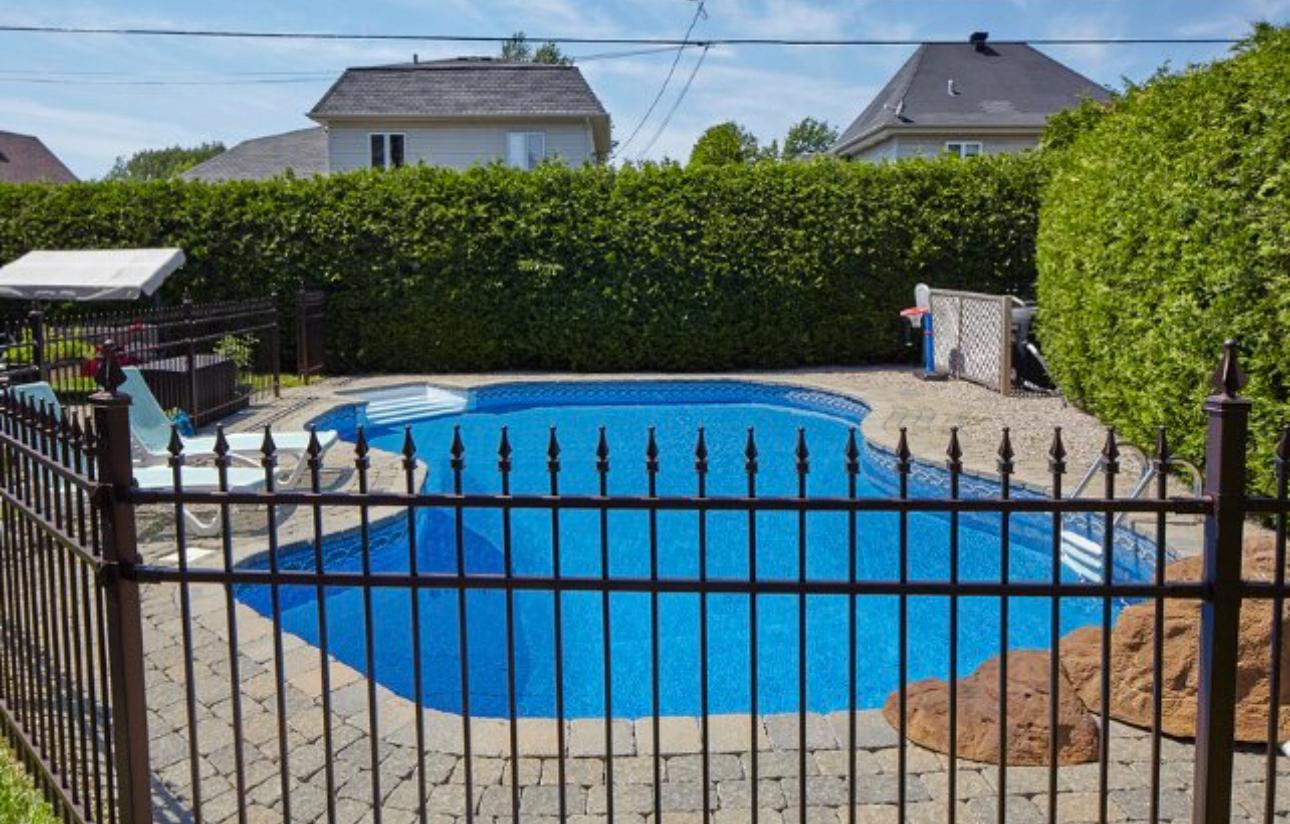
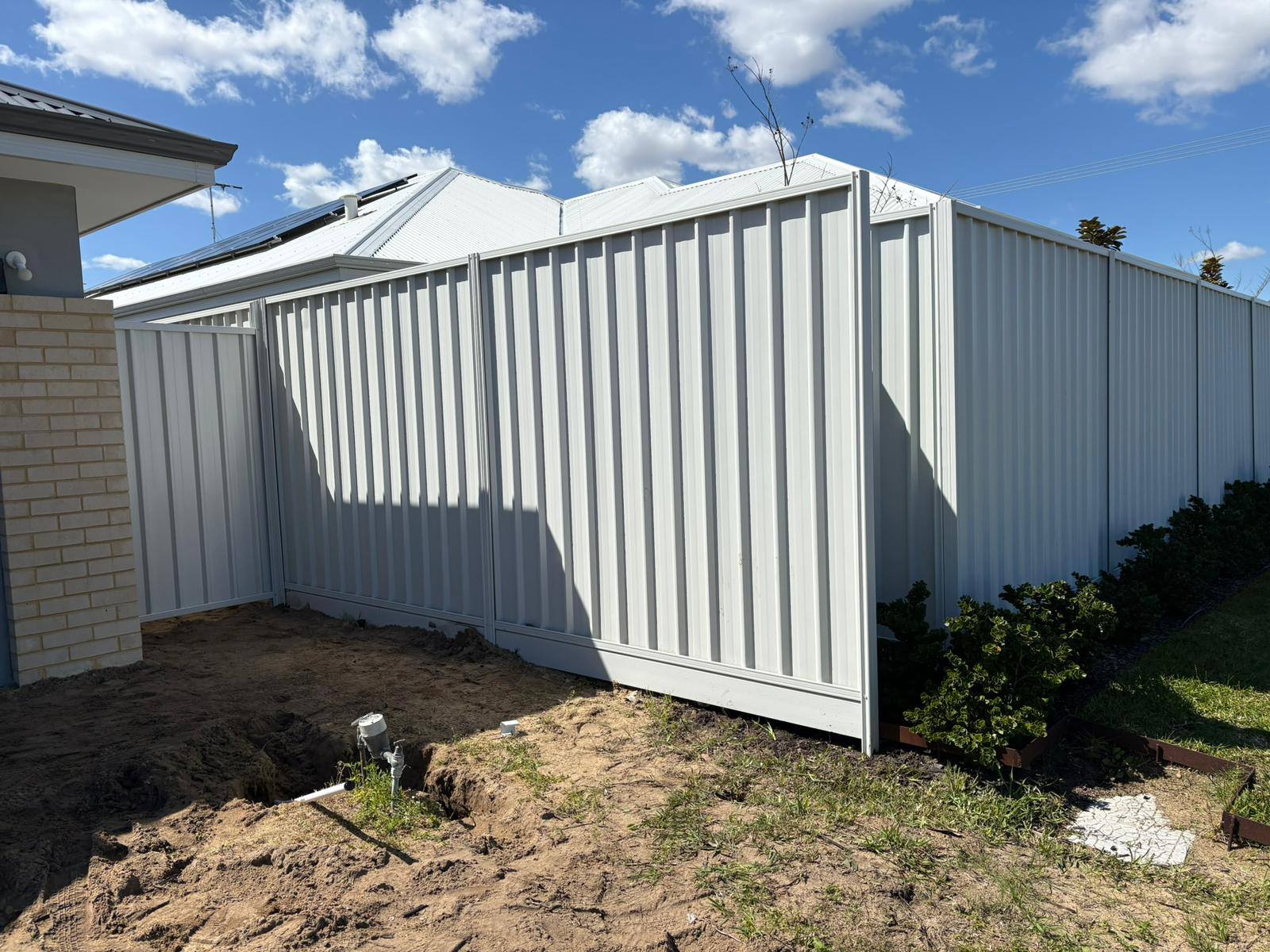
Everything You Need to Know About Colorbond Fencing

If you have spent any time researching fencing options in Perth you have almost certainly come across Colorbond steel fencing more than any other material. It is the fence you see along nearly every second boundary line across the suburbs and there is a clear reason for that. Colorbond fencing combines strength low maintenance and a clean modern appearance in a way that few other materials manage at a similar price point.

In short Colorbond fencing is a steel fencing product manufactured by BlueScope and finished with a durable painted coating designed specifically to withstand harsh Australian conditions including intense sun salt air and heavy rain. It resists termites does not rot warp or crack the way timber can and typically lasts twenty five years or more with almost no ongoing maintenance beyond an occasional wash down.

This guide covers everything worth knowing before choosing Colorbond for your own property. That includes how it is made why it performs so well in Perth’s climate the full range of colours and profiles available how it compares to timber and aluminium what installation actually involves how much it costs realistic maintenance expectations and the warranty protection that comes with a genuine Colorbond product. By the end you should have a complete and accurate picture rather than the surface level summary most fencing pages give you.

What Is Colorbond Steel

Colorbond steel is a branded and trademarked steel product manufactured in Australia by BlueScope one of the country’s largest steel manufacturers. According to BlueScope’s own history of the product Colorbond steel was first developed and introduced in 1966 and has been refined continuously since then to handle the specific demands of the Australian climate. It is not simply painted sheet metal in the way people sometimes assume. Genuine Colorbond steel goes through a multi stage manufacturing process involving a metallic coating followed by a specially formulated paint system that is baked onto the steel to create a finish that resists fading chalking and corrosion far better than standard painted metal products.

This is an important distinction to understand because the fencing market does contain cheaper imitation steel products that look similar to Colorbond at first glance but are not manufactured to the same specification and do not carry the same warranty backing. When you are comparing quotes it is worth confirming directly with your installer whether the product being quoted is genuine Colorbond steel from BlueScope or a generic alternative since the price difference between the two often reflects a real difference in longevity.

Why Colorbond Performs So Well in Perth’s Climate

Perth presents a genuinely demanding environment for outdoor building materials. Long stretches of intense UV exposure through summer very low rainfall for months at a time occasional heavy winter downpours and in coastal suburbs a constant low level of salt air all combine to put real stress on fencing materials over time. This is precisely the environment Colorbond steel was engineered to handle.

The UV stable paint finish used on Colorbond steel is specifically formulated to resist fading and chalking under prolonged sun exposure which is why a Colorbond fence installed today should still hold its colour reasonably well well over a decade from now compared to timber which visibly greys and weathers within just a few years without regular treatment. The steel core itself does not absorb moisture the way timber does which eliminates the risk of warping swelling or rot that affects wooden fencing during Perth’s occasional heavy rain events.

Termites are another significant factor specific to Western Australia where termite activity is common across many suburbs. Timber fencing is a genuine target for termite damage and even treated timber requires ongoing vigilance. Steel simply is not a food source for termites which removes this entire category of risk completely.

The Range of Colorbond Fencing Profiles and Styles

Colorbond fencing is not a single uniform product. It comes in several distinct profiles and styles which affects both appearance and price. The most common residential option is a flat sheet panel style which creates a clean uninterrupted surface along the fence line and suits most modern homes. There are also ribbed or corrugated profile options which add visual texture and can work particularly well on larger boundary runs or acreage style properties.

Fence height is also flexible with Colorbond commonly installed at standard boundary heights around 1.8 metres for typical residential privacy fencing though taller or shorter options are available depending on council requirements and personal preference. Gate options range from simple pedestrian access gates through to wider sliding or double swing gates for vehicle access, and all of these can be manufactured to match the surrounding fence panels for a fully consistent finished look.

You can see the specific Colorbond fencing options available through Fencing On A Budget on the Colorbond fencing page along with examples of completed installations in the gallery which gives a much clearer sense of how different profiles and colours actually look once installed rather than relying on a small colour swatch alone.

Colour Options and How to Choose the Right One

One of the most appealing aspects of Colorbond fencing is the extensive range of colours available which allows a fence to genuinely complement rather than clash with the rest of a property. The official Colorbond colour range spans everything from classic neutral tones through to deeper charcoal and woodland shades and BlueScope periodically refreshes this palette with new additions reflecting current design trends across Australian homes.

A few practical considerations are worth factoring into colour choice beyond simple aesthetic preference. Darker colours absorb more heat under direct sun which can mean a very slightly higher surface temperature during peak summer though this has minimal practical impact on the fence itself. Lighter colours tend to show dust and general surface marking less noticeably between cleans which can be a practical advantage for a low maintenance mindset. Matching or complementing your roof colour or garage door is also a common approach that creates a cohesive look across the whole property rather than the fence feeling like a separate unrelated element.

If you are unsure which colour suits your home best a good installer will often bring physical colour samples to your site visit since screen colours and printed brochures can look noticeably different once seen against your actual brickwork or render in natural outdoor light.

Colorbond Fencing Compared to Timber

Timber remains a popular fencing choice for its natural warm appearance and typically lower upfront cost but the comparison with Colorbond becomes more nuanced once you look past the initial price tag. Timber fencing including pinelap styles requires regular maintenance to stay in good condition including periodic staining or sealing to prevent cracking and fading particularly in Perth’s dry heat. Left untreated timber will grey weather and become more susceptible to splitting within just a few years.

Colorbond by comparison needs essentially no maintenance beyond an occasional rinse to remove dust and debris. Over a fifteen to twenty year ownership period the total cost of timber including materials for repeated maintenance and the shorter overall lifespan often ends up comparable to or higher than Colorbond despite the lower initial purchase price. Timber does still have a place for homeowners who specifically want the natural aesthetic and are comfortable with the ongoing upkeep and if that describes your preference our pinelap fencing page covers that option in more detail.

Colorbond Fencing Compared to Aluminium Slat Fencing

Aluminium slat fencing sits at a higher price point than Colorbond and offers a distinctly different aesthetic with individual vertical or horizontal slats rather than a continuous sheet surface. Both materials share the advantage of excellent corrosion resistance and minimal maintenance since neither rusts rots nor attracts termites.

The main practical differences come down to appearance privacy level and cost. Colorbond provides complete privacy with no gaps between panels while slat fencing typically allows some airflow and partial visibility depending on slat spacing which some homeowners prefer for a more open feel particularly around pool areas or feature sections of a front fence. Aluminium generally costs more per linear metre than Colorbond which is why many homeowners choose Colorbond for full boundary runs and reserve aluminium slat fencing for a feature section such as a front entry or pool surround. You can compare the specific options through our aluminium slat fencing page.

How Much Does Colorbond Fencing Cost

Colorbond fencing cost is influenced by several factors including fence height total length site conditions and whether gates are included. Generally speaking Colorbond sits in the low to mid range of fencing material costs per linear metre installed which is part of why it remains the most popular choice across Perth. It offers a genuinely strong balance between upfront affordability and long term value given how little maintenance it requires over its lifespan.

Site specific factors can shift the final price meaningfully. Sloping or uneven ground typically requires additional labour and sometimes stepped panel configurations which adds cost. Removal and disposal of an existing fence if one needs to come down first is another common addition. Gates particularly wider sliding gates for vehicle access also add to the total. Because of these variables getting an accurate figure really does require a proper site assessment rather than relying on a generic per metre estimate found online. You can request a free itemised quote through the get a free quote page which will give you an accurate figure based on your actual property rather than a rough average.

What Installation Actually Involves

Installing Colorbond fencing correctly follows a fairly specific process and understanding it helps you judge whether a contractor is doing the job properly. Posts are the foundation of the entire fence and are typically steel posts set into concrete footings dug to a depth appropriate for the fence height and local soil conditions. Perth’s sandy soil in many suburbs often requires deeper or wider footings than firmer clay based ground elsewhere to keep posts stable over time.

Once posts are set and the concrete has had adequate time to properly cure the Colorbond sheeting is fitted between posts using purpose made rails and fixings designed specifically for the product rather than generic hardware. Sheets are cut and fitted with attention to clean consistent edges and proper alignment along the entire fence run. Gates are fitted last including hinges and latching hardware and for any pool related sections this includes the specific self closing and self latching mechanisms required under Western Australian pool safety regulations.

Rushing the concrete curing stage before attaching panels is one of the most common shortcuts taken on lower quality installations and is a leading cause of posts shifting or leaning within the first year or two. This is worth asking about directly when comparing quotes since a contractor confident in their process will explain their footing depth and curing timeline without hesitation.

Colorbond Fencing and Pool Safety Compliance

Colorbond is also a common choice for pool safety fencing given its strength and clean appearance though pool applications carry specific legal requirements that go beyond standard boundary fencing. Under Western Australian regulations any private pool containing more than three hundred millimetres of water must have a compliant safety barrier at all times. That barrier must be at least 1.2 metres high and any gate must be self closing and self latching without requiring the user to manually secure it.

Full detail on these requirements is available through the WA Government’s official Rules for Pools and Spas guide which is worth reviewing directly if you are planning a pool fencing project. A properly installed Colorbond pool fence needs to meet specific gap and climbability requirements around the barrier in addition to the height and gate rules and a compliance inspection is typically required before a pool can legally hold water. You can find more detail on this specific application through our pool safety fence page.

If you are ready to see exactly what Colorbond fencing would cost and look like on your own property reach out through our get a free quote page and one of our team members will arrange a site visit and provide a clear itemised quote with no obligation.

Maintenance and Long Term Care

Part of what makes Colorbond so widely chosen is how little ongoing care it genuinely requires compared to alternatives. A simple hose down every few months to remove built up dust dirt and any salt residue in coastal areas is generally sufficient to keep the fence looking clean and maintain the integrity of the paint finish. There is no staining sealing or repainting required under normal conditions the way there is with timber fencing.

It is worth periodically checking gate hinges and latches to ensure they remain properly aligned and functioning smoothly since hardware components can loosen slightly over time with regular use particularly on frequently used gates. Keeping garden beds and mulch pulled back slightly from direct contact with the base of the fence also helps avoid trapped moisture against the panel over extended periods which is good general practice for any fencing material.

If a panel is ever damaged for example through impact from a fallen tree branch or vehicle contact individual sections can typically be replaced without needing to redo the entire fence provided the replacement panel is matched correctly to the existing colour and profile which is another practical advantage over some other fencing systems where damage often means replacing a larger continuous section.

Understanding the Colorbond Warranty

One of the genuine advantages of choosing authentic Colorbond steel over a generic alternative is the manufacturer backed warranty that comes with it. According to BlueScope’s own warranty information genuine Colorbond steel products are backed by warranties subject to specific application and eligibility criteria and the process for registering and activating a warranty is typically handled through your installer at the time of purchase. Full detail on how this works including the warranty management system is available directly through the official Colorbond warranty information page from BlueScope.

This is separate from and in addition to any workmanship warranty your installer provides which covers issues arising from the installation itself such as posts shifting or panels coming loose. A reputable local contractor should be able to clearly explain both the manufacturer warranty on the material itself and their own separate workmanship warranty on the installation work, and you should receive documentation covering both once your fence is complete.

Environmental and Sustainability Considerations

For homeowners weighing environmental factors alongside practical ones Colorbond steel has some genuine advantages worth knowing. Steel is fully recyclable at the end of its life which is a meaningful point of difference compared to some other fencing materials that end up in landfill once they reach the end of their usable lifespan. BlueScope has also published environmental product declarations for its Colorbond steel products which provide detailed data on the environmental impact of manufacturing covering the full lifecycle from raw material through to end of life recycling potential.

The exceptionally long service life of Colorbond fencing which commonly exceeds twenty five years also means fewer total resources consumed over time compared to materials that require replacement or extensive repair more frequently. For homeowners who factor sustainability into their purchasing decisions this combination of recyclability and genuine longevity is a meaningful consideration alongside the practical performance benefits already covered.

Common Questions and Misconceptions About Colorbond Fencing

A few misconceptions come up regularly when homeowners are researching Colorbond fencing and it is worth addressing them directly. Some assume steel fencing will feel cold or industrial in appearance but the wide colour range and clean panel finish means Colorbond suits everything from traditional brick homes through to contemporary architectural builds depending on the colour and profile chosen. Others assume steel fencing is noisy in wind but properly installed Colorbond with correctly fitted panels and rails is no noisier than any other solid fencing material under normal wind conditions.

There is also a common assumption that all steel fencing products are essentially equivalent regardless of brand which as covered earlier is not accurate. The specific coating technology and manufacturing process behind genuine Colorbond steel is what delivers its long term colour retention and corrosion resistance and generic alternatives without the same specification and warranty backing may not perform to the same standard over an equivalent timeframe.

How to Choose the Right Installer for Colorbond Fencing

Given how much the final result depends on correct installation choosing the right contractor matters just as much as choosing the right material. Look for a contractor who conducts a proper site visit before quoting rather than offering a fixed price over the phone without ever seeing your property. Ask specifically whether they use genuine Colorbond steel from BlueScope rather than a generic alternative and request confirmation of this in writing as part of your quote.

Ask about post depth and concrete curing time since this is where the biggest quality differences between installers tend to show up over time. Confirm what workmanship warranty is offered separately from the manufacturer warranty on the material itself. And where possible ask to see examples of completed Colorbond installations in your local area which our gallery page provides alongside more background on our approach through the about us page.

Frequently Asked Questions

How long does Colorbond fencing typically last?
Genuine Colorbond fencing commonly lasts twenty five years or more with minimal maintenance when properly installed. Its actual lifespan depends on installation quality environmental exposure and general care but it consistently outperforms timber fencing in longevity due to its resistance to rot termites and UV fading.

Does Colorbond fencing rust over time?
Genuine Colorbond steel is specifically engineered with a metallic coating and painted finish designed to resist corrosion and should not rust under normal conditions provided the surface coating is not deeply scratched or damaged exposing bare metal. Coastal properties with higher salt exposure benefit from regular rinsing to help maintain this resistance over the long term.

How much does Colorbond fencing cost compared to timber?
Colorbond generally sits in the low to mid range of fencing costs per linear metre installed which is often comparable to or only slightly higher than timber upfront. Once ongoing maintenance costs for timber such as staining and sealing are factored in over a fifteen to twenty year period Colorbond frequently works out as the more cost effective option overall.

Can Colorbond fencing be used for pool safety barriers?
Yes Colorbond is a common and compliant choice for pool fencing provided it meets the specific requirements under Western Australian regulations including a minimum height of 1.2 metres and self closing self latching gate hardware. A qualified installer familiar with these requirements should confirm your specific pool fence meets all applicable standards before a compliance inspection.

How much maintenance does Colorbond fencing actually need?
Very little. An occasional hose down every few months to remove dust and any salt buildup in coastal areas is generally sufficient to keep the fence in good condition. Unlike timber it does not require staining sealing or repainting under normal circumstances.

What is the difference between genuine Colorbond steel and cheaper steel fencing alternatives?
Genuine Colorbond steel is manufactured by BlueScope using a specific coating and paint process developed and refined over decades specifically for Australian conditions and comes with manufacturer backed warranty support. Generic steel fencing alternatives may look similar initially but are not manufactured to the same specification and typically do not carry the same warranty protection or long term colour and corrosion performance.

Can a damaged Colorbond panel be replaced individually rather than replacing the whole fence?
In most cases yes. Individual panels can typically be replaced provided the replacement is matched correctly to the existing colour and profile which is one of the practical advantages of the system compared to fencing types where damage often requires replacing a larger continuous section.

Is Colorbond fencing suitable for coastal Perth suburbs with salt air exposure?
Yes though coastal environments do place additional demands on any fencing material. Regular rinsing to remove salt residue helps maintain the coating’s performance over time and it is worth discussing your specific proximity to the coast with your installer since certain Colorbond product variants are specifically designed for higher corrosion environments.

Ready to Move Forward

Colorbond fencing has become the most widely chosen fencing material across Perth for good reason. It combines genuine durability against the specific demands of the local climate an extensive colour range to suit almost any home and remarkably low ongoing maintenance once installed correctly by an experienced local team.

If you are considering Colorbond fencing for your own property get in touch with the team at Fencing On A Budget today. We will walk you through the full range of colours and profiles available arrange a proper site assessment and provide a clear itemised quote so you know exactly what to expect before any work begins.

Why Hiring a Local Fence Contractor Makes a Difference

When you are comparing fencing quotes it is tempting to just go with whoever gives you the lowest number regardless of where they are based. But where a fencing company actually operates from matters more than most homeowners realise. A local contractor understands your specific soil conditions your council’s requirements and your climate in a way that a company operating out of a call centre in another state simply cannot. They are also the ones who will still be around if something needs fixing a year or two after installation.

In short hiring a local fence contractor makes a real difference because it affects site knowledge accountability response times material sourcing and how easily you can resolve a problem if one comes up. This is exactly why so many homeowners specifically search for local fence contractors in my area rather than simply picking the first result that comes up regardless of location.

A contractor based in your area has dealt with your council’s permit process before knows how your local soil behaves and has a physical presence you can hold accountable rather than a phone number that may not even be answered by the same company in a few months.

This guide walks through exactly why local matters in fencing specifically what you gain by choosing a contractor based near you and what questions to ask to confirm a company is genuinely local rather than just claiming to be.

What Local Actually Means in the Fencing Industry

Before going further it helps to define what local really means since plenty of companies advertise broadly without being genuinely local to your area. A truly local fencing contractor has a physical base of operations in or near your region employs crews who regularly work in your specific suburbs and has an established history of jobs completed in your local council area. This is different to a national franchise that simply lists your city among dozens of others it services from a distance or a lead generation website that collects your details and passes them on to whichever contractor happens to be available that week.

The distinction matters because genuine local presence is what drives every other advantage covered in this guide. Without it you are essentially trusting an unknown quantity with limited accountability to your specific area.

Local Knowledge of Soil and Ground Conditions

Ground conditions vary enormously even within a single city and this has a direct and significant impact on how a fence should be installed. Perth in particular has soil that ranges from soft loose sand in some suburbs to firmer clay based ground in others and this affects everything from post hole depth to how much concrete is needed for a stable footing. A contractor who works across your region regularly already knows these patterns before they even arrive at your property.

This local knowledge shows up in practical ways. A crew that has installed dozens of fences in sandy coastal suburbs knows to dig deeper footings and use appropriate concrete mixes to prevent posts from shifting over time. A contractor unfamiliar with your area may apply a generic approach that works fine in firmer soil elsewhere but leads to leaning posts within a year on your property. This is one of the clearest ways that local experience translates directly into a fence that actually lasts.

Understanding Local Council Requirements

Every council area in Western Australia has its own specific rules around fence height boundary setbacks and pool safety compliance and these rules genuinely differ from one local government area to the next. A contractor who regularly works within your council’s jurisdiction already knows what is required for a permit application what inspections are likely to be requested and how long approvals typically take in your specific area.

This matters enormously for projects involving pool safety fencing in particular. Western Australian regulations require all private pools containing more than three hundred millimetres of water to have a compliant safety barrier and the specific inspection process can vary depending on which local council is involved. A contractor unfamiliar with your council may guess at requirements or simply fail to mention a step that your specific area requires which can delay your project or create compliance issues later. Full detail on the state level requirements is available through the WA Government’s official Rules for Pools and Spas guide which any experienced pool fencing installer in your area should already be familiar with.

A local contractor also tends to have an existing working relationship with council staff built over years of submitting applications in the same area which often means faster processing and fewer back and forth delays compared to a company navigating an unfamiliar council for the first time.

Faster Response Times and Genuine Accountability

One of the most practical advantages of hiring local is simply how quickly a contractor can respond both during the quoting process and afterward if something needs attention. A local company can typically schedule a site visit within days rather than weeks since they are not travelling long distances or juggling jobs spread across an entire state. This speed carries through to the actual installation as well since a local crew is not losing hours each day commuting to and from a distant job site.

Accountability is where the difference becomes even more significant. If an issue arises after installation such as a post settling unevenly or a gate needing adjustment a local contractor with an established physical presence in your area is straightforward to contact and has a clear incentive to maintain their reputation within the community they actually operate in. A company with no genuine local base is far easier to lose track of and far harder to hold to any warranty promise once the invoice has been paid.

This is also where checking for a genuine business address and an ABN registered to your state becomes a practical step worth taking before committing to any quote. A company that is vague about where it is actually based or unwilling to provide a physical address is a signal worth taking seriously.

Supporting the Local Economy and Community

There is also a broader benefit to hiring local that goes beyond your individual project. Money spent with a local fencing business tends to circulate back into your own community rather than flowing out to a distant head office. Local contractors often source materials from local suppliers employ tradespeople who live in the same region and contribute to the local economy in ways that a national call centre operation generally does not.

For many homeowners this is a genuine factor in their decision alongside the practical advantages already covered. Choosing a company with real roots in your area means your fencing budget is supporting local jobs and local business relationships rather than disappearing into a distant corporate structure.

Better Communication and a More Personal Service

Working with a local contractor typically means dealing with the same people throughout your entire project rather than being passed between a call centre booking team and a separate installation crew who have never spoken to each other. This continuity makes a noticeable difference to how smoothly a project runs since the person who quoted your job actually understands the site conditions and any specific requests you made during that initial conversation.

Local businesses also tend to rely heavily on word of mouth and repeat business within their community which creates a strong incentive to communicate clearly and resolve any concerns quickly rather than treating your job as one of thousands processed anonymously. If you have ever dealt with a large national service provider where every phone call starts from scratch with someone new you will understand exactly why this continuity matters in practice.

Material Sourcing and Supply Chain Advantages

Local contractors often maintain established relationships with local material suppliers which can translate into both cost savings and faster turnaround on your project. A contractor who regularly orders Colorbond sheeting timber or aluminium fencing components from the same local supplier can frequently source materials faster than a company ordering from further afield or waiting on centralised stock from an interstate warehouse.

This local supply relationship also means a contractor is more likely to have direct knowledge of which specific products perform well in your climate. Perth’s intense summer sun and occasional heavy winter rain both place specific demands on fencing materials and a contractor who has watched how different products hold up locally over several years is in a far better position to recommend the right option than one working from generic manufacturer specifications alone. You can see the full range of fencing and cladding options available through the services page.

Reviews and Reputation You Can Actually Verify

When a contractor is genuinely local you have a real ability to verify their reputation rather than relying purely on online reviews that can sometimes be difficult to authenticate. You may know someone in your own suburb who has used the same company or you can drive past a completed job in your local area to see the actual quality of finished work firsthand. This kind of verification is simply not available with a company operating from outside your region.

Local reputation also tends to be self reinforcing in a positive way. A local contractor who does poor quality work quickly develops a reputation within their own community that affects future business which creates a strong ongoing incentive to maintain quality on every single job rather than treating each project as an isolated transaction with no lasting consequence.

Questions to Ask to Confirm a Contractor Is Genuinely Local

Given how much these advantages depend on a contractor actually being local rather than simply claiming to service your area it is worth asking a few direct questions before committing to a quote. Ask where the company’s physical business address is located and whether that address is in your state. Ask how many jobs they have completed specifically in your suburb or local council area. Ask whether the crew who attends your site visit is the same crew who will complete the installation. And ask directly how quickly they can respond if an issue comes up after the job is finished.

A genuinely local contractor will answer these questions clearly and confidently since the answers reflect their actual day to day operation. A company stretching the truth about their local presence will often become vague or redirect the conversation when asked for specifics.

What This Means for Your Fencing Project

Bringing all of this together the case for hiring local comes down to a simple practical reality. A contractor who genuinely operates in your area brings direct knowledge of your soil conditions and council requirements responds faster both during quoting and afterward if a problem arises and is far easier to hold accountable through an established physical presence in your community. These are not abstract benefits since they directly affect how long your fence lasts how smoothly your project runs and how easily any issue gets resolved.

If you are currently comparing fencing quotes it is worth weighing genuine local presence as heavily as price itself since the two are often more connected than they first appear. Searching specifically for local fence contractors in my area rather than a generic national provider is one of the simplest ways to filter out companies with no real accountability to your suburb from the very start.

A lower quote from a company with no real local accountability can end up costing more in the long run if problems arise that nobody is available to properly address.

If you want a fencing team that genuinely knows Perth soil conditions and local council requirements inside and out get in touch with Fencing On A Budget today for a free on site quote and see the difference local experience makes from the very first conversation.

Frequently Asked Questions

Does hiring a local fence contractor actually cost more than a national company?
Not necessarily. Local contractors often have lower overheads than large national operations and established relationships with local suppliers which can offset any perceived price advantage from a bigger company. The real cost difference usually shows up later in how well the fence holds up rather than in the initial quote itself.

How do I know if a fencing company is genuinely local or just claims to service my area?
Ask directly for their physical business address and confirm it is registered in your state. You can also ask how many completed jobs they have in your specific suburb or council area and whether you can see examples of that work. A genuinely local company will answer these questions easily and without hesitation.

Why does local council knowledge matter for a fence installation?
Fence height boundary setback and pool safety requirements vary between local council areas in Western Australia. A contractor who regularly works within your specific council already understands the permit process and inspection requirements which reduces delays and the risk of compliance issues later.

Will a local contractor respond faster if something goes wrong after installation?
Generally yes. A company with an established local presence has both the practical ability to reach your property quickly and a strong incentive to maintain their reputation within the community they actually operate in. This tends to result in faster and more reliable follow up compared to a company with no genuine local base.

Does soil type really affect how a fence should be installed?
Yes significantly. Post depth and concrete footing requirements differ depending on whether the ground is soft sand or firmer clay based soil and Perth has considerable variation between suburbs. A contractor experienced in your specific area already understands these differences before work begins rather than applying a generic approach that may not hold up long term.

Is it worth paying slightly more for a local contractor over a cheaper interstate option?
For most homeowners yes since the accountability and local knowledge a genuine local contractor provides tends to reduce the risk of costly problems later. A cheaper quote from a company with no real local presence can end up costing more overall if issues arise after the job is completed with no easy way to resolve them.

What should I do if a fencing company is vague about where they are actually based?
Treat this as a warning sign and ask directly for their physical business address and ABN registration details. A company unwilling to provide clear answers about their local presence is worth comparing carefully against other quotes before making a decision.

Ready to work with a team that actually knows your local area rather than treating your job as just another number.

For a free quote and speak directly with a local team who understands Perth conditions councils and climate from years of hands on experience in the area.

What to Expect During a Professional Fence Installation

If you have never had a fence installed before the process can feel like a mystery. You get a quote a date is set and then a crew shows up with tools and materials. But what actually happens between the first phone call and the finished fence standing in your yard. Understanding the full installation process helps you know what a quality job looks like what questions to ask and where problems tend to creep in when a company cuts corners.

In short a professional fence installation in Perth typically follows several clear stages. These are an initial site assessment and quote a boundary check and material selection any required permit or neighbour notification proper site preparation the physical installation of posts and panels a final inspection and cleanup and a workmanship warranty that covers you after the crew leaves. Knowing what happens at each stage means you can spot the difference between a contractor doing the job properly and one rushing through it to move on to the next quote.

This guide walks through the entire process from the moment you first contact a fencing company through to the weeks after installation so you know exactly what a proper job involves and what to expect at every point along the way.

The Initial Enquiry and Site Assessment

Every legitimate fencing project starts with an assessment rather than a phone quote based on guesswork. When you contact a company like Fencing On A Budget a good installer will ask about the length of fencing required the type of property whether it borders a neighbour a road or open land and what the fence needs to achieve. Is it a boundary fence a pool safety barrier or a decorative front fence. These answers shape everything that follows.

A proper site visit is where the real work begins. A technician or estimator walks the property to check the ground conditions since Perth soil varies from soft sand to compacted clay depending on the suburb and this affects how deep post footings need to be set. They will look at slope across the site because uneven ground often needs stepped panels or graduated post heights rather than a flat design. They check for existing structures retaining walls trees and underground services such as power or water lines that could interfere with digging. This is also when access is assessed since a narrow side gate or a steep driveway can change how materials are brought onto site and may affect labour time.

A contractor who skips this step and offers a fixed price over the phone without ever seeing your property is one of the clearest signs of a company more interested in volume than accuracy. Ground conditions alone can shift a quote significantly once real digging begins so a proper site assessment protects both you and the installer from unpleasant surprises later. It is also the point where a good installer will ask about your priorities directly. Are you mainly focused on price durability privacy or appearance. A fence built for a rental property has different priorities to one built around a family home with young children or pets and a thoughtful installer will factor this into their recommendation rather than offering a single default option to everyone.

Boundary Confirmation and Material Selection

Before any fence goes up its exact position needs to be confirmed. For boundary fencing this usually means checking survey pegs or existing fence lines against council records. Getting this wrong is more than a minor inconvenience since a fence built even slightly over a boundary line can lead to disputes with neighbours or costly relocation later. A professional installer will either confirm the existing line is accurate or recommend a licensed survey if there is any doubt particularly on older properties where boundaries were never clearly marked.

Once the boundary is confirmed material selection comes next. This is where your budget climate and purpose all come into play. Colorbond steel remains the most requested option across Perth because it resists termites does not rot in the heat and needs almost no upkeep once installed. Timber including pinelap style fencing gives a warmer natural look at a lower upfront cost but requires more attention over time to prevent cracking and fading in Perth’s dry summers. Aluminium slat fencing is often chosen for feature fences or pool surrounds where a modern finish matters and long term durability is worth the higher price point. If the project involves a pool then material and design choices are shaped heavily by safety compliance rather than aesthetics alone which is covered in more detail below.

A good installer will walk you through these trade offs honestly rather than pushing whichever material carries the best margin. Colour selection also matters more than people expect since darker Colorbond tones absorb more heat and can expand slightly more across a hot Perth summer which experienced installers account for when spacing panels. If you want a deeper breakdown of how each material compares on cost and lifespan the Colorbond fencing guide and the pinelap fencing overview go into far more detail than a single quote conversation usually allows.

Permits Approvals and Neighbour Notification

Not every fence needs council approval but plenty do and this is a step some cheaper operators quietly skip. In Western Australia permit requirements generally depend on the fence height its location relative to the street and whether it is a pool barrier. Front boundary fences above a certain height often need approval and any new or modified pool fence requires compliance with strict safety standards before water can go anywhere near the pool.

If you are sharing the cost of a boundary fence with a neighbour under the Dividing Fences Act there is also a formal notification process that should ideally happen before work starts rather than after. This generally involves providing written notice outlining the type of fence proposed and an estimated cost so your neighbour has a fair opportunity to respond before any digging begins. Skipping this step does not just risk a disagreement over money. It can also create a legal headache later if the fence is built without proper agreement in place.

A professional installer who has done this work in your local area will usually know which council requires what and can guide you through it rather than leaving you to figure it out alone after receiving a stop work notice. If you are unsure what applies to your property your local council building department is the most reliable place to confirm requirements before signing a contract.

Preparing the Site Before Installation Day

Once a quote is accepted and any permits are sorted there is usually a preparation phase before the crew arrives with materials. If an old fence is being removed this typically happens first including disposal which should be clearly listed in your quote rather than added as a surprise charge afterward. The ground along the fence line is then marked out often with string lines and pegs to guide exact post placement.

Underground services are checked again immediately before digging begins even if they were noted during the original site visit since plans can be outdated or additional work may have occurred on the property since. This is a step worth asking about directly if a contractor has not mentioned it because digging into a power or water line is expensive dangerous and entirely avoidable with proper checks.

This is also a good time to think practically about your own property. Moving vehicles away from the work area trimming back overgrown garden beds along the fence line and letting pets stay indoors or elsewhere during the job all help the crew work efficiently and safely. A good installer will usually mention any preparation expected from you during the initial booking rather than leaving you to guess on the morning of the job.

Installation Day What Actually Happens

This is the part most people picture when they think about fence installation but there is more structure to it than simply putting up panels. Posts go in first and this is genuinely the most important part of the entire job. Holes are dug to a depth appropriate for the fence height and local soil conditions with Perth’s sandy ground often requiring deeper or wider footings than firmer clay based soils elsewhere. Posts are then set in concrete and left to cure before panels are attached. This curing time matters because rushing this step is one of the most common ways corners get cut on cheaper jobs leading to leaning or shifting posts within a year or two.

Once posts are properly set panels or infill sections go up next whether that is Colorbond sheeting timber palings aluminium slats or pool safety mesh. Spacing and alignment are checked continuously throughout this stage rather than only at the end since small errors early in a long fence run compound quickly if left uncorrected. Experienced crews will regularly check panels against a level and string line as they move along the fence rather than eyeballing the run and correcting mistakes only once the whole section is finished.

Gates are fitted last and this includes hardware such as hinges latches and for pool fencing the mandatory self closing and self latching mechanisms required under Western Australian law. Gate installation is often where the biggest quality differences show up between contractors since a gate that is even slightly out of alignment will sag or bind within months. A properly hung gate should swing freely close fully under its own weight where required and latch without needing to be forced or lifted into place.

Timeframes vary depending on fence length material and site complexity but a standard residential boundary fence of moderate length is often completed within one to three days once posts have had adequate time to cure. Larger properties more complex terrain or extensive gate work can extend this. Weather also plays a role since concrete curing and steel handling are both affected by heavy rain which is worth factoring into your expectations if your installation falls during Perth’s wetter months. A reliable contractor will communicate proactively if weather is likely to delay any stage of the job rather than leaving you wondering why the crew has not shown up.

Tools Equipment and Techniques Used

Understanding what equipment a professional crew brings can also help you judge the quality of a job. Post hole digging is usually done with a mechanical auger rather than entirely by hand particularly for longer fence runs since this ensures consistent hole depth and diameter along the entire line. Quick setting or standard concrete mixes are used depending on the soil type and how soon panels need to go on with proper crews allowing adequate time between setting posts and attaching panels regardless of how tight the schedule might be.

Levels and string lines are used continuously throughout the job rather than only at the start to keep both height and alignment consistent across the full length of the fence. For Colorbond installation specific cutting and crimping tools are used to ensure clean edges and a secure fit between sheets rather than relying on overlap alone. Pool fencing installation often involves specific tension and mesh fitting tools to meet the exacting gap and height tolerances required under Australian Standard AS 1926.1.

A crew that arrives with proper equipment rather than improvising with basic hand tools is generally a strong sign of an established and experienced operation rather than a casual or inexperienced team taking on more work than they can properly manage.

Pool Fencing Has Its Own Installation Standards

If your project involves a pool the installation process carries extra weight because this is not simply a matter of preference but of legal compliance. Under Western Australian regulations all private pools containing more than three hundred millimetres of water must have a compliant safety barrier at all times. That barrier must be at least one point two metres high and gates must close and latch automatically without needing to be manually secured. Full detail on these requirements including barrier placement and gate mechanisms is laid out in the state government’s Rules for Pools and Spas guide which is worth reviewing before finalising any pool fencing project.

A professional installer working on pool fencing should be familiar with these standards without needing to be prompted and should be able to explain exactly how your gate and barrier will meet them. Details such as the gap under the fence the climbability of horizontal rails and the exact placement of the latch release mechanism all matter and are commonly checked during compliance inspections. This is also an area where a completed installation often needs a formal compliance inspection before the pool can legally hold water so ask your contractor whether this is arranged as part of the job or left for you to organise separately with your local council.

Common Mistakes That Cause Problems Later

A number of issues tend to show up repeatedly on fences that were installed poorly and most of them trace back to the same handful of shortcuts. Posts set too shallow or in undersized concrete footings are the single biggest cause of leaning or shifting fences particularly in the sandy soils common across much of Perth. Panels attached before concrete has properly cured can shift the posts out of alignment before the footing has a chance to fully set which locks in a crooked fence line from day one.

Poor gate alignment is another common issue and often traces back to rushed hardware installation or hinges not properly reinforced into the post itself. Inconsistent panel spacing usually points to a crew working without consistent string lines or levels throughout the job rather than only checking alignment at the very end. And skipped underground service checks occasionally lead to damaged cables or pipes which is both a safety risk and an expensive problem to fix after the fact.

Knowing these common failure points gives you a much clearer picture of what to ask about and what to watch for during your own installation rather than only discovering these issues after the fact.

Final Inspection and Cleanup

A proper installation does not end the moment the last panel goes up. A thorough contractor walks the completed fence line checking that posts are plumb panels are secure gates swing and latch correctly and nothing has been left loose or unfinished. Any offcuts packaging or old fencing material removed during the job should be cleared from the site rather than left for the homeowner to deal with.

This final walkthrough is also your opportunity to raise anything that does not look right while the crew is still on site rather than discovering an issue weeks later. A company confident in its work will welcome this check rather than rush to leave before you have looked closely. It is worth taking your time here rather than feeling pressured to sign off quickly since this is genuinely your last easy opportunity to have something adjusted before the crew packs up and moves to the next job.

Warranty and What Happens After the Crew Leaves

Once installation is complete you should receive documentation covering what has been done and what is guaranteed. A genuine workmanship warranty is one of the clearest signs of a company that stands behind its work rather than one purely competing on the lowest quote. This is separate from any manufacturer warranty on materials like Colorbond steel and covers issues arising from the installation itself such as posts moving or panels coming loose.

If problems do arise later a company with a proper warranty and a fixed business presence in your area will be far easier to hold accountable than one that only exists as a listing on a quote comparison site. This is one of the biggest practical advantages of choosing a local established fencing company over the cheapest unfamiliar option that turns up in a search. In the weeks after installation it is also worth keeping an eye on how the fence settles particularly after the first significant rainfall since this is a natural point where any underlying issue with post depth or footing quality tends to reveal itself early enough to still be covered under warranty.

What Separates a Quality Installation From a Rushed One

Looking back across the entire process a few things consistently separate a fence that lasts fifteen or twenty years from one that starts showing problems within a couple of years. Post depth and proper concrete curing time are the single biggest factors since shortcuts here are invisible on installation day and expensive later. Accurate boundary confirmation prevents disputes and potential legal costs down the track. Honest material advice matched to your actual site and climate rather than whatever is easiest to install saves money over the life of the fence even if it costs slightly more upfront. Consistent use of levels and string lines throughout the job rather than only at the start keeps the entire fence line straight rather than gradually drifting over a long run. And a documented workmanship warranty gives you real recourse if something does go wrong rather than leaving you to cover repairs entirely on your own.

If you are comparing quotes for your own project these are the questions worth asking directly. How deep will posts be set and what is the curing time before panels go on. Is a site visit included before the quote is finalised. What warranty covers the workmanship separately from the materials. Has this company handled fencing on properties with similar soil conditions to yours. And who is responsible for arranging any required permits or compliance inspections. A contractor who answers these clearly and without hesitation is generally one worth trusting with the job.

Frequently Asked Questions

How long does a professional fence installation take.
A standard residential boundary fence typically takes between one and three days depending on length material and site conditions. Post curing time is a key factor since panels should not be attached until concrete footings have had adequate time to set properly which can extend the overall timeline slightly on larger jobs.

Do I need council approval to install a fence in Perth.
It depends on the fence type height and location. Front boundary fences above certain heights and all pool safety barriers generally require approval or must meet specific building regulations. Checking with your local council before work begins is the safest way to confirm what applies to your specific property.

What happens if my fence installation crosses onto my neighbour’s property.
This is exactly why boundary confirmation happens before installation begins. A professional installer will check existing survey markers or fence lines and recommend a licensed survey if there is any uncertainty since building over a boundary line can lead to disputes or forced relocation of the fence later.

Is pool fencing installation different from standard fencing.
Yes significantly. Pool safety barriers in Western Australia must meet strict legal requirements including a minimum height of one point two metres and gates that close and latch automatically. These requirements affect both the design and the installation process and are worth understanding fully before starting a pool fencing project.

What should be included in a fencing installation quote.
A proper quote should include site assessment materials labour post depth and concrete work gate hardware removal and disposal of any old fencing and details of the workmanship warranty. A quote that is a single total figure with no breakdown makes it difficult to know exactly what you are paying for.

Can I be present during the installation.
Yes and it is often a good idea particularly for the final walkthrough. Being available when posts are set and again at completion gives you the chance to confirm placement and raise any concerns while the crew is still on site rather than after the job is finished.

How soon after installation can I lean on or use the fence normally.
Concrete footings generally need time to properly cure before the fence takes any real load such as a gate being used frequently or panels being leaned on. Your installer should tell you the specific timeframe for your job but a few days of light use is a reasonable general expectation before treating the fence as fully settled.

What is the difference between a manufacturer warranty and a workmanship warranty.
A manufacturer warranty covers defects in the material itself such as a Colorbond panel corroding prematurely and is provided by the product manufacturer. A workmanship warranty is provided by the installer and covers issues caused by the installation itself such as posts moving or panels coming loose. A reputable contractor should be able to explain both clearly and provide documentation for each.

Ready to Get Started

Understanding what a proper fence installation actually involves makes it much easier to compare quotes and spot a contractor who takes the process seriously. If you are planning a new fence pool barrier or boundary replacement in Perth the team at Fencing On A Budget can walk you through a full site assessment and provide an itemised quote before any work begins.

And see exactly what a properly planned installation looks like from the first site visit through to the finished fence.

How to Find Affordable Fencing Without Compromising on Quality

If you’ve searched for “affordable fencing near me,” you’ve probably noticed the same problem everyone else runs into: the cheapest quote is rarely the best value, and the most expensive one isn’t always the highest quality. The good news is that affordable fencing and quality fencing aren’t opposites. With the right knowledge, you can get a fence that looks great, meets safety standards, and holds up for 15–20+ years – without paying a premium you don’t need to.

This guide breaks down exactly how fencing pricing works in Perth, what actually drives cost up or down, how to compare materials like Colorbond, timber, and aluminium, and how to vet a contractor so you don’t end up re-fencing your property in five years.

Quick answer: Affordable fencing without compromising quality comes down to three things: choosing the right material for your site and budget, getting itemised (not vague) quotes from licensed local contractors and checking workmanship warranties before price. A mid-range Colorbond fence installed by a reputable local team is almost always cheaper over its lifetime than a bargain fence that needs repairs or replacement within a decade.

What “Affordable” Actually Means in Fencing

“Affordable” doesn’t mean the lowest number on a quote, it means the lowest total cost of ownership for a fence that does its job properly. A fence that costs 20% less upfront but needs a panel replaced every two years, or fails a pool safety inspection, isn’t actually cheaper. It’s just cheaper today.

Real affordability comes from three levers working together:

  • Material choice matched to your climate, soil, and purpose
  • Installation quality – correct post depth, spacing, and bracing
  • Contractor reliability – someone who stands behind the work

When these three align, you get a fence that costs a fair price once and doesn’t need attention again for over a decade.

What Drives Fencing Costs Up or Down

Understanding the cost breakdown helps you spot where you can genuinely save — and where cutting corners will cost you later.

Factors that increase cost:

  • Sloping or rocky sites (more labour, custom post work)
  • Longer fence runs and taller heights
  • Premium materials (powder-coated aluminium, hardwood timber)
  • Gates, especially automated or pool-compliant self-closing gates
  • Removal and disposal of an old fence
  • Council permits, which some Perth fencing jobs require depending on height and boundary location

Factors that lower cost without lowering quality:

  • Choosing a standard Colorbond colour over a custom order
  • Bundling a larger job with one contractor instead of multiple smaller jobs
  • Booking during a contractor’s quieter season (typically mid-winter in WA)
  • Using a simpler post-and-panel design rather than elaborate detailing
  • Getting 2–3 itemised quotes and negotiating on scope, not just price

A useful rule of thumb: labour typically makes up 40–60% of a fencing quote. This is exactly why the cheapest quote often skips steps — shallower post holes, thinner concrete footings, or fewer bracing points — to hit a lower number. Those shortcuts are invisible on installation day and expensive two years later.

Comparing Fencing Materials by Cost and Durability

Here’s how the most common fencing types stack up when you weigh upfront cost against lifespan and maintenance.

Colorbond Fencing
Colorbond steel is currently the most popular fencing choice across Perth, and for good reason — it offers a strong balance of upfront affordability and long-term durability. It resists termites, doesn’t rot, handles WA’s harsh sun without warping, and needs almost zero maintenance beyond an occasional hose-down. If you want a fence you can “install and forget,” this is usually the best value option.

Timber Fencing (including Pinelap)
Timber, including pinelap styles, is often the cheapest option upfront and gives a natural, classic look. The trade-off is maintenance: timber needs periodic staining or sealing, is more vulnerable to termites and weathering in Perth’s dry heat, and generally has a shorter lifespan than steel or aluminium unless well maintained.

Aluminium Slat Fencing
Aluminium sits at a higher price point but offers excellent longevity, a modern aesthetic, and zero rust or rot issues — ideal for feature fences, pool surrounds, or front boundaries where street appeal matters. It costs more per metre than Colorbond but needs even less maintenance over its life.

Pool Safety Fencing
This category isn’t optional-cost fencing, it’s compliance fencing. Under Western Australian regulations, all private swimming pools with water deeper than 300mm must have a compliant safety barrier, and the fence must be a minimum height of 1.2 metres with self-closing, self-latching gates. Because non-compliance can mean failed inspections or fines, this is one area where the cheapest option is a false economy, a barrier that fails inspection means paying twice. Full requirements are detailed in the WA Government’s Rules for Pools and Spas guide. swek

MaterialUpfront CostMaintenanceTypical LifespanBest For
ColorbondLow–MediumVery Low25+ yearsBoundary fencing, most homes
Timber/PinelapLowMedium–High10–15 yearsBudget projects, rustic look
Aluminium SlatMedium–HighVery Low25+ yearsFeature fences, pools, modern homes
Pool Safety FencingMediumLow15–20 yearsLegal pool compliance

How to Get Genuine Value (Not Just a Low Price)

  • Get 3 itemised quotes. A vague one-line “fencing job: $X” quote hides where costs are being cut. Ask for a breakdown of materials, labour, post depth/spacing, and disposal.
  • Ask about post footing depth. In Perth’s sandy soils, posts need adequate concrete footing depth to stay upright through wind and ground movement. Shallow footings are a common shortcut on “bargain” jobs.
  • Compare warranty terms, not just price. A fence $200 cheaper but with no workmanship warranty is a worse deal than one with a 5–10 year guarantee.
  • Bundle work where possible. If you need a new fence and gate, or fencing across multiple boundaries, doing it in one job usually reduces the per-metre rate.
  • Time your project. Like most trades, fencing contractors in WA are often less booked out in winter, which can mean better rates and faster scheduling.

Red Flags That Signal Poor-Quality Fencing or Installers

Watch for these warning signs before you commit:

  • No fixed business address or ABN, or reluctance to provide references
  • Quotes with no breakdown – just a single total figure
  • Pressure to pay the full amount upfront before any work starts
  • No mention of post depth, concrete footing, or bracing method
  • No workmanship warranty offered, or a warranty under 12 months
  • Reviews that mention posts leaning or panels warping within a year or two

If a contractor can’t clearly explain how they’ll install your fence – not just what it’ll cost – treat that as a signal to get another quote.

Questions to Ask Before You Sign a Quote

  1. Are you licensed and insured for fencing work in WA?
  2. What’s included in this quote — materials, labour, disposal of old fencing, gates?
  3. How deep will the posts be set, and what’s the footing method?
  4. What warranty do you offer on materials and on workmanship separately?
  5. Do I need a council permit for this fence, and is that included in your service?
  6. Can I see photos or references from similar jobs in my suburb?
  7. What’s your timeline, and what happens if weather delays the job?

Asking these questions upfront weeds out contractors who are only competing on price and rewards those who are confident in their process.

DIY vs Professional Installation: The Real Cost Comparison

DIY fencing kits can look tempting on price, but the real cost comparison isn’t just materials , it’s tools, time, and risk. Concrete mixing equipment, post hole diggers or augers, levels, and cutting tools add up fast if you don’t already own them. Get a post spacing or alignment wrong, and you’re either living with a crooked fence or paying a professional to fix it , which usually costs more than if they’d installed it correctly the first time.

Professional installation also typically comes with a workmanship warranty, which a DIY job never has. For boundary and pool fencing especially, where compliance and structural integrity matter, professional installation is almost always the better-value choice once you account for the full picture.

Long-Term Savings: Maintenance, Warranties, and Lifespan

The cheapest fence over 15 years is rarely the cheapest fence on day one. Here’s how to think about total cost:

  • Colorbond and aluminium need minimal upkeep, occasional cleaning is usually enough – which keeps lifetime costs low despite a higher material price than timber.
  • Timber requires resealing or staining every 1–3 years in WA’s climate to prevent cracking and fading, and this maintenance cost adds up over a decade.
  • Warranties matter more than people think. A 10-year workmanship warranty means any installation fault is fixed for free – a bargain installer with no warranty leaves you covering any future repair entirely out of pocket.

Local Considerations for Perth Properties

Perth’s climate and soil bring a few fencing-specific factors worth knowing:

  • Sandy soils common across Perth suburbs mean post footing depth and concrete quality matter more than in clay-heavy regions; shallow-set posts are more prone to leaning.
  • UV exposure is intense for most of the year, which is part of why Colorbond and aluminium (both UV-stable) tend to outperform untreated timber long-term.
  • Council rules on fence height, especially street-facing boundaries, vary by local government area, it’s worth checking with your local council or asking your contractor to confirm before installation.
  • Pool fencing compliance is inspected by local government, and barriers must meet the WA Building Regulations 2012 and AS 1926.1 standard at all times, not just at installation – a compliant contractor should be able to explain this without prompting.

Frequently Asked Questions

How much does an affordable fence cost per metre in Perth?
Colorbond fencing typically runs on the lower-to-mid end of the cost range per linear metre installed, timber/pinelap is usually the cheapest upfront option, and aluminium slat fencing sits higher due to material and finishing costs. Exact pricing depends on site conditions, height, and gate inclusions, which is why an on-site quote gives a far more accurate figure than a generic price list.

Is Colorbond fencing cheaper than timber in the long run?
Yes, in most cases. Timber has a lower purchase price but requires ongoing maintenance (staining, sealing, repairs) and a shorter typical lifespan, while Colorbond needs almost no upkeep and lasts significantly longer — which usually makes it the more affordable option over a 15–20 year period.

Do I need a permit to install a fence in Perth?
It depends on the fence height, type, and location — particularly for pool fencing and front boundary fences over a certain height. Your local council can confirm requirements, and a reputable contractor should be able to tell you whether your project needs one before work starts.

What height must a pool fence be in Western Australia?
Under WA regulations, pool safety barriers must be at least 1.2 metres high, with gates that are self-closing and self-latching. Full detail is available in the WA Government’s official Rules for Pools and Spas guide. swek

How do I know if a fencing quote is genuinely affordable or just cheap?
Look for an itemised breakdown covering materials, labour, post depth, and disposal, plus a clear workmanship warranty. A quote that’s a single lump figure with no warranty is a signal the price may reflect shortcuts rather than genuine value.

Can I get a durable fence on a tight budget?
Yes — choosing a standard Colorbond colour, keeping the design simple, bundling gates or additional runs into one job, and comparing multiple itemised quotes are all practical ways to keep costs down without sacrificing durability.

Getting Started

Affordable fencing doesn’t mean settling for less – it means spending your budget on the things that actually determine how long a fence lasts: correct installation, the right material for your site, and a contractor who stands behind their work.

If you’re ready to compare real numbers for your property,Fencingonabudget offers free, itemised quotes for Colorbond, timber, aluminium, and pool safety fencing across Perth.

And see exactly what quality, affordable fencing looks like for your home.