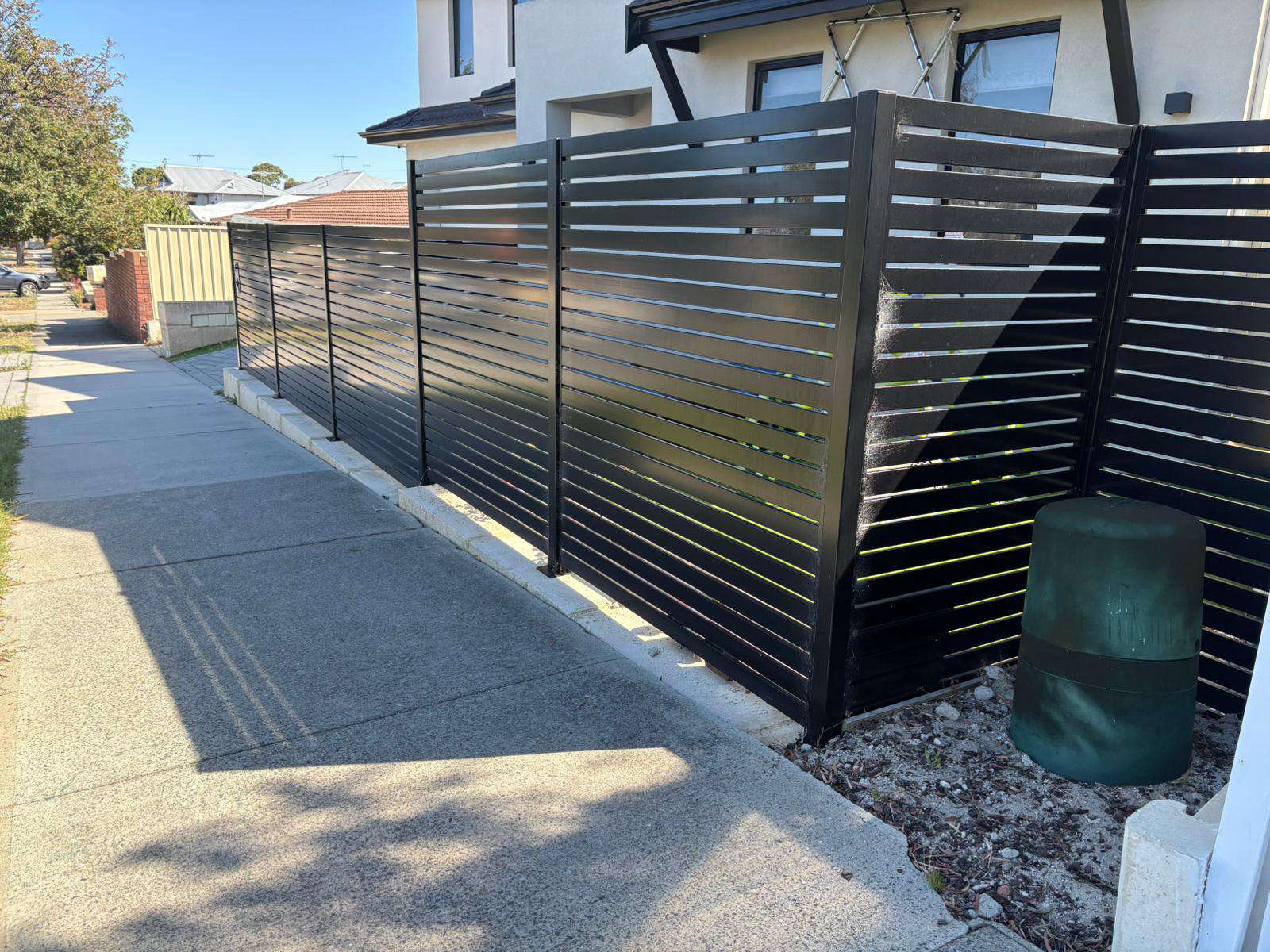
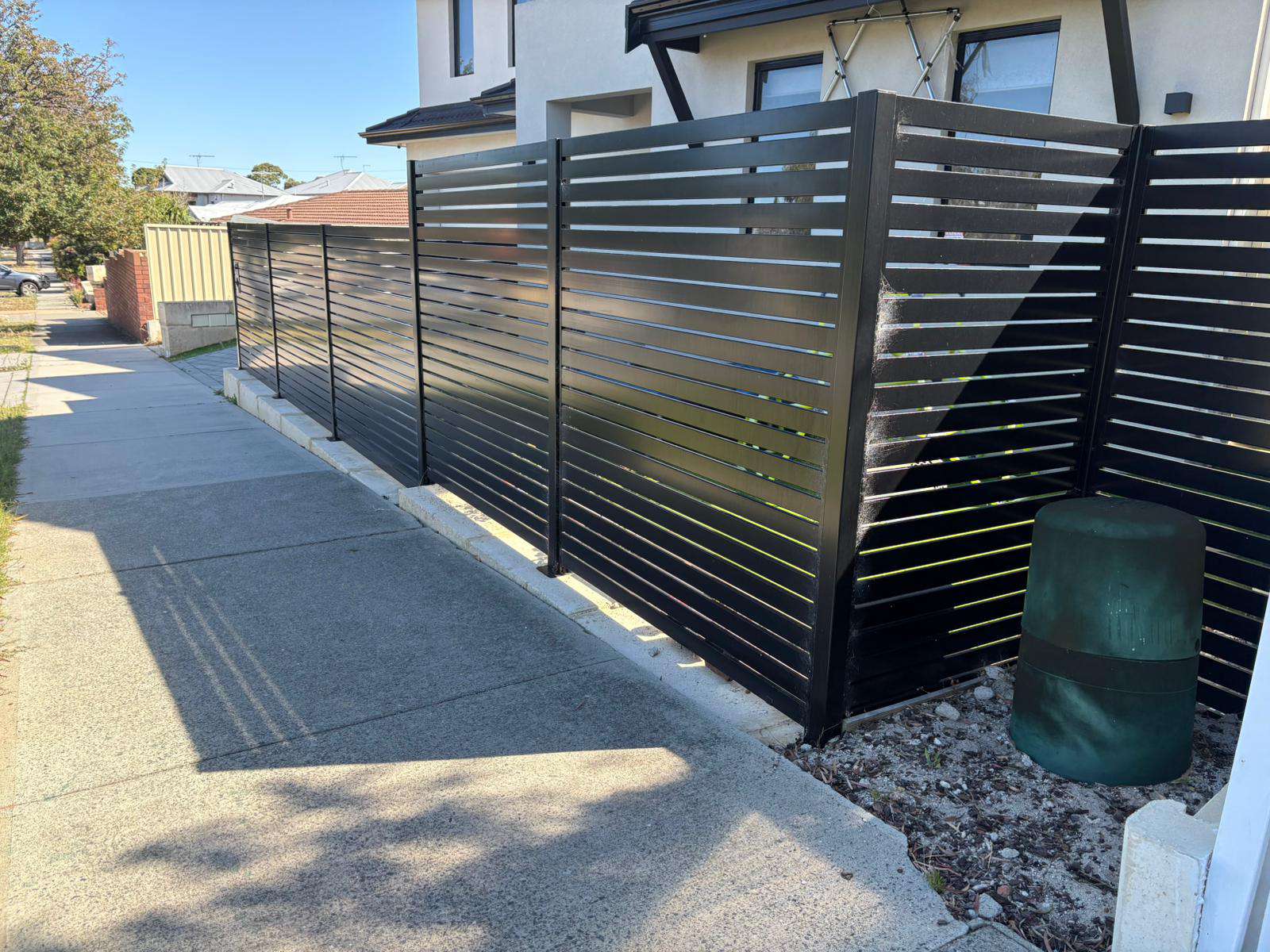
15 Types of Fencing to Consider in Perth: Costs, Materials and Installation Guide

Choosing the right fence is an important decision for homeowners who want to improve privacy, security, property boundaries and outdoor appearance. Whether you are replacing an ageing boundary fence, building a new home or upgrading your front garden, selecting the right fencing material and installer can make a significant difference to the finished result.

For homeowners searching for fencing contractors near me, affordable fencing near me or fence installation near me, the first step is understanding which fencing solution suits the property. The right choice depends on the purpose of the fence, the length of the boundary, the ground conditions, the desired appearance, maintenance expectations and the available budget.

Fencing on Budget helps Perth homeowners explore practical fencing options for different residential properties. From Colorbond fencing and timber fence installation to aluminium slat fencing and pool safety fencing, understanding the advantages of each material can help you make a more informed decision before requesting a quote.

This guide explains 15 important fencing search topics and answers common questions about materials, installation, affordability and choosing local fencing professionals in Perth.

What Should You Know Before Hiring Fencing Contractors in Perth?

A suitable fence should do more than mark the boundary of a property. It should provide the level of privacy and security you need while complementing your home and outdoor space.

Before choosing a contractor, consider what you want your fence to achieve. A homeowner who needs privacy from neighbouring properties may prefer a solid Colorbond fence or a suitable timber design. Someone upgrading a contemporary front garden may prefer aluminium slat fencing. Properties with swimming pools require a compliant safety barrier designed for that specific purpose.

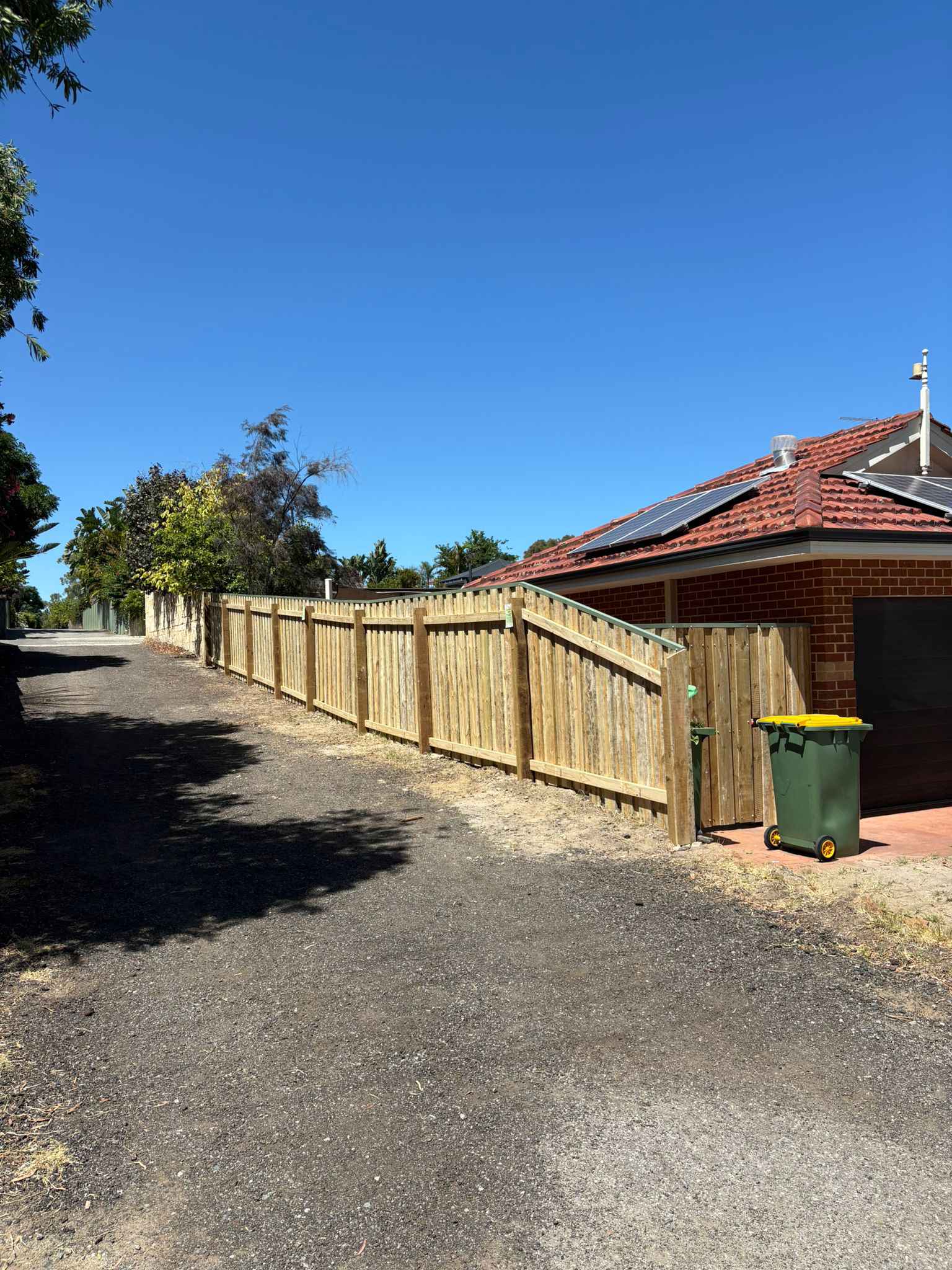
The most appropriate fencing solution depends on the property rather than simply the material with the lowest advertised price.

When comparing fencing contractors, consider the following factors.

Experience with the fencing material

Different fencing systems require different installation methods. Colorbond fencing, timber fencing, pinelap fencing, aluminium slat fencing and pool fencing each have their own installation requirements.

Ask whether the contractor regularly installs the type of fence you want and whether they can explain the recommended materials and installation process.

Clear and detailed quotations

A fencing quote should clearly explain the proposed work. Depending on the project, this may include the fence length, material specifications, removal of an existing fence, disposal, posts, rails, gates, access requirements and installation labour.

Check whether the quotation includes all agreed work and whether additional costs could apply if unexpected site conditions are discovered.

Ground conditions and boundary measurements

Uneven ground, sloping boundaries, difficult access, retaining structures and underground services can affect fencing installation.

Accurate measurements and an assessment of the site help the installer recommend a suitable fencing design and identify potential complications before work begins.

Communication and project planning

A professional fencing company should explain the expected process from the initial enquiry through to completion. You should understand the proposed materials, project scope, anticipated schedule and any preparation required before installation begins.

Local requirements

Boundary fencing and pool barriers may be subject to different rules. Check the relevant Western Australian requirements and local council guidance before starting work, especially where a fence adjoins a street, retaining wall, pool or neighbouring property.

1. Fencing Contractors Near Perth: How to Choose the Right Local Installer

When people search for fencing contractors near me, they usually want a professional who can assess their property, recommend suitable materials and provide a quotation for installation.

Local availability matters because fencing projects often require an inspection, accurate measurements and coordination with neighbouring property owners or other trades.

However, choosing a contractor should involve more than selecting the nearest business in a search result.

What should you look for in a local fencing contractor?

Start by identifying the type of fence you need. A contractor experienced in residential boundary fencing may be suitable for Colorbond or timber fencing, while a pool fencing project requires knowledge of the relevant safety barrier requirements.

Ask for a clear explanation of the proposed materials and installation method. If the contractor recommends a particular design, they should be able to explain why it suits your property.

Review the quotation carefully. Compare the actual scope of work rather than comparing prices alone. A lower quotation may cover a different material specification, exclude old fence removal or omit other work that another contractor has included.

It is also useful to ask how the installer will handle uneven ground, access restrictions and any existing structures along the boundary.

Why local knowledge matters in Perth

Perth properties vary considerably in layout, access and ground conditions. A property with a straightforward rear boundary may require a different installation approach from a sloping block or a property with established landscaping.

An on site assessment helps determine the appropriate post placement, fence configuration and preparation work.

For homeowners looking for local fence contractors in my area, the most useful starting point is to provide the suburb, approximate fence length, preferred material and a description of the project.

This information helps a contractor understand the work and prepare a more relevant estimate.

2. Affordable Fencing Near Perth: How to Manage Your Fencing Budget

Searching for affordable fencing near me does not necessarily mean choosing the cheapest available material. A more useful approach is to compare the total cost of the project with the expected lifespan, maintenance needs and suitability of the fence.

The cost of a fencing project depends on several variables, so there is no single price that applies to every Perth property.

What affects fencing costs?

The length and height of the fence are important starting points. Larger projects generally require more materials and labour.

The chosen fencing material also affects the quotation. Colorbond, treated timber, pinelap and aluminium slat fencing have different material costs and installation requirements.

Other factors include the number of gates, the condition of the existing fence, access to the boundary, ground preparation and whether old materials need to be removed.

Sloping ground or difficult access may increase the work involved. Similarly, replacing a fence around established gardens can require additional care to protect surrounding areas.

How can you keep costs manageable?

First, establish the actual fencing requirement. Decide which boundaries need a new fence and whether every section needs the same material or finish.

Second, compare quotations that specify similar materials and work. Make sure each contractor is quoting for the same approximate fence length, height and scope.

Third, consider long term maintenance. An inexpensive initial installation may not be the most economical option if it requires frequent repairs or treatment.

Finally, ask whether the project can be completed in clearly defined stages if your budget does not allow the entire boundary to be replaced at once.

Is affordable fencing always lower quality?

No. Affordability depends on selecting an appropriate design and managing the scope of work efficiently. A straightforward fence using a practical material can provide excellent value when it is properly specified and installed.

The important consideration is whether the proposed fence meets your requirements for privacy, durability, appearance and maintenance.

Fencing on Budget encourages homeowners to compare the complete proposal rather than relying only on the headline price.

3. Fence Installation Near Perth: Understanding the Installation Process

When searching for fence installation near me, homeowners often want to understand what happens between accepting a quotation and receiving a completed fence.

Although the exact process varies by material and property, most projects follow several key stages.

Step one: Initial enquiry

The process begins with a description of the project. Provide the property suburb, approximate boundary length, preferred fencing type and whether an existing fence needs replacement.

Photographs of the boundary can help explain access conditions and identify visible obstacles.

Step two: Site assessment and measurements

The contractor assesses the proposed fence line and confirms measurements. This stage may identify sloping ground, difficult access, retaining structures or other issues that influence the design.

Property boundaries should be confirmed where their position is uncertain. A fence should not be positioned on an assumed boundary without appropriate verification.

Step three: Material selection and quotation

Once the requirements are understood, the contractor can recommend suitable materials and prepare a quotation.

The quotation should explain the agreed work and identify any exclusions or assumptions that could affect the final cost.

Step four: Preparation

Preparation may include arranging access, removing an existing fence, clearing the immediate work area and identifying underground services.

The required preparation depends on the property and the fencing system.

Step five: Installation

The installer positions posts and fits the selected fencing components according to the relevant installation requirements.

The work may also involve gates, corner posts, end posts and adjustments for changes in ground level.

Step six: Final inspection

After installation, the contractor should check the completed work against the agreed scope. Gates should operate as intended and the fence should be appropriately aligned and secured.

Homeowners should clarify any maintenance recommendations and warranty conditions before considering the project complete.

4. Fencing Services in Perth Area: What Services Can a Fencing Company Provide?

Searching for fencing services in my area can return businesses that specialise in different products and types of projects.

Some fencing companies focus primarily on residential boundary fences. Others also provide gates, decorative front fencing, pool barriers and fence replacement.

Understanding the available services helps you find a contractor suited to your particular requirements.

Residential boundary fencing

Boundary fencing separates neighbouring properties and can provide privacy, security and a consistent appearance around the home.

Popular options include Colorbond fencing, timber fencing and pinelap fencing. The right choice depends on the desired appearance, budget, maintenance requirements and site conditions.

Fence replacement

Older fencing may develop damaged panels, loose posts, leaning sections or deteriorating timber.

Replacing the fence provides an opportunity to reconsider the material, height and appearance. Before work begins, establish whether removal and disposal are included in the quotation.

Front fencing

Front fences contribute to street appeal and may help define access to the property.

Depending on the design, homeowners may consider aluminium slats, decorative metal fencing or other suitable materials. Street frontage restrictions and visibility requirements should be checked before choosing the final design.

Gates and access points

A fencing project may include a pedestrian gate, driveway gate or another access point.

The gate should be appropriate for the opening, expected use and surrounding fencing system. Discuss the required width, operation and hardware before the quotation is finalised.

Pool safety fencing

Swimming pool barriers have specific safety requirements. A suitable pool fencing contractor should understand the applicable regulations and installation requirements.

Do not assume that an ordinary boundary fence automatically satisfies pool barrier requirements.

5. Local Fence Contractors in Perth Area: Questions to Ask Before Hiring

Choosing local fence contractors in my area becomes easier when you ask consistent questions and compare the answers.

The aim is to understand the quality and scope of the proposed work before making a decision.

Are you experienced with my preferred fencing type?

Ask whether the contractor regularly installs Colorbond, timber, pinelap, aluminium slat or pool fencing.

Experience with the selected material helps ensure that the design and installation method are appropriate.

What does the quotation include?

Confirm the proposed material, fence length, height, installation labour, gates and any removal or disposal work.

Ask whether site preparation is included and how unforeseen ground conditions will be handled.

Who is responsible for confirming the boundary?

If the boundary position is uncertain, establish what evidence is required before installation. Do not rely solely on an old fence line if there is a genuine boundary concern.

What approvals or permissions may be required?

Requirements vary according to the fence location, design and purpose. Ask what needs to be checked with the relevant local authority or other responsible party.

What workmanship and material warranties apply?

Ask for the applicable warranty terms in writing. Understand what is covered, how long coverage lasts and whether particular maintenance conditions apply.

What is the expected project schedule?

Ask when the work could begin, how long installation is expected to take and whether weather or material availability could affect the schedule.

These questions help you assess the overall proposal instead of making a decision based on price alone.

6. Colorbond Fencing Near Perth: A Practical Option for Residential Boundaries

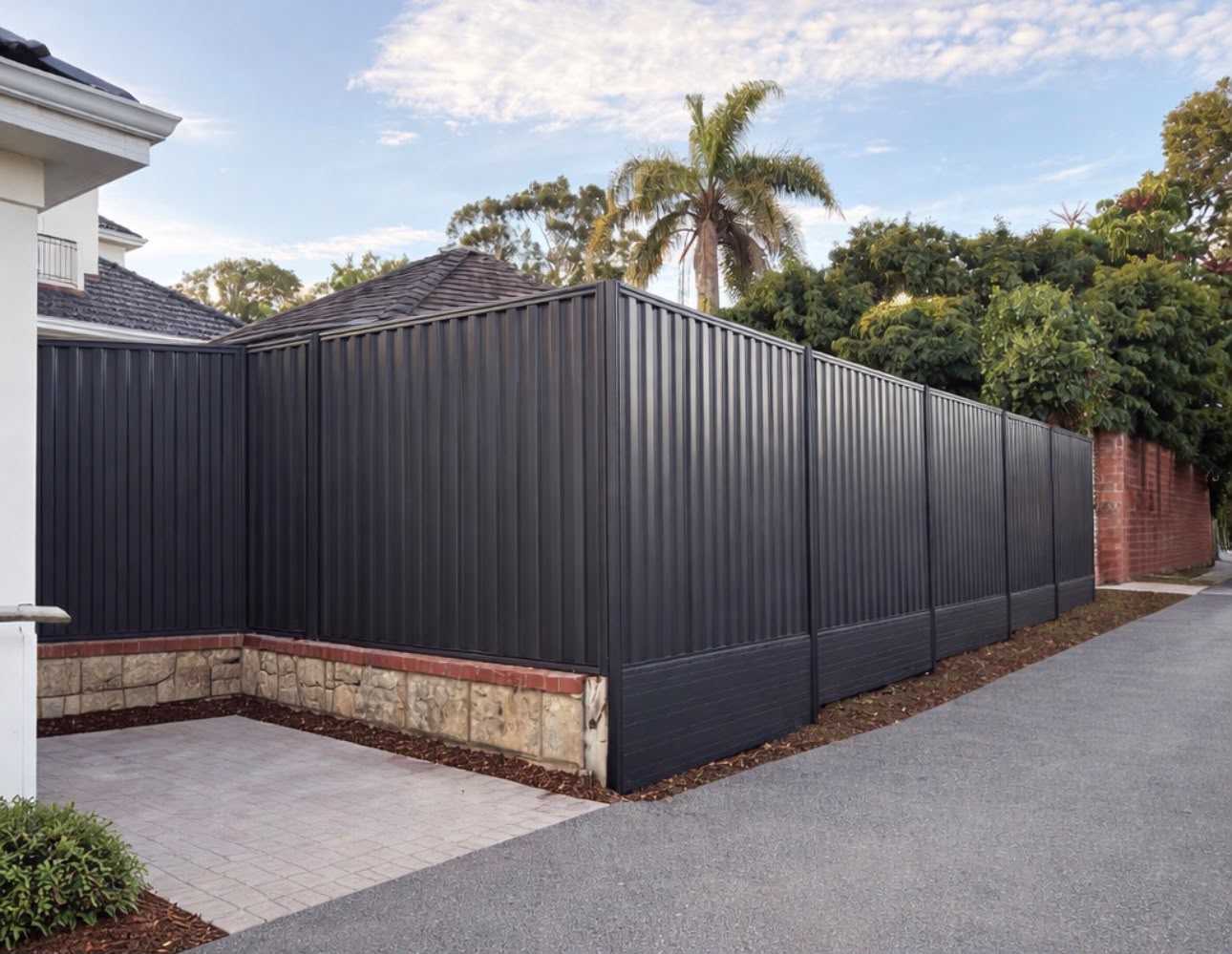
Colorbond fencing near me is a common search among homeowners looking for a modern boundary fence with a relatively low maintenance finish.

Colorbond fencing generally uses prefinished steel panels supported by posts and rails. It is available in different colours and configurations, allowing homeowners to select a finish that complements their property.

Benefits of Colorbond fencing

One advantage is privacy. Solid panels provide a visual barrier between neighbouring outdoor spaces when installed in a suitable configuration.

The prefinished surface also reduces the need for routine painting compared with many traditional timber fences. Normal cleaning and periodic inspections are still advisable.

Colorbond fencing can provide a neat appearance around contemporary homes and established residential properties.

Is Colorbond suitable for every property?

Not necessarily. Site conditions, boundary design, drainage, wind exposure and the required appearance all influence suitability.

The installer should consider how the fence meets the ground and how changes in level will be handled.

Homeowners should also check whether the proposed height and location comply with applicable requirements.

How do you maintain Colorbond fencing?

Inspect the fence periodically for loose components, damage and signs of corrosion. Clean accumulated dirt when needed using a method appropriate for the manufacturer’s finish.

Avoid assuming that all steel fencing products have identical specifications. Confirm the material and coating details for the particular product being quoted.

For homeowners seeking a practical boundary solution, Colorbond is worth comparing with timber and pinelap fencing before making a final decision.

7. Colorbond Fence Installation Perth: What to Expect

Colorbond fence installation in Perth begins with confirming the fence line, measuring the boundary and selecting a suitable panel configuration.

The installation requirements depend on the site, the fencing system and the intended use of the boundary.

Planning the fence line

Accurate measurements help establish the number of panels, posts and other components required.

Where the boundary position is uncertain, seek appropriate confirmation before installation. Also identify underground services and any obstacles that could affect post placement.

Selecting the right design

Homeowners should consider panel height, colour, boundary layout and the relationship between the fence and nearby structures.

A consistent fence design can create a tidy appearance across the property. However, changes in level or the presence of retaining walls may require a different installation arrangement.

Managing uneven ground

Sloping boundaries can require additional planning. The installer should explain how the fence will follow the ground and whether stepped or sloping panels are appropriate for the selected system.

The method should suit the product and site conditions rather than relying on a one size fits all approach.

Replacing an existing fence

If the project involves replacing old fencing, confirm whether removal and disposal are included.

Check whether access is available on both sides of the boundary and whether plants, sheds or other structures could affect the work.

A detailed quotation helps clarify the expected installation process and reduces misunderstandings.

8. Pinelap Fencing Near Perth: Privacy with a Traditional Timber Appearance

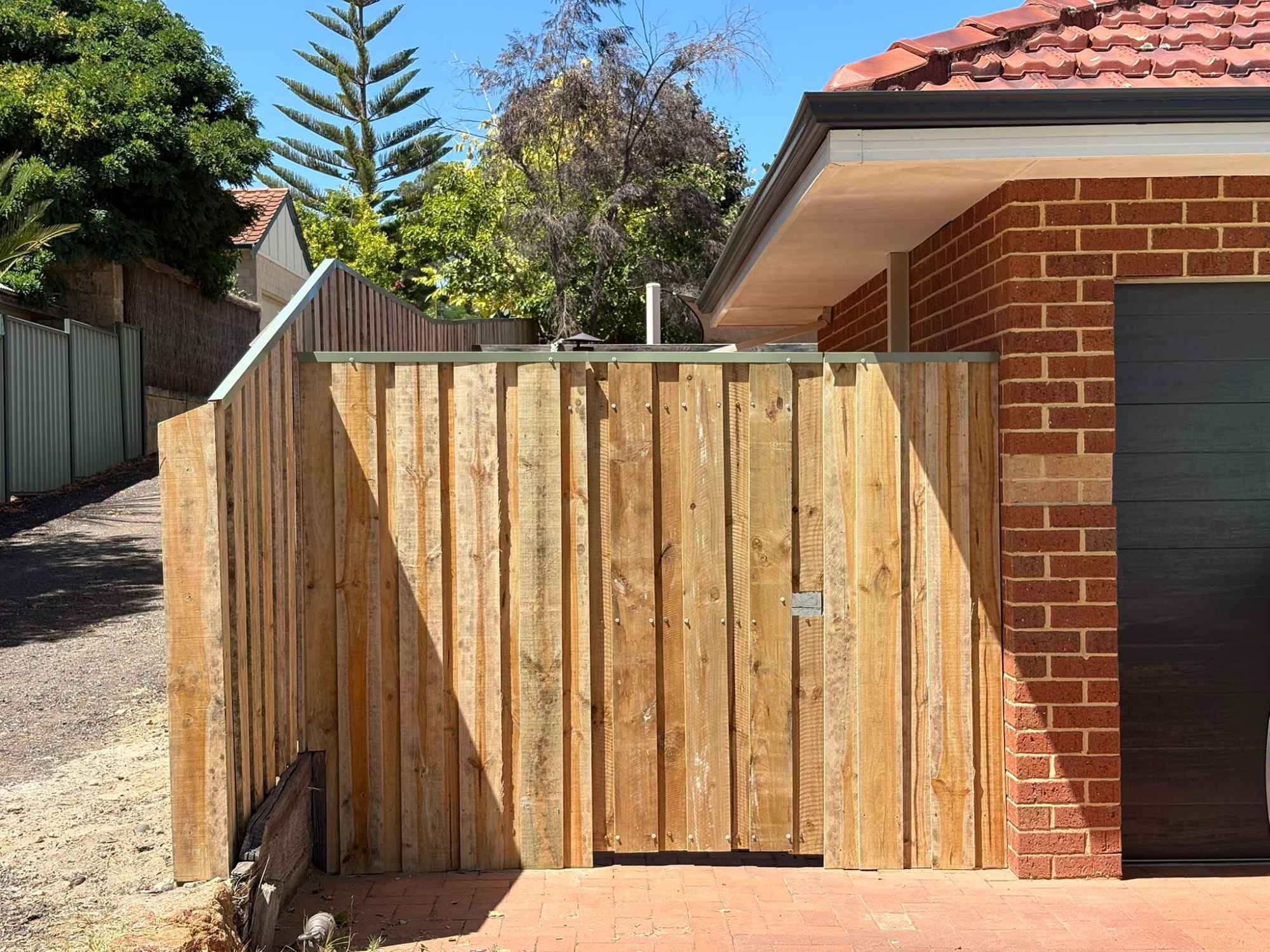
Pinelap fencing near me is a relevant search for homeowners who prefer the appearance of timber fencing and want to create a private boundary.

Pinelap fencing is commonly associated with overlapping or closely arranged timber boards. The finished design can provide a more traditional appearance than many metal fencing systems.

The exact appearance depends on the board profile, layout, treatment and construction method.

Why consider pinelap fencing?

Timber fencing can complement gardens, established homes and outdoor spaces where a natural material is preferred.

The design can also provide privacy when the boards are appropriately arranged.

Pinelap fencing may be worth considering when replacing an older timber boundary and maintaining a similar appearance is important.

What should you check before installation?

Ask about the timber species, treatment, board dimensions and expected maintenance requirements.

Timber can respond to moisture, temperature changes and prolonged exposure to the elements. Its performance depends on the material, treatment, installation and local conditions.

The posts and structural components are particularly important because a fence is only as dependable as its supporting construction.

Is pinelap fencing affordable?

The cost depends on the fence height, total length, timber specification, post requirements and installation complexity.

Compare complete quotations and ask whether the price includes preparation, removal of old fencing and disposal.

Pinelap fencing can be a suitable choice for homeowners who value a traditional timber appearance, provided they understand the maintenance involved.

9. Timber Fence Installation Perth: Choosing and Maintaining Timber Fencing

Timber fence installation in Perth can suit homeowners who want a natural finish and flexibility in the appearance of their boundary.

Timber fencing is available in a range of styles, from simple paling fences to more decorative designs. The appropriate option depends on privacy requirements, budget and the surrounding property.

Selecting the timber

Different timber products have different characteristics. Treatment, durability, dimensions and exposure conditions should all be considered.

Ask the installer to identify the proposed timber and explain any relevant treatment or maintenance requirements.

Do not assume that every timber product has the same resistance to moisture, decay or insect damage.

Preparing for installation

The fence line should be measured accurately and checked for obstacles.

The installer should consider soil conditions, post placement and changes in ground level. Posts need to be installed using a method suitable for the site and the chosen fence design.

If an existing fence is being removed, clarify how the materials will be handled and whether any additional work is expected.

Maintaining timber fencing

Regular visual inspections help identify loose boards, damaged posts and deterioration.

Depending on the timber and finish, periodic treatment or coating may be recommended. Follow the manufacturer’s guidance and the installer’s advice for the selected product.

Keep vegetation from trapping excessive moisture against vulnerable components and address damage before it spreads.

Is timber better than Colorbond?

Neither option is universally better. Timber offers a natural appearance and flexibility in traditional designs. Colorbond offers a prefinished metal surface that generally requires less routine coating maintenance.

The best option depends on the property’s appearance, maintenance expectations and budget.

10. Aluminium Slat Fencing Near Perth: Contemporary Style and Visibility

Aluminium slat fencing near me is a relevant search for homeowners who want a modern front fence or a decorative feature around an outdoor area.

Aluminium slat systems use horizontal or vertical slats arranged with selected spacing. Depending on the configuration, they can balance visual privacy with airflow and visibility.

Why choose aluminium slat fencing?

The material can suit contemporary homes and modern landscaping. Its clean lines provide a different appearance from solid Colorbond panels or traditional timber boards.

Aluminium is also valued for its resistance to corrosion in many environments, although the performance of the complete fencing system depends on the product specification, coating and installation.

Choosing the slat configuration

Slat spacing influences the appearance and degree of privacy. Narrower gaps generally provide less visibility through the fence, while wider gaps create a more open effect.

The right configuration depends on the purpose of the fence and its location.

For a front boundary, homeowners may want to maintain visibility from the driveway or street. For a private courtyard, a more enclosed configuration may be preferred.

What affects the cost?

The overall cost depends on the system, slat dimensions, finish, fence height, post arrangement and site conditions.

Custom layouts and gates can influence the quotation. Ask whether the quoted price includes all required components and installation.

Aluminium slat fencing can be a strong design choice when appearance is a priority, but it should be compared with other materials based on both function and budget.

11. Aluminium Fence Installers Perth: What Makes a Good Installation?

Finding suitable aluminium fence installers in Perth involves more than selecting a style from a product catalogue.

The finished fence depends on accurate measurements, appropriate structural support, suitable fixings and correct installation.

Confirm the product specifications

Before accepting a quotation, ask which aluminium fencing system will be installed.

Check the finish, dimensions, colour and configuration. If the fence will be exposed to demanding environmental conditions, ask whether the selected product is appropriate for the location.

Check posts and fixings

Posts, brackets and fixings contribute to the stability of the fence.

The installer should use components suited to the selected system and site conditions. The required arrangement may vary according to fence height, panel dimensions and exposure.

Plan gates and corners

Gates introduce additional requirements because they must support movement and repeated use.

Discuss gate dimensions, hinges, latches and the surrounding post arrangement before installation. Corners and changes in direction should also be included in the measurements.

Confirm the completed work

At completion, inspect the fence for alignment, secure components and consistent spacing.

Ask about cleaning, maintenance and applicable warranties.

For homeowners seeking a contemporary fencing solution, a properly specified aluminium system can provide a neat finish while complementing the property’s architecture.

12. Pool Safety Fencing Near Perth: Safety Must Come First

Pool safety fencing near me is a particularly important search because pool barriers serve a different purpose from ordinary residential boundary fences.

A pool barrier is intended to restrict unsupervised access to a swimming pool. Its design, placement, gate arrangement and ongoing condition must meet the applicable safety requirements.

Homeowners should never assume that a decorative fence or standard boundary fence automatically qualifies as a compliant pool barrier.

What should homeowners consider?

First, identify the applicable requirements for the pool and property. In Western Australia, pool safety requirements can depend on the pool, the barrier arrangement and the relevant legislation and standards.

Second, consider the entire barrier system rather than focusing only on the fence panels. Gates, latches, openings, nearby objects and the relationship between the barrier and surrounding structures can all affect safety.

Third, arrange appropriate checks before relying on an existing barrier. A fence that was previously accepted may still require maintenance or alterations if components have deteriorated or the surrounding area has changed.

Why professional assessment matters

A contractor familiar with pool fencing can help identify installation considerations and explain what needs to be checked.

However, homeowners should confirm compliance obligations with the relevant Western Australian authority or a suitably qualified professional. Do not rely on a general marketing description as proof that a barrier meets every applicable requirement.

Maintaining pool barriers

Inspect the barrier and gate regularly. Check that gates close and latch correctly and that there are no damaged sections or other visible problems.

Keep climbable objects away from the barrier where required and follow the applicable safety guidance.

Pool fencing should be treated as a safety system, not simply as another landscaping feature.

13. Pool Fence Installation Perth: Planning a Suitable Pool Barrier

Pool fence installation in Perth requires careful planning because the barrier must suit the pool layout and meet the applicable requirements.

Different properties may use different approved barrier arrangements. The appropriate solution depends on the pool, surrounding structures, access points and site conditions.

Assess the pool area

Before installation, identify the pool boundary, existing access points and nearby structures.

The assessment should consider how people could enter the pool area and whether the proposed barrier arrangement is appropriate.

Choose a suitable fencing system

Pool fencing may use different materials and configurations, subject to the applicable requirements.

The selection should consider visibility, durability, maintenance and the practical layout of the pool area.

A visually appealing design is important, but it must never take priority over safety or compliance.

Check gate requirements

Pool gates are a critical part of the barrier system. Their positioning, operation and latching arrangements must meet the relevant requirements.

Ask the contractor to explain the proposed gate configuration and what checks should be completed after installation.

Confirm the applicable regulations

Requirements can change and may differ according to the circumstances of the pool.

Before proceeding, consult current Western Australian government guidance and the relevant local authority. Where required, arrange an inspection by an appropriately authorised professional.

Request a detailed quotation

The quotation should identify the proposed barrier system, installation work, gates and any preparation required.

Clarify whether the quotation includes any required compliance related work or whether separate assessments and approvals must be arranged.

Pool safety is too important to leave uncertain. Confirm the requirements before accepting the final design.

14. Residential Fencing Contractors Perth: Fencing for Different Homes

Residential fencing contractors in Perth work with properties that have different layouts, architectural styles and privacy requirements.

The best fence for one home may not be suitable for another. A practical selection process starts by identifying the purpose of each boundary.

Fencing for new homes

New homes provide an opportunity to plan the boundary fence alongside landscaping, driveway access and outdoor living areas.

Homeowners should consider the desired level of privacy, the relationship between the fence and the house, and any future plans for gardens or structures.

It is useful to coordinate the fence layout with other planned outdoor work to avoid unnecessary changes later.

Fencing for established homes

Established properties may require the replacement of damaged fencing or an update to the appearance of the yard.

Before work begins, identify whether existing posts or other components can be retained safely and whether removal is included in the quotation.

Protecting nearby gardens and structures may also influence the installation approach.

Fencing for rental properties

Property owners and managers may prioritise durability, straightforward maintenance and a clear project scope.

The material should be selected according to the property’s requirements rather than simply its initial purchase price.

If the work affects neighbouring properties or shared boundaries, clarify the responsibilities and arrangements before installation.

Fencing for front gardens

Front fencing often has a stronger visual role than rear boundary fencing.

Aluminium slats or other decorative systems may complement the home’s design. However, the location and height should be checked against applicable local requirements.

Fencing for privacy

Where privacy is the main objective, homeowners may compare solid Colorbond panels, timber fencing and pinelap designs.

The correct choice depends on the required height, boundary layout, appearance and permitted configuration.

Residential fencing works best when the design is chosen around the actual needs of the property.

15. Professional Fencing Company Perth: Getting Value from Your Project

Searching for a professional fencing company in Perth is often the final step before requesting a quote.

A reliable contractor should help you understand the options, identify practical limitations and agree on a clear scope of work.

Professional communication

A contractor should respond to questions clearly and explain the work included in the quotation.

You should understand what material is proposed, how the fence will be installed and which items are excluded from the price.

Transparent project scope

A detailed quotation helps avoid misunderstandings about fence length, height, gates, demolition and disposal.

If a project involves unexpected conditions, ask how variations will be explained and approved.

Appropriate materials

The selected material should suit the purpose of the fence and the conditions of the site.

A suitable contractor should explain the differences between options rather than recommending a material without considering your requirements.

Attention to installation details

The finished result depends on more than the visible panels. Post positioning, fixings, alignment, gates and the way the fence meets the ground all contribute to the completed installation.

Clear aftercare information

Ask what maintenance is recommended and which warranty terms apply to the materials and workmanship.

Keep the quotation and relevant product information for future reference.

Why choose Fencing on Budget?

Fencing on Budget provides a starting point for Perth homeowners exploring residential fencing solutions. Whether you are considering a Colorbond boundary, timber fencing, pinelap boards, aluminium slats or a pool barrier, the first step is to establish your requirements and compare suitable options.

Visit the Fencing on Budget website to explore the available services and enquire about a fencing project.

How to Compare Different Fencing Materials

Choosing a material becomes easier when you compare the features that matter most to your property.

Colorbond fencing

Colorbond is worth considering when privacy, a consistent finish and relatively low routine maintenance are priorities.

It can suit a range of residential boundary applications. The correct specification depends on the site and intended use.

Timber fencing

Timber suits homeowners who prefer a natural appearance and traditional designs.

The selected timber and treatment influence its durability and maintenance requirements.

Pinelap fencing

Pinelap offers a timber based privacy option with an overlapping or closely arranged board appearance.

Homeowners should consider the timber specification and the maintenance needed to keep the fence in suitable condition.

Aluminium slat fencing

Aluminium slats can create a contemporary appearance and allow the level of visibility to be adjusted through the design.

The cost depends on the chosen system, finish and installation requirements.

Pool fencing

Pool fencing must be selected according to the applicable safety requirements.

A suitable appearance and material are important, but compliance and the correct operation of the complete barrier system come first.

No material is ideal for every project. Compare the purpose, cost, maintenance and installation requirements before deciding.

What Information Should You Provide When Requesting a Fencing Quote?

Providing useful project details helps a fencing contractor understand your requirements.

Start with the property suburb and the approximate length of the proposed fence. If you do not know the exact measurement, explain that the length needs to be confirmed.

Describe the fencing material you prefer, if you have one. If you are undecided, explain whether privacy, appearance, affordability or low maintenance is the main priority.

Tell the contractor whether the fence is new or replacing an existing structure. Mention any gates, sloping ground, retaining walls, access restrictions or nearby landscaping.

Photographs can help illustrate the site, although they do not replace accurate measurements or an assessment where one is required.

For pool fencing, explain the pool layout and ask what compliance checks or additional assessments may be necessary.

Before accepting the quotation, make sure you understand the scope, material specification, expected schedule, payment arrangements and applicable warranty terms.

Frequently Asked Questions About Fencing in Perth

1. How do I find fencing contractors near me?

Search for fencing contractors serving your suburb and compare their experience with your preferred material. Request a detailed quotation and confirm what installation, preparation and removal work is included.

2. What is the most affordable fencing option?

There is no single cheapest option for every property. The total cost depends on material, fence length, height, site access, labour and preparation. Compare complete quotations for equivalent specifications.

3. How do I choose a fence installation company?

Look for relevant experience, clear communication, detailed quotations and an explanation of the proposed installation method. Check applicable insurance, warranty and licensing requirements for the work.

4. Is Colorbond fencing suitable for Perth homes?

Colorbond can be suitable for many residential boundaries because it offers a consistent finish and generally requires less routine coating maintenance than many timber fences. Suitability depends on the product and site conditions.

5. Is timber fencing better than Colorbond fencing?

Neither is automatically better. Timber provides a natural appearance and flexible traditional designs, while Colorbond offers a prefinished steel surface. Compare appearance, maintenance, installation requirements and cost.

6. What is pinelap fencing?

Pinelap fencing is a timber fencing style commonly associated with overlapping or closely arranged boards. It can provide privacy and a traditional appearance, depending on its construction.

7. Is aluminium slat fencing good for front gardens?

Aluminium slat fencing can suit modern front gardens because it offers a contemporary appearance and adjustable spacing. The appropriate design depends on privacy, visibility, structural requirements and local restrictions.

8. What should I know before installing a pool fence?

Confirm the applicable Western Australian pool barrier requirements before selecting a design. The barrier, gates and surrounding area must meet the relevant safety requirements. Arrange appropriate professional checks where necessary.

9. Can I replace an existing boundary fence?

Yes, replacement is a common fencing project. Confirm the boundary position where necessary, agree on responsibilities with relevant parties and check whether removal and disposal are included in the quotation.

10. Does fencing installation cost more on sloping ground?

It can. Sloping ground may require additional planning, different panel arrangements or more complex installation work. The effect on cost depends on the slope, fence design and site conditions.

11. Should I obtain several fencing quotations?

Comparing multiple quotations can help you understand material options and the scope of work. Make sure each quotation covers comparable specifications before comparing the total price.

12. How long does a fencing project take?

The schedule depends on the fence length, material availability, site preparation, access and installation complexity. Ask the contractor for an estimated schedule based on your specific project.

13. What maintenance does a residential fence need?

Maintenance depends on the material. Timber may require periodic treatment or coating, while Colorbond and aluminium systems generally need cleaning and inspection. Follow the relevant product guidance.

14. Can one contractor install different types of fencing?

Some contractors offer several fencing systems, while others specialise in particular materials. Confirm that the contractor has relevant experience with the fence you want installed.

15. How can I get a fencing quote in Perth?

Provide your suburb, approximate fence length, preferred material and project details. Explain whether the fence is new or a replacement and mention any gates or site access concerns. Request a written quotation that clearly explains the proposed work.

Final Thoughts: Find the Right Fencing Solution for Your Perth Property

Choosing a fence involves balancing privacy, security, appearance, maintenance and budget. The most suitable option depends on the needs of the property and the conditions in which the fence will be installed.

Homeowners searching for fencing contractors near me, affordable fencing near me or fence installation near me should begin by identifying the project requirements and comparing clearly specified quotations.

Colorbond fencing may suit those who want a consistent and relatively low maintenance boundary. Timber and pinelap fencing can appeal to homeowners who prefer a natural appearance. Aluminium slat fencing provides a contemporary design option, while pool fencing requires particular attention to safety and compliance.

Fencing on Budget encourages Perth homeowners to research their options, ask questions and choose a fencing solution that suits the property.

Ready to plan your fencing project?

Visit https://fencingonabudget.com.au/ to explore Fencing on Budget and enquire about the right fencing option for your home in Perth.

A clear project brief and a well defined quotation are practical first steps towards a fence that meets your requirements and provides lasting value.
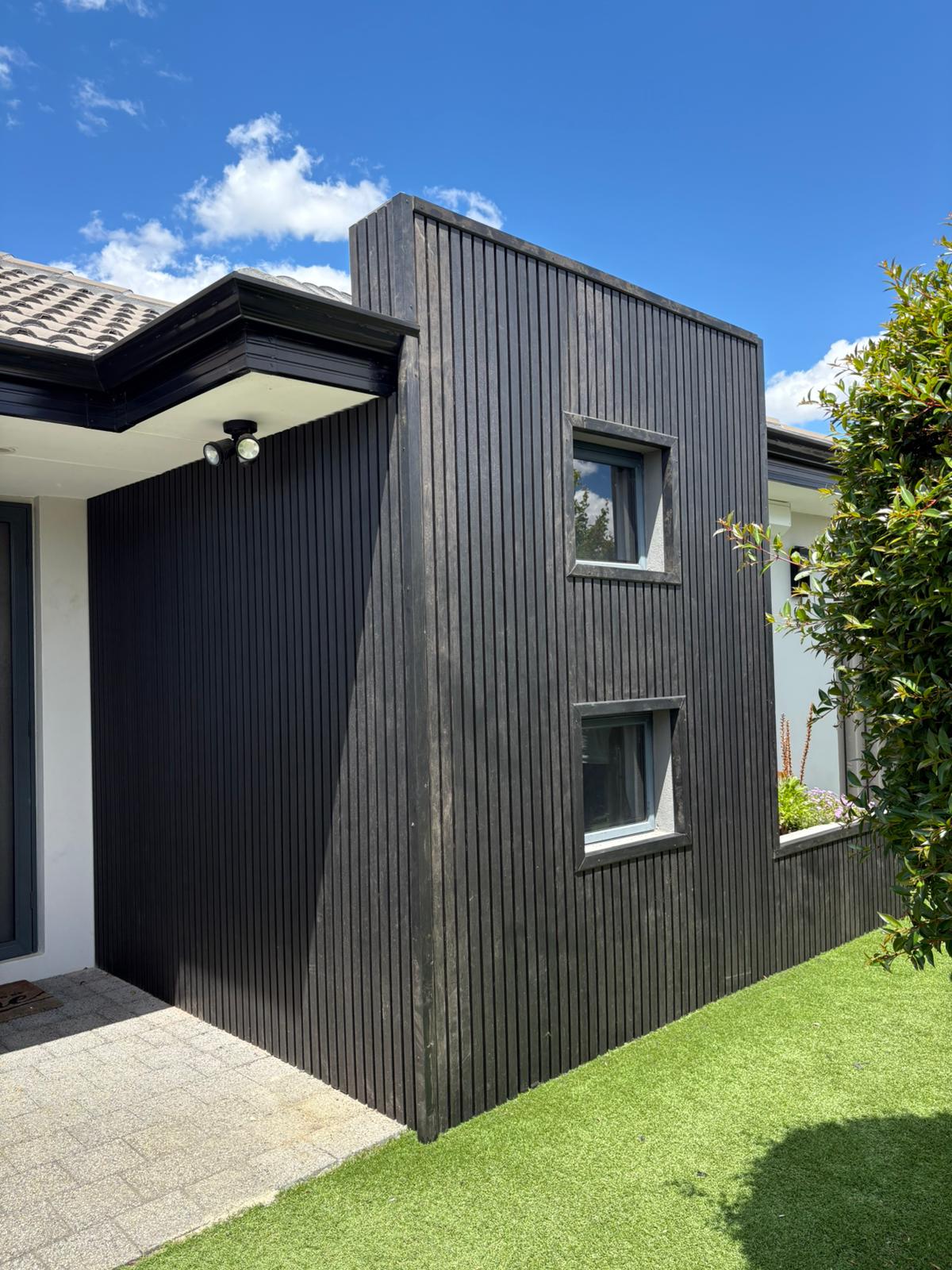
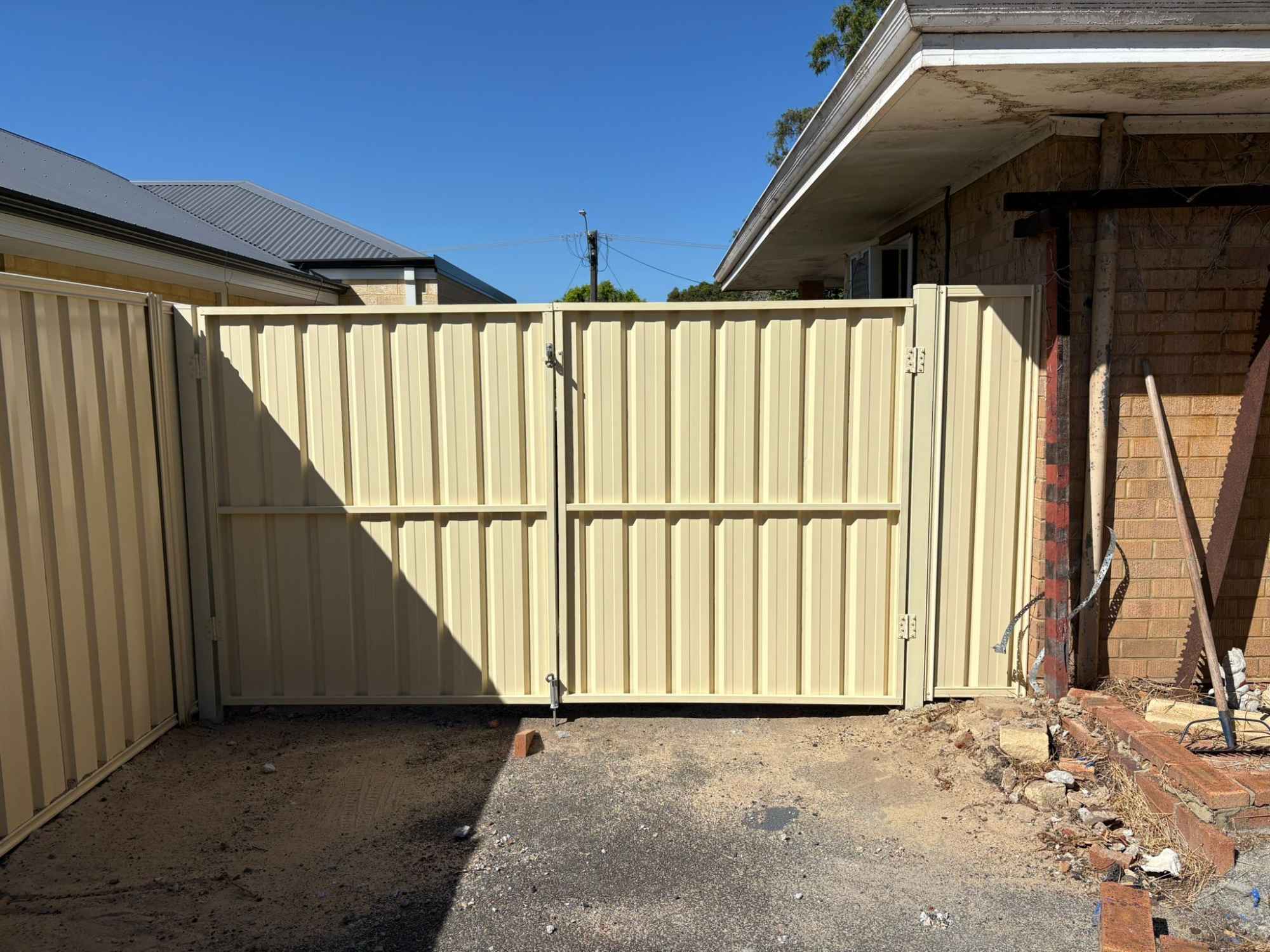
Pool Safety Fencing: What Every Homeowner Needs to Know

Owning a pool comes with real responsibility. Safety fencing sits at the centre of that responsibility. It protects children. It keeps you compliant with the law. And it gives you genuine peace of mind every time you step outside.

This guide covers everything a homeowner actually needs to know about pool safety fencing in Perth. It explains the rules, the material options, and what a proper installation looks like.

In short, pool safety fencing must meet strict legal requirements in Western Australia. The barrier needs a minimum height of 1.2 metres. Gates must close and latch automatically. And the area around the barrier must stay clear of anything a child could climb.

Why Pool Safety Fencing Matters So Much

Drowning remains a leading cause of accidental death among young children. Most incidents happen in home pools, not public ones. This single fact drives every rule around pool fencing in Western Australia.

A compliant barrier does more than satisfy a legal checklist. It creates a real physical layer of protection. It buys precious seconds if a child wanders toward the water unsupervised.

Understanding this purpose helps homeowners take the requirements seriously rather than treating them as bureaucratic hurdles.

The Legal Basics Every Homeowner Should Know

Western Australian law requires a compliant safety barrier for any pool holding more than 300mm of water. This applies to permanent pools, above ground pools, and portable inflatable pools alike.

The barrier must stand at least 1.2 metres high. It must have no horizontal footholds a child could climb. Gaps between vertical elements must stay within strict limits.

Full detail on these requirements sits in the WA Government’s official Rules for Pools and Spas guide. This remains the definitive resource for pool owners across the state.

Gates Are Where Most Problems Happen

Gate compliance causes more failed inspections than any other single element. Every gate must close automatically under its own weight. It must latch automatically too.

The latch release mechanism needs careful positioning. A young child should never reach it, even while climbing partway up the gate.

Propping a gate open defeats the entire purpose of the barrier. Local councils treat this as a serious compliance breach. Gates remain the most common access point children use to reach unsupervised pool areas.

Keeping the Barrier Area Clear

Compliance does not stop once the fence goes up. Homeowners must keep the area around the barrier clear too.

Outdoor furniture near the fence can become a climbing aid. Pot plants cause the same problem. Barbecues and garden features need enough distance from the fence line as well.

Many homeowners forget this rule months after installation. Landscaping changes can quietly turn a compliant fence into a non compliant one.

Portable Pools Follow the Same Rules

A common misconception trips up many families each summer. Inflatable pools feel temporary. They are not exempt from fencing laws.

Any pool holding more than 300mm of water needs a compliant barrier. This includes portable pools set up for a single season. Building and Energy runs regular awareness campaigns specifically warning families about this gap in understanding.

Check your barrier requirements before filling a portable pool this summer. Waiting until after a council notice arrives costs far more time and stress.

Choosing the Right Material for Your Pool Fence

Material choice affects both compliance and appearance. Several options work well for Perth pool fencing projects.

Colorbond Steel

Colorbond offers complete privacy and strong durability. It resists Perth’s harsh sun and needs almost no maintenance. Our Colorbond fencing page covers specific compliance considerations for pool applications.

Aluminium Slat Fencing

Aluminium slats give a more open, modern feel around pool areas. Spacing must still meet anti climb requirements. Explore the details on our aluminium slat fencing page.

Glass and Mesh Options

Some homeowners prefer glass panels or mesh barriers for pool areas. These offer excellent visibility while still meeting compliance standards when installed correctly.

What a Compliant Installation Actually Involves

A proper pool fence installation starts with solid fundamentals. Posts need correct depth. Concrete needs adequate curing time before panels attach.

Pool applications add extra precision on top of this. Height needs verification along the entire barrier run. Gate hardware needs careful alignment and repeated testing.

Experienced installers test gates from multiple angles during installation. This attention prevents costly failed inspections later. Our pool safety fence page covers our specific approach to this work.

If you are planning a pool fence installation and want it done right the first time, reach out through our get a free quote page. We will assess your property and explain exactly what compliance requires.

Building Permits and Inspections

Most pool projects require a building permit covering the safety barrier specifically. This permit process usually runs alongside the pool construction itself.

Full detail on how permits apply to pools and fences sits in the WA Government’s building permits fact sheet for private swimming pools.

Once your barrier is installed, a compliance inspection confirms everything meets the standard. Ask your contractor directly whether they handle scheduling this step for you.

Common Compliance Mistakes to Avoid

A handful of mistakes cause repeated problems for homeowners. Knowing them helps you avoid the same issues.

Using horizontal rails on the barrier creates easy footholds. Leaving gaps too wide between vertical elements is another frequent issue. Positioning garden furniture too close to the fence line trips up many otherwise compliant installations.

A contractor experienced in pool fencing specifically will catch these issues before they become problems.

Choosing a Contractor Who Understands Pool Fencing

Not every fencing contractor has deep pool compliance experience. Ask direct questions before hiring anyone for this specific work.

Ask how many pool fencing projects they have completed. Ask them to explain height and gap requirements without hesitation. Ask who arranges the final compliance inspection.

Ongoing Maintenance Responsibilities

Compliance is not a one time achievement. Homeowners must maintain the barrier continuously.

Check gate hinges and latches periodically. Confirm they still close and latch properly under normal use. Watch for garden growth encroaching on the barrier over time.

A well maintained fence protects your family every single day, not just on inspection day.

Frequently Asked Questions

How deep does a pool need to be before fencing becomes mandatory?
Any pool holding more than 300mm of water requires a compliant safety barrier. This applies regardless of whether the pool is permanent or portable.

What is the minimum height for a pool safety barrier?
A compliant barrier must stand at least 1.2 metres high. It must have no horizontal footholds or gaps that allow a child to climb over.

Do inflatable pools need a safety barrier too?
Yes. Any pool exceeding 300mm of water depth needs the same compliant barrier as a permanent pool. This includes portable and inflatable pools.

Who checks whether my pool fence meets legal requirements?
Your local council conducts compliance inspections. Only the council can officially confirm whether a specific barrier meets the legal standard.

Can I use Colorbond for my pool safety fence?
Yes. Colorbond works well for pool barriers when the design meets height, gap, and gate requirements. An experienced installer will confirm compliance for your specific setup.

What happens if my pool fence fails inspection?
Your council outlines exactly what needs correction. This typically means your installer returns to fix the specific issue identified before final approval.

How often should I check my pool gate for proper function?
Check it regularly, especially after any wind or weather event. Confirm it still closes fully and latches automatically every time.

Getting Started With Pool Safety Fencing

Pool safety fencing protects what matters most. Getting it right the first time saves you from failed inspections, delays, and unnecessary stress.

If you are ready to install a compliant pool safety fence,

We handle pool fencing projects across Perth regularly and understand exactly what your council expects.

Aluminium Slat Fencing: A Modern Choice for Privacy and Style

Aluminium slat fencing has become one of the most popular modern fencing choices across Perth. Homeowners love the clean lines. Architects love the flexibility. And it fits almost any home style, from contemporary builds to established properties looking for a fresh update.

This guide explains what aluminium slat fencing actually is. It covers how it performs, what it costs, and where it works best on your property.

In short, aluminium slat fencing uses vertical or horizontal aluminium slats fixed between posts. It resists rust and corrosion completely. It needs almost no maintenance. And it offers a modern look that steel panel fencing simply cannot match.

What Is Aluminium Slat Fencing

Aluminium slat fencing uses individual aluminium slats arranged either vertically or horizontally. Each slat attaches to a frame or post system, creating a fence with visible gaps between sections.

This design differs from Colorbond, which uses continuous sheet panels. Slat fencing offers a more open, architectural appearance. Many homeowners choose it specifically for this modern aesthetic.

The aluminium itself typically comes powder coated in a range of colours. This coating protects the metal and gives you design flexibility to match your home’s exterior.

Why Aluminium Resists Corrosion So Well

Aluminium naturally forms a protective oxide layer when exposed to air. This layer prevents rust from ever forming, unlike steel or iron.

This natural resistance means aluminium slat fencing performs exceptionally well in coastal areas. Salt air causes rapid corrosion in many metals. Aluminium simply does not suffer the same fate.

Perth’s coastal suburbs see this advantage clearly. Homes near the ocean often choose aluminium specifically for this reason.

Understanding the Powder Coating Process

Quality aluminium fencing uses a powder coating finish. This process applies coloured powder to the metal, then bakes it on using heat.

The result is a hard, durable finish that resists chipping and fading. Australian Standard AS 3715 governs this process for architectural aluminium applications. You can review the full Standards Australia listing for AS 3715 if you want technical detail on coating performance requirements.

A properly coated aluminium fence should hold its colour for many years. Poor quality coating, by contrast, can chip or fade prematurely.

The Modern Aesthetic Appeal

Aluminium slat fencing suits contemporary architecture particularly well. Clean lines and consistent spacing create a polished, architectural look.

This style works beautifully for front entry statements. It also suits pool surrounds, feature walls, and side boundary sections where a fully solid fence feels too heavy.

Many homeowners pair aluminium slats with Colorbond for the main boundary. They reserve the slat fencing for a specific feature area instead.

Privacy Levels and Slat Spacing

Slat spacing directly controls how much privacy your fence provides. Tighter spacing blocks more visibility. Wider spacing allows more airflow and light through.

This flexibility lets you choose exactly the balance you want. A pool area might benefit from wider spacing for better sightlines. A private courtyard might need tighter spacing for full screening.

Discussing your specific privacy needs with your installer helps determine the right slat width and gap for your project.

Common Uses for Aluminium Slat Fencing

Aluminium slat fencing suits several specific applications particularly well. Understanding these helps you decide if it fits your property.

Pool Surrounds and Feature Fencing

Many homeowners choose aluminium slats for pool areas. The material resists corrosion from pool chemicals and nearby moisture. It also allows some visibility while still meeting safety barrier requirements.

Full detail on pool safety compliance sits on our pool safety fence page. This page covers exactly what a compliant pool barrier needs.

Front Entry and Street Facing Fencing

A modern front fence creates strong street appeal. Aluminium slats give homes a contemporary edge that timber or brick simply cannot achieve alone.

Side and Rear Boundary Sections

Some properties use aluminium slats along an entire boundary. Others combine it with Colorbond for a mixed material approach that balances privacy and style.

How Aluminium Compares to Colorbond

Both materials resist rust and require minimal maintenance. The real differences come down to appearance, privacy, and cost.

Colorbond provides complete privacy with no gaps. Aluminium slats typically allow some visibility depending on spacing. You can compare Colorbond specifically on our Colorbond fencing page.

Aluminium generally costs more per linear metre than Colorbond. This is why many homeowners use Colorbond for full boundary runs. They save aluminium slats for a specific feature section instead.

How Aluminium Compares to Timber

Timber fencing, including pinelap styles, offers a completely different aesthetic. It brings natural warmth that metal cannot replicate.

However, timber requires regular maintenance to prevent rot and fading. Aluminium needs virtually none. Our pinelap fencing page covers what that maintenance commitment actually involves.

Aluminium wins clearly on longevity and low upkeep. Timber wins on natural appearance and lower upfront cost. The right choice depends on your specific priorities.

What Installation Actually Involves

A proper aluminium slat fence installation starts with posts. These typically use aluminium or steel posts set into concrete footings.

Perth’s sandy soil often needs deeper footings than firmer soil types. Your installer should assess this during a proper site visit.

Once posts cure, the slat framework attaches between them. Individual slats then fix into place with consistent spacing throughout. Precision matters here. Uneven spacing looks obvious and unprofessional once the fence is complete.

Cost Considerations for Aluminium Slat Fencing

Aluminium slat fencing sits at a higher price point than Colorbond or timber. This reflects both the material cost and the more detailed installation process required.

Exact pricing depends on slat spacing, height, and total fence length. Site conditions also affect the final cost significantly.

Getting an accurate figure requires a proper site assessment.

If you are weighing aluminium slats against other fencing materials, reach out through the get a free quote page today. We will help you compare options based on your actual budget and site conditions.

Maintenance Requirements

Aluminium slat fencing needs remarkably little upkeep. An occasional hose down removes dust and any salt residue in coastal areas.

There is no staining, sealing, or repainting required under normal conditions. This is one of the material’s biggest practical advantages over timber.

Checking that slats remain securely fixed over time is worth doing periodically. Loose fixings are rare but easy to tighten if noticed early.

Expected Lifespan

A properly installed aluminium slat fence commonly lasts twenty five years or more. This matches or exceeds Colorbond’s typical lifespan.

The powder coating finish plays a major role here. Quality coating applied to AS 3715 standards holds its colour and integrity for many years without fading significantly.

Environmental and Sustainability Factors

Aluminium is fully recyclable at the end of its life. This makes it an appealing choice for environmentally conscious homeowners.

The material’s exceptional longevity also reduces overall resource consumption. Fewer replacements over time means less material used across the fence’s full lifespan.

Choosing the Right Installer

Not every fencing contractor has deep experience with aluminium slat systems specifically. Ask directly about their experience with this material before committing to a quote.

Confirm the powder coating specification they use. Ask whether it meets AS 3715 requirements. A confident installer answers this without hesitation.

Request examples of completed aluminium slat projects through our gallery. Seeing real finished work tells you far more than a product brochure ever could.

Common Questions About Durability

Some homeowners worry aluminium might dent or bend more easily than steel. Quality aluminium slat systems use appropriately gauged material specifically designed for fencing applications.

Properly installed aluminium fencing withstands normal wind loads and everyday contact without issue. Extreme impact, such as a vehicle collision, can damage any fencing material regardless of type.

Frequently Asked Questions

Does aluminium slat fencing rust over time?
No. Aluminium naturally forms a protective oxide layer that prevents rust entirely. This makes it especially suited to coastal Perth properties exposed to salt air.

How much does aluminium slat fencing cost compared to Colorbond?
Aluminium slat fencing generally costs more per linear metre than Colorbond. Many homeowners use Colorbond for full boundary runs and reserve aluminium slats for a feature section instead.

Is aluminium slat fencing suitable for pool areas?
Yes. Aluminium resists corrosion from pool chemicals and moisture well. It can also meet pool safety barrier requirements depending on slat spacing and height.

How much maintenance does aluminium slat fencing need?
Very little. An occasional hose down removes dust and salt residue. It needs no staining, sealing, or repainting under normal conditions.

What slat spacing gives the most privacy?
Tighter slat spacing blocks more visibility and provides greater privacy. Wider spacing allows more airflow and light while still defining the boundary clearly.

How long does aluminium slat fencing typically last?
A properly installed aluminium slat fence commonly lasts twenty five years or more. Quality powder coating applied to Australian Standards helps maintain its appearance over that time.

Can aluminium slat fencing be combined with other materials?
Yes. Many homeowners pair aluminium slats with Colorbond, using slats for a feature section like a front entry while Colorbond covers the main boundary.

Ready to Explore Aluminium Slat Fencing

Aluminium slat fencing brings a genuinely modern edge to any Perth property. It combines low maintenance, excellent corrosion resistance, and striking contemporary style.

If you are ready to see how aluminium slat fencing would look on your property,

We will arrange a proper site assessment and walk you through the full range of colours and slat configurations available.

Pinelap Fencing Explained: Style, Durability and Uses

Pinelap fencing remains one of the most requested timber fencing styles across Perth, and for good reason. It delivers a warm natural look at a genuinely affordable price point, which makes it a popular choice for homeowners who want a classic fence without the higher cost of hardwood or steel alternatives.

This guide explains exactly what pinelap fencing is, how it performs in Perth’s climate, what maintenance it actually needs, and where it makes the most sense compared to other fencing materials.

In short, pinelap fencing is a timber fence built from horizontal overlapping pine boards fixed to timber or steel posts. It offers a lower upfront cost than most alternatives, a traditional timber appearance many homeowners prefer, and a service life that depends heavily on the treatment level used and how well the fence is maintained over time.

What Is Pinelap Fencing

Pinelap fencing gets its name from its construction method. Horizontal pine boards overlap each other slightly as they run up the fence, similar to weatherboard cladding on a house. This overlapping design sheds rainwater effectively and creates the distinctive horizontal lined appearance that sets pinelap apart from vertical paling fences.

The boards themselves are typically radiata pine, a plantation grown softwood widely used across Australia for outdoor timber products. Pine grows quickly and sustainably compared to slower growing hardwoods, which keeps the raw material cost lower and makes pinelap one of the most budget friendly timber fencing options available.

How Pinelap Fencing Is Manufactured

Pine boards used in pinelap fencing go through a preservative treatment process before they ever reach a building site. This treatment forces chemical preservatives deep into the timber to protect it against rot, fungal decay, and termite attack, all of which pine is naturally vulnerable to without treatment.

The treated boards are then milled to a consistent profile, usually with a slight bevel or lap edge that allows each board to overlap the one below it. This creates the horizontal shiplap style appearance while also improving water runoff compared to a flat butted board design.

The Visual Appeal of Pinelap Fencing

Pinelap fencing brings a warmth and texture that steel and aluminium fencing simply cannot replicate. The horizontal timber grain, combined with the overlapping board pattern, gives the fence a traditional cottage style character that suits older homes, character properties, and gardens with a natural or cottage inspired design.

Many homeowners choose pinelap specifically because it softens a boundary line visually rather than presenting the flat uniform surface of a steel panel fence. This makes it a popular choice for front garden fencing, feature sections, and properties where the fencing is meant to complement established garden beds and established trees.

Common Uses for Pinelap Fencing

Pinelap fencing suits a wide range of applications across a typical Perth property. Understanding where it performs best helps you decide whether it fits your specific project.

Boundary and Privacy Fencing

Pinelap works well as full height boundary fencing, typically installed around 1.8 metres to provide privacy between neighbouring properties. Its solid overlapping board construction blocks sightlines effectively while still allowing the fence to breathe slightly, which can reduce wind load compared to a completely sealed panel.

Garden and Feature Fencing

Lower pinelap sections, often around one metre or less, work well as decorative garden fencing or as a feature element separating different zones within a property. This use case leans more on the material’s natural appearance than on privacy or security.

Rental and Budget Conscious Properties

Given its lower upfront cost compared to Colorbond or aluminium, pinelap is a common choice for rental properties, investment homes, and budget conscious renovation projects where the priority is a functional, attractive fence at a manageable price point.

Understanding Timber Treatment Classes

Timber treatment level is the single most important factor determining how long a pinelap fence actually lasts, and it is worth understanding before choosing a supplier or installer. Australian Standard AS/NZS 1604 defines a series of hazard classes that specify the level of preservative treatment applied to timber, based on how and where it will be used.

According to the treatment classification outlined in the standard, H3 treated timber suits outdoor above ground applications with periodic moderate wetting, covering typical uses like fence palings, fascias, and pergolas, while H4 treated timber is rated for outdoor in ground use where the timber faces severe wetting and leaching, which is exactly the exposure fence posts experience once set into the ground. A detailed breakdown of these hazard classes and what each one covers is available through Canterbury Timbers’ guide to timber treatment in Australia, which is a useful reference if you want to understand exactly what treatment level your fence should carry.

Why H3 and H4 Treatment Matters for Pinelap Fencing

A properly built pinelap fence should use H3 treated boards for the above ground lap sections and H4 treated posts for anything going into the ground. Using H3 treatment on in ground posts, a shortcut some cheaper suppliers take to save cost, significantly reduces how long the posts will last before rot sets in at ground level.

Asking your supplier or installer directly which hazard class each timber component carries is one of the simplest ways to confirm you are getting a fence built to last rather than one that looks fine on installation day but fails prematurely at the post line.

Expected Lifespan of Pinelap Fencing

A well built pinelap fence using correctly treated timber and maintained with regular sealing typically lasts between ten and fifteen years, with some well cared for installations lasting longer. This is shorter than Colorbond’s typical twenty five year lifespan, which is an important trade off to understand when comparing upfront cost against long term value.

Posts generally fail before the lap boards themselves, since ground contact exposes them to the most sustained moisture and pest pressure. Choosing correctly treated H4 posts and keeping soil and mulch pulled back from direct post contact both meaningfully extend the practical lifespan of the fence.

How Perth’s Climate Affects Pinelap Fencing

Perth’s climate presents both advantages and challenges for timber fencing. The long dry summer reduces the risk of prolonged moisture exposure that drives fungal decay, which works in pinelap’s favour compared to more consistently wet climates elsewhere in Australia.

However, intense UV exposure through summer causes untreated or unsealed timber to grey and dry out relatively quickly, and Perth’s dry heat can lead to boards cracking or splitting if they are not periodically resealed with an appropriate timber oil or sealant. Termite activity across many Perth suburbs also makes correct preservative treatment genuinely important rather than optional.

Maintenance Pinelap Fencing Actually Needs

Unlike Colorbond, pinelap fencing requires genuine ongoing maintenance to reach its full potential lifespan. Understanding this commitment upfront helps you decide whether the lower purchase price actually suits your situation.

Staining and Sealing

Applying a quality timber oil or stain every one to two years protects the surface from UV damage and helps prevent cracking and splitting. This is the single most impactful maintenance task for extending the fence’s appearance and lifespan, and skipping it accelerates weathering noticeably.

Checking for Damage

Periodically inspecting boards and posts for early signs of splitting, insect activity, or softening at ground level allows small issues to be addressed before they become larger structural problems. Catching a failing post early, for example, is far cheaper than replacing an entire fence section after it fails completely.

Keeping Growth and Moisture Away

Trimming back garden growth that presses directly against the fence and keeping mulch pulled away from post bases both reduce trapped moisture against the timber, which is one of the main drivers of premature rot.

How Much Does Pinelap Fencing Cost

Pinelap fencing sits at the more affordable end of the fencing material spectrum, which is part of why it remains such a popular choice for budget conscious projects. Exact pricing depends on fence height, total length, post spacing, and site conditions, so an accurate figure really does require a proper site assessment rather than relying on a generic online estimate.

You can request a free itemised quote for your specific property through the get a free quote page, which accounts for your actual site conditions rather than a rough average.

Pinelap Compared to Colorbond

Choosing between pinelap and Colorbond largely comes down to weighing upfront cost against long term maintenance and lifespan. Pinelap typically costs less initially and offers a natural aesthetic many homeowners specifically want, while Colorbond costs somewhat more upfront but needs almost no ongoing maintenance and lasts considerably longer, as covered in detail on our Colorbond fencing page.

Over a fifteen to twenty year period, the total cost of ownership for these two materials often ends up closer than the initial price difference suggests, once pinelap’s periodic sealing and eventual post replacement are factored in. The right choice ultimately depends on whether you specifically value the timber aesthetic enough to accept the additional upkeep.

Pinelap Compared to Other Timber Fencing Styles

Paling fencing, built from vertical timber boards rather than horizontal overlapping ones, is another common timber fencing style in Perth. Paling fences generally use similar treated pine materials and share comparable durability characteristics, but the vertical board orientation gives a different visual result, often considered slightly more traditional or utilitarian compared to pinelap’s more textured horizontal lap pattern.

Choosing between the two styles is largely a matter of aesthetic preference rather than a meaningful difference in cost or durability, since both rely on the same underlying treated pine construction.

If you are weighing up pinelap against other fencing materials for your property,

And we can walk you through which option genuinely suits your budget and site conditions.

What Installation Involves

A proper pinelap installation starts the same way any quality fence installation does, with posts set to an appropriate depth and given adequate time to cure in concrete before boards go on. Perth’s sandy soil in many suburbs often requires deeper or wider footings than firmer soil elsewhere to keep posts stable long term.

Once posts are set, horizontal rails are fixed between them to provide the structure the lap boards attach to. Boards are then fixed in place, each overlapping the one below to shed water correctly, working up the fence line with attention to consistent spacing and alignment throughout.

Post Selection Matters More Than People Expect

Posts are the component most likely to fail first in any timber fence, which makes post selection a genuinely important decision rather than an afterthought. H4 treated timber posts are the minimum standard for in ground use, though some installers now offer steel posts paired with timber lap boards, which combines the timber aesthetic with the improved longevity of a steel post that will not rot at ground level.

Asking your installer directly whether they offer this hybrid approach is worth doing if maximising lifespan matters more to you than a fully timber construction.

Common Problems With Pinelap Fencing

A handful of issues show up repeatedly on poorly maintained or poorly built pinelap fences, and knowing them helps you avoid the same mistakes. Posts rotting at ground level from insufficient treatment or trapped moisture is the most common failure point, often showing up as a leaning fence section years before the boards themselves show significant wear.

Cracking and splitting boards from UV exposure without regular sealing is another frequent issue, particularly on north or west facing fence lines that receive the most direct sun through a Perth summer. Board warping can also occur if timber was not properly kiln dried before installation, which is worth asking your supplier about directly.

How to Extend the Lifespan of a Pinelap Fence

A few consistent habits make a genuine difference to how long a pinelap fence lasts. Reapplying a quality timber sealant or oil every twelve to twenty four months protects the surface and slows down UV related cracking significantly compared to leaving timber untreated after installation.

Keeping garden beds and irrigation systems positioned so they do not directly spray or pool water against the fence base reduces one of the main causes of premature post failure. Addressing small issues, such as a single split board or a slightly loose rail, as soon as they appear also prevents minor problems from becoming larger structural ones.

Choosing a Quality Pinelap Installer

The quality of a pinelap fence depends heavily on both material choice and installation care, which makes choosing the right contractor just as important as choosing the material itself. Ask directly what hazard class treatment is used for both the lap boards and the posts, since this single detail affects lifespan more than almost anything else.

Confirm post depth and concrete curing time, ask whether a workmanship warranty is included, and request to see examples of completed pinelap installations through our gallery. More background on our own approach to fencing projects across Perth is available on the about us page.

Environmental Considerations

Pine used in pinelap fencing comes from fast growing plantation forests, which makes it a genuinely renewable material compared to slower growing hardwood alternatives. This plantation sourcing is part of why pine remains a cost effective and relatively sustainable timber choice for outdoor building products across Australia.

At the end of its service life, treated timber does require appropriate disposal due to the preservative chemicals used in treatment, which is worth discussing with your installer if environmental disposal practices matter to your decision making.

Frequently Asked Questions

How long does pinelap fencing typically last?
A well built pinelap fence using correctly treated timber and regular sealing typically lasts between ten and fifteen years. Posts often fail before the lap boards themselves, so post treatment quality plays a major role in overall lifespan.

Does pinelap fencing need regular maintenance?
Yes. Applying a quality timber oil or sealant every one to two years protects the surface from UV damage and helps prevent cracking, which is the main ongoing maintenance requirement compared to lower maintenance materials like Colorbond.

What is the difference between H3 and H4 treated timber?
H3 treatment suits outdoor above ground applications like fence palings, while H4 treatment is rated for in ground use where timber faces more severe wetting, making it the correct choice for fence posts specifically.

Is pinelap fencing cheaper than Colorbond?
Pinelap generally has a lower upfront cost than Colorbond, though Colorbond requires far less maintenance and typically lasts considerably longer. The better long term value depends on how much ongoing upkeep you are willing to commit to.

Can pinelap fencing be used for a full boundary fence?
Yes. Pinelap is commonly installed as full height boundary fencing around 1.8 metres, providing solid privacy while offering a more traditional timber appearance than steel alternatives.

Why do pinelap fence posts fail before the boards do?
Posts sit in direct ground contact, which exposes them to the most sustained moisture and pest pressure. Using correctly treated H4 posts and keeping soil and mulch away from the base significantly extends how long they last.

Is pinelap fencing suitable for Perth’s climate?
Yes, with proper maintenance. Perth’s dry summer reduces prolonged moisture exposure, which benefits timber, though intense UV requires regular sealing to prevent cracking, and correct treatment is important given termite activity across many Perth suburbs.

Ready to Explore Pinelap Fencing for Your Property

Pinelap fencing remains a genuinely strong choice for homeowners who want a natural timber look at an accessible price point, provided you go in with a clear understanding of the maintenance it requires to reach its full lifespan.

If pinelap sounds like the right fit for your property, reach out to

Our team can talk you through the specific treatment levels we use, arrange a proper site assessment, and provide an itemised quote so you know exactly what to expect before work begins.

Colorbond Fencing 101: What Perth Homeowners Should Know Before Installing

Colorbond fencing has become the go to choice for many Perth homeowners over the past decade. It combines strength, a clean modern look and genuinely low maintenance. Still, choosing and installing Colorbond fencing well requires more than picking a colour off a chart.

This guide walks you through everything worth knowing before you commit. You will learn how Colorbond performs in Perth’s climate, what installation actually involves and what drives the final price. You will also see the rules that apply locally and the mistakes that cause early problems. Answers to common homeowner questions sit near the end.

Fencing on a Budget has installed Colorbond fencing across the Perth metro area for over sixteen years. The advice below comes from real jobs rather than general theory.

What Is Colorbond Fencing

Colorbond fencing uses pre painted steel sheets fixed between steel posts and rails. The steel core gets coated with a durable paint finish at the factory. This coating resists fading, chipping and corrosion far better than a site applied paint job.

Panels come in a wide range of standard colours. Most manufacturers offer matching options for gates, garage doors and roofing, which helps create a coordinated look across a property. Fence heights typically range from around 1.2 metres for front boundaries up to 2.1 metres for full privacy on side and rear boundaries.

A standard Colorbond fence uses concrete set steel posts, horizontal rails and vertical steel sheeting fixed between the posts. The result is a solid, uniform panel with no visible gaps, unlike timber palings or aluminium slats.

Why Colorbond Fencing Suits Perth’s Climate

Perth’s climate places real demands on outdoor materials. Strong UV exposure, dry summers and the occasional severe storm all test a fence over time.

Colorbond steel resists UV fading better than most alternatives, since the factory applied coating gets engineered specifically for harsh sun exposure. It will not rot, warp or attract termites, which matters in a state where termite activity affects many established suburbs. The solid panel design also handles strong wind gusts well when installed correctly, since the steel sheeting flexes slightly rather than cracking like timber can.

Coastal properties do need a closer look at product selection, since standard Colorbond may need a marine grade variant in areas with heavy salt exposure. Our team can advise on the right specification for your specific location during your quote.

Colorbond Fencing Styles and Colour Options

Colorbond fencing is not a single look. Several profile styles and colour ranges give homeowners real flexibility to match their property.

Flat panel profiles give a smooth, contemporary finish that suits modern architecture. Corrugated profiles add a subtle ripple texture that softens the look slightly while keeping the same durability. Slotted or gapped designs allow limited airflow while still providing strong privacy, sitting between a fully solid panel and an open slat fence.

Colour choice affects more than appearance. Darker colours absorb more heat and may show dust more visibly in dry conditions, while lighter colours reflect heat better and suit properties with strong afternoon sun exposure. Matching your fence colour to your roof or garage door creates a cohesive street presence that many buyers notice immediately.

You can browse examples and current colour options through our Colorbond fencing service page.

How Colorbond Fencing Installation Really Works

Understanding each stage of installation helps you know what to expect and judge whether a contractor is doing the job properly.

Site Assessment and Measurement

The process starts with a site visit. The contractor measures the full boundary and checks ground conditions. Obstacles such as trees, slopes or underground services get noted at this stage, along with exact post spacing requirements.

Removing the Old Fence

If an old fence needs to come down, this happens first. Existing posts and footings often need full removal rather than a simple cut off, since leftover concrete can interfere with new post placement.

Setting Posts and Footings

Steel posts get set at measured intervals into holes dug to the correct depth for your fence height and soil type. Concrete footings then lock each post firmly in place. This step needs time to cure fully before the next stage begins.

Fixing Rails and Panels

Once footings cure, horizontal rails get fixed between the posts. Steel sheeting then gets fitted vertically between the rails, working along the fence line. Careful alignment at this stage prevents the wavy or uneven look that comes from rushed installation.

Hanging Gates

Gates get hung last, using hinges and latches rated for the gate size and expected use. Wider driveway gates often need extra bracing to stay square over years of regular opening and closing.

Final Inspection and Site Clean Up

A proper job ends with a full walk through. The contractor checks alignment, fixings and overall finish before clearing offcuts and debris from site.

Most standard residential Colorbond fencing projects finish within one to three days. This depends on fence length and site access.

Colorbond Fencing Costs in Perth

Several factors shape the final price of a Colorbond fencing project, and understanding them helps you compare quotes fairly.

Fence height and total length directly affect material quantity and labour time. Site access and ground conditions also matter, since rocky or clay heavy soil in parts of Perth can slow excavation and add to concrete costs. Gate inclusions, particularly wider driveway gates, add further cost due to extra hardware and bracing.

Removal of an existing fence adds a separate cost if your current boundary needs to come down first. Colour and profile choice can also affect price slightly, since some specialty finishes cost more than standard colour ranges.

A detailed written quote gives you the clearest picture for your specific property. Request one through our get a free estimate page, and our team will explain exactly what drives your price.

Colorbond Versus Timber and Aluminium Fencing

Choosing between Colorbond, timber and aluminium comes down to weighing upfront cost against long term maintenance for your property.

Timber fencing generally costs less upfront than Colorbond. It needs more frequent maintenance and typically lasts less time overall. Our pinelap fencing page covers this budget friendly alternative in more detail.

Aluminium slat fencing sits at a premium price point above Colorbond. It suits coastal properties and feature areas where airflow and rust resistance matter most. Full details sit on our aluminium slat fencing page.

Colorbond sits in a strong middle position. It costs more than timber but needs far less upkeep. It costs less than aluminium while still offering excellent durability. This balance explains why so many Perth homeowners choose it as their default fencing material.

Colorbond Fencing Rules and Regulations in Perth

Fencing rules apply regardless of material, and Colorbond is no exception.

Under the Dividing Fences Act 1961, adjoining property owners in Western Australia generally share the reasonable cost of a standard dividing fence. Neither owner can force a premium fence type onto their neighbour without agreement. Disputes that cannot be resolved directly typically go through the Magistrates Court. The Western Australian Government dividing fences guide explains this process in full.

Many Perth councils cap fence height on street facing boundaries, often around 1.2 metres. Side and rear boundaries usually allow greater height, commonly up to 1.8 or 2.1 metres depending on the council. Always confirm current limits with your specific local council before finalising your fence height, particularly for corner blocks where visibility rules can apply on more than one side.

Colorbond Fencing and Pool Safety Requirements

Colorbond fencing alone does not automatically meet pool barrier requirements, even though the material itself is strong and durable.

A compliant pool barrier needs specific gap sizes, minimum height and self closing, self latching gate hardware. These rules apply regardless of whether the surrounding fence uses Colorbond, timber or aluminium. Building and Energy WA publishes a helpful pool safety barrier checklist that covers these requirements clearly.

If you want a Colorbond boundary fence alongside a dedicated compliant pool barrier, our pool safety fencing service page outlines the specific requirements and options available.

Common Mistakes to Avoid With Colorbond Fencing

A few recurring mistakes cause most of the early problems we see on Colorbond fencing jobs across Perth.

Skipping a detailed written quote. A vague verbal price leaves too much room for confusion once the job starts. Insist on a written breakdown of materials, post depth and total cost before work begins.

Choosing the cheapest option without checking inclusions. Some low quotes exclude old fence removal or site cleanup, which then becomes an unexpected extra cost partway through the project.

Ignoring soil and drainage conditions. Posts set without adequate footing depth in poorly draining soil are far more likely to lean within a few years.

Forgetting to check boundary lines. Building slightly over the true boundary can create a legal dispute with a neighbour, even when the mistake was unintentional.

Not confirming gate hardware upfront. Some quotes use lighter hinges and latches than a wide driveway gate actually needs, which leads to sagging and early hardware failure.

How Colorbond Fencing Affects Property Value

A clean, well installed Colorbond fence contributes real value to a Perth property, beyond its practical function.

Street appeal shapes a buyer’s first impression before they even reach the front door. A straight, evenly coloured Colorbond fence signals a well maintained property from the outset. Buyers also value the low maintenance nature of Colorbond, since it removes a recurring cost they would otherwise need to budget for after moving in.

For rental properties, a secure and tidy Colorbond boundary supports faster leasing and can support a stronger asking rent. Tenants place real value on privacy and a low maintenance exterior. For commercial properties, a well maintained Colorbond fence signals a professionally managed site, which matters to customers and potential business tenants alike.

Colorbond Fencing for Commercial Properties in Perth

While most Colorbond fencing projects are residential, businesses across Perth also rely on it for security and street presence.

Commercial properties often choose taller Colorbond fencing to secure stock, equipment or outdoor storage areas. The solid panel design blocks sightlines effectively, which suits sites that need visual privacy as well as physical security. Pairing Colorbond boundary fencing with bollards at entry points adds an extra layer of protection for high traffic commercial sites. Our bollards service page covers this option in more detail.

Subdivision and new development projects also use Colorbond extensively, since it delivers a consistent look across many lots while keeping maintenance costs predictable for future owners.

Maintenance Tips to Keep Colorbond Fencing Looking Its Best

Colorbond fencing needs far less upkeep than timber, but a little regular care still extends its life and keeps it looking sharp.

Wash panels with water and a soft brush every few months to remove dust, salt spray and general grime. This matters most for coastal properties where salt buildup can dull the finish over time. Check gate hinges and latches periodically, since a sagging gate is usually the first sign of wear on an otherwise low maintenance fence.

Inspect posts and footings twice a year for movement, particularly after storms or strong winter winds. Address any leaning early, since a small footing issue is far cheaper to fix than a fully failed post. Trim vegetation away from panels where possible, since constant contact with leaves or branches can cause scuffing on the painted surface over time.

Signs Your Colorbond Fence Needs Repair

Recognising problems early keeps repair costs manageable and prevents small issues from spreading further along the fence line.

Watch for rust spots, particularly around cut edges or fixing points, since this signals that the protective coating has failed in that specific area. Dents or buckled panels usually result from impact damage and rarely resolve on their own. Leaning posts point to a failing footing, which typically needs a full reset rather than a simple straighten.

Gaps forming where panels meet posts reduce both privacy and wind resistance, and often indicate that fixings have loosened over time. Storm damage such as fallen branches can create hidden structural stress even when the fence still looks mostly intact, so a professional inspection after severe weather is worthwhile.

If you notice any of these signs, book an inspection before the damage spreads. Our team can advise whether a targeted panel replacement or a fuller section rebuild offers better value for your situation.

Planning Your Colorbond Fencing Project Around Perth’s Seasons

Timing your project can affect both installation speed and long term convenience, even though Colorbond performs well in almost any weather once installed.

Drier months generally make ground conditions easier to work with, which can speed up post hole digging and footing curing. Booking ahead of summer means your new fence is ready before peak outdoor season begins, giving you full use of your yard when you need it most.

Demand for fencing services tends to rise heading into spring and summer across Perth. Booking your quote and installation date early gives you more flexibility around scheduling and helps you avoid a lengthy wait for a fitting.

Questions to Ask Before Booking a Colorbond Fencing Quote

A short conversation before booking a full quote can save real time and money down the track.

Ask how many years the business has installed Colorbond fencing specifically, since experience with this material differs slightly from timber or aluminium work. Find out whether the quoted price includes removal of your old fence and site cleanup, since these often get left out of lower quotes.

A written warranty covering both materials and workmanship gives you real protection. Request those terms directly rather than relying on a verbal assurance. Confirm an estimated start date and completion timeframe so you can plan around the work.

Check what gate hardware the quote includes, particularly for wider driveway gates that need stronger hinges and bracing. These small questions upfront prevent most disputes and surprises once work begins.

Getting the Most Value From Your Colorbond Fencing Quote

Comparing quotes properly takes a little more effort than picking the lowest number, but it pays off in the long run.

Ask each contractor for the same information in their quote. This should include post spacing, footing depth, panel gauge and gate hardware specifications. Comparing quotes side by side on these details, rather than the total price alone, reveals whether one contractor is cutting corners to offer a lower figure.

Request photos of previous Colorbond installations from each contractor you consider, ideally from properties similar in size to yours. Consistent, straight fence lines and clean gate fittings in these photos are a strong sign of quality workmanship. A written warranty covering both materials and labour rounds out a solid quote, giving you protection if any issue arises after installation.

Why Choose an Experienced Local Colorbond Fencing Team

Correct post depth, panel alignment and gate hardware all affect how long a Colorbond fence performs well, which makes experienced local installation genuinely important.

Fencing on a Budget has serviced homes, businesses and new developments across the Perth metro area for over sixteen years. Our team understands local soil conditions and installs every Colorbond fence with the same attention to detail regardless of project size.

You can view completed Colorbond projects alongside other fencing work in our gallery before requesting your own quote.

Ready to move forward? Visit our contact us page to speak with our team about your project. Or request a free estimate today for a clear, honest quote with no pressure to commit on the spot.

Types of Colorbond Panels and Which Suits Your Property

Colorbond fencing is not a single fixed product. Manufacturers offer several panel types. Your choice depends on budget, privacy needs and the look you want.

Standard flat sheet panels remain the most common and cost effective choice for full boundary fencing. They give a clean, uniform finish that suits most residential properties.

Ribbed or corrugated panels add a subtle texture that catches light differently through the day. Many homeowners choose this style for a slightly softer look. It keeps the same strength as flat panels.

Slotted privacy screens combine steel strength with limited gaps for airflow. These suit properties that want more ventilation than a solid panel provides. They work well around entertaining areas or narrow side passages.

Feature capping and post covers add a finished, premium look to the top of posts and along fence lines. Many owners choose these details for street facing sections. Standard finishes then suit less visible boundaries.

Your contractor should walk you through samples of each panel type before you commit. Photos alone rarely capture texture and colour depth accurately.

Colorbond Fencing and Sustainability

Sustainability increasingly factors into material choices. Colorbond compares favourably against timber alternatives in several ways.

Steel is highly recyclable at the end of its working life. Treated timber often cannot be recycled due to chemical treatments used in manufacturing. Colorbond’s long service life also means fewer full replacements over time. This reduces the total material and labour footprint compared with timber, which needs replacement more often.

The factory applied coating process also tends to be more consistent than site applied stains or paints. This reduces the environmental impact of repeated maintenance coatings over the years. For homeowners weighing sustainability alongside cost, Colorbond offers a genuinely strong case across its full lifespan.

Colorbond Fencing Design Ideas for Perth Homes

Beyond the practical benefits, Colorbond gives homeowners real creative flexibility to lift their property’s overall design.

Pairing a dark Colorbond fence with lighter render or brickwork creates strong visual contrast. Many modern Perth homes use this trick to good effect. Matching the fence colour to the roof creates a cohesive look from the street. Many buyers notice this even if they cannot pinpoint exactly why a property feels well presented.

Combining Colorbond panels with timber or aluminium feature sections at the entry gate adds warmth and visual interest. This works without sacrificing the low maintenance benefits of steel along the main boundary. Adding feature capping or a contrasting post colour along a long fence line breaks up an otherwise uniform run. It gives the design a more considered, architectural feel.

If you are unsure which combination suits your property, our team can help. We can bring sample panels to your site visit so you can see the actual colours in your own light conditions.

Colorbond Fencing for New Builds and Renovations

New build and renovation projects across Perth increasingly specify Colorbond fencing from the outset. It is rarely treated as an afterthought once landscaping begins.

For new builds, coordinating fence colour with the home’s exterior palette during the design stage avoids a mismatched look later. Builders and homeowners who plan fencing alongside other exterior finishes typically achieve a more cohesive result.

For renovations, replacing an old timber fence with Colorbond often forms part of a broader street appeal upgrade. Fresh paint, updated garden beds and a new letterbox often follow the same project. Colorbond installation is relatively quick compared with other exterior renovation work. It is often one of the last steps completed before a property goes on the market.

Whether you are building new or upgrading an existing property, plan your fencing early alongside other exterior decisions. This generally delivers the best overall result.

Understanding Colorbond Fencing Warranties

Warranty coverage varies between manufacturers and installers. It is worth understanding what you are actually covered for before signing off on a quote.

Manufacturer warranties typically cover the steel and coating against perforation from corrosion. They also cover significant colour fade for a set number of years. The exact term depends on the product line and your distance from the coast. These warranties generally require correct installation according to the manufacturer’s guidelines, which is another reason experienced installation matters.

Your fencing contractor should separately offer a workmanship warranty. This covers the actual installation, including post stability, panel alignment and gate operation. It typically runs for a shorter period than the manufacturer warranty. It covers issues that stem from installation quality rather than product defects.

Before signing any quote, ask your contractor to explain both warranty types clearly. Confirm the terms in writing. Understanding the difference between product and workmanship coverage helps you know exactly who to contact if an issue arises after your fence goes up.

Frequently Asked Questions

General Colorbond Fencing Questions

How long does Colorbond fencing last? A well installed Colorbond fence commonly lasts several decades with minimal maintenance, since the steel resists rust, termites and fire far better than timber alternatives.

Is Colorbond fencing more expensive than timber? Yes, Colorbond generally costs more upfront than timber pinelap fencing, though it needs significantly less ongoing maintenance over its lifespan.

Does Colorbond fencing fade in Perth’s sun? Quality Colorbond products resist fading well due to their factory applied protective coating, though very dark colours may show more noticeable fading over many years than lighter shades.

Can Colorbond fencing be installed on a sloped block? Yes, Colorbond fencing can follow a sloped block using a stepped or raked panel design. Post spacing and panel cutting may need adjusting on steeper sections.

Cost, Compliance and Practical Questions

Do I need council approval for a Colorbond fence in Perth? It depends on fence height and location. Many councils allow standard side and rear boundary fences without approval, but street facing fences over a certain height often need council sign off.

Does Colorbond fencing meet pool safety requirements? Colorbond fencing does not automatically meet pool barrier requirements. Pool fencing needs specific gap sizes, minimum height and self closing gate hardware regardless of the surrounding fence material.

Who pays for a Colorbond dividing fence between neighbours? Under the Dividing Fences Act 1961 in Western Australia, adjoining owners generally share the reasonable cost of a standard dividing fence, and any specific arrangement should be documented in writing.

How much does Colorbond fencing cost per metre in Perth? Pricing depends on fence height, colour, gate inclusions and site conditions. Request a free quote for an accurate figure based on your specific property.

Is Colorbond fencing suitable for coastal Perth properties? Standard Colorbond performs well in most Perth suburbs, though properties with heavy salt exposure near the coast may benefit from a marine grade variant for extra corrosion resistance.

Can Colorbond fencing be repainted if I want a different colour later? Colorbond panels can be repainted using specialist coatings designed for factory finished steel, though most homeowners find the original factory colour range broad enough to avoid needing a full repaint.

Final Thoughts

Colorbond fencing offers Perth homeowners a genuinely strong combination of durability, low maintenance and modern style. It costs more upfront than timber but pays that back through decades of minimal upkeep. It also sits below aluminium on price while still delivering excellent performance across Perth’s climate.

If you are still comparing your options, take a look at our pinelap timber fencing and aluminium slat fencing pages before making a final decision.

Ready to move forward with Colorbond fencing? Visit our contact us page to speak with our experienced Perth team. Or request a free estimate today and get a clear, honest quote for your next fencing project.

Timber Fencing in Perth: Pros, Cons & What Installation Really Involves

Timber fencing has framed Perth backyards for generations. It remains one of the most requested fencing styles today. Homeowners like the warm, natural look. They also like the lower upfront cost compared with steel or aluminium. Still, timber comes with real trade offs. Every buyer should understand them before committing.

This guide gives you an honest breakdown of timber fencing in a Perth context. You will find the genuine advantages and the real drawbacks. You will also see a full walkthrough of what installation actually involves. Answers to common homeowner questions sit near the end. Our aim is simple. We want you to make a confident decision, not just a quick one.

Fencing on a Budget has installed and repaired timber fencing across the Perth metro area for over sixteen years. The advice below reflects real jobs rather than general theory.

What Counts as Timber Fencing

Timber fencing covers several distinct styles. Each suits a different look and budget. Pinelap fencing uses horizontal overlapping slats. It remains the most common budget friendly option. Paling fences use vertical timber boards fixed to horizontal rails. This gives a classic straight line look. Picket fencing uses shorter, evenly spaced vertical boards, often at a lower height. It suits front boundaries and garden borders well.

Some properties combine feature timber sections with steel or aluminium framing. This creates a hybrid look that blends durability with a natural finish. Most timber fencing in WA uses treated pine. It is widely available, easy to work with and relatively affordable compared with hardwood.

Our full breakdown of the most requested timber style sits on our pinelap fencing page. It covers construction, durability and pricing in more detail.

The Real Advantages of Timber Fencing

Timber fencing earns its popularity through genuine, practical benefits. Not just tradition.

Lower upfront cost. Timber generally costs less per metre than Colorbond steel or aluminium slats. This matters for large boundary runs or tight renovation budgets.

Natural appearance. Timber suits cottage style homes, established gardens and rural properties. It looks far more natural than a factory finished steel panel.

Easy customisation. Owners can stain or paint timber to match their home’s exterior. That finish can be changed again later without replacing the fence.

Simple section repairs. Most timber styles use individual boards or slats. A damaged section can often be replaced without rebuilding the entire fence line.

Good sound dampening. Solid timber fencing reduces street or neighbour noise reasonably well. This works best when built without large gaps between boards.

These benefits explain why timber remains a strong choice for many Perth properties. This is especially true where budget and appearance matter more than a completely maintenance free fence.

The Real Drawbacks of Timber Fencing

An honest comparison also needs to cover where timber falls short. Steel and aluminium both outperform it in certain areas.

Higher maintenance needs. Timber needs periodic resealing or repainting. This protects it from sun damage, moisture and insects, typically every two to three years.

Shorter typical lifespan. Even well maintained timber usually lasts less time than Colorbond steel. This gap widens further in harsh sun or coastal exposure.

Vulnerability to termites and rot. Correct treatment reduces this risk significantly. Untreated or poorly treated timber remains far more vulnerable than steel or aluminium.

Weather sensitivity. Perth’s strong summer sun places real stress on timber fencing. Occasional severe storms add to that stress, especially on north and west facing boundaries.

Warping and splitting over time. Even treated timber can warp slightly as it dries and ages. This sometimes creates small gaps between boards after several years.

Weighing both sides of this comparison helps you decide if timber suits your property. A lower maintenance material such as our Colorbond fencing or aluminium slat fencing might serve you better long term.

Timber Fencing Costs in Perth

Timber fencing costs vary based on several factors. These are worth understanding before you request quotes.

Fence height and length directly affect material quantity and labour time. Post spacing and soil conditions matter too. Rocky or clay heavy ground in parts of Perth can slow excavation. It can also add to concrete costs.

Gate inclusions add further cost. Wider driveway gates need extra bracing to stay square over time. Removal of an existing fence adds a separate cost. This applies if your current boundary needs to come down first.

Timber grade and treatment level also influence price. Higher hazard class treatments used for ground contact posts cost more than standard above ground rated timber.

A detailed written quote gives you the clearest picture of your specific cost. Request one through our get a free estimate page. Our team will explain exactly what drives the price for your property.

What Timber Fence Installation Really Involves

Many homeowners underestimate how many steps go into a proper timber fence installation. Understanding the full process helps you judge whether a contractor is doing the job correctly.

Site Assessment and Measurement

The process starts with a site visit. The contractor measures the full boundary and checks ground conditions. They note obstacles such as trees, slopes, retaining walls or underground services. This step also confirms exact post spacing. It identifies any sections that may need extra support.

Removing the Old Fence

If an existing fence needs to come down, this happens first. Old posts often need to be dug out fully rather than simply cut off. Leftover concrete footings can otherwise interfere with new post placement.

Setting Posts and Footings

Posts get set at measured intervals. Hole depth depends on fence height and local soil conditions. Concrete footings then lock each post firmly in place. This step needs time to cure properly before the next stage begins. Rushing it is one of the most common causes of early fence failure. Posts set in shallow or poorly compacted footings tend to lean within a few years.

Fixing Rails and Boards

Once footings cure, horizontal rails go up between the posts. These rails support the vertical or horizontal boards. Each board or slat gets checked for level and spacing during fixing. Inconsistent gaps are one of the clearest signs of rushed work.

Hanging Gates

Gates get hung last. Hinges and latches get set to allow smooth operation without sagging over time. Wider gates often need diagonal bracing to stay square. This matters most on driveway sections that see regular use.

Final Inspection and Site Clean Up

A proper installation ends with a full walk through. The team checks alignment, fixings and overall finish. The site then gets cleared of offcuts, packaging and any leftover concrete.

Most standard residential timber fencing projects finish within one to three days. This depends on length and site access. Larger or more complex projects may run longer.

Choosing the Right Timber Fencing Contractor in Perth

Selecting the right contractor matters just as much as choosing the right timber style. A poorly installed fence fails early no matter how good the materials are.

Check how long the business has operated in the Perth area. Local experience with soil conditions and council requirements makes a real difference to the finished result. Ask to see completed projects, ideally through real photos rather than stock imagery. Our gallery shows recent timber and steel fencing work across the Perth metro area.

Insist on a written quote that lists materials, post depth, footing type, labour and an estimated completion date. Ask whether old fence removal and site cleanup are included. These often get left out of lower quotes. Ask what warranty applies to workmanship. Get those terms in writing before you commit.

Timber Fencing Rules and Regulations in Perth

Fencing rules apply regardless of which timber style you choose. Understanding them avoids costly disputes or compliance issues later.

Under the Dividing Fences Act 1961, adjoining property owners in Western Australia generally share the reasonable cost of a standard dividing fence. Neither neighbour can force an expensive upgrade onto the other without agreement. Disputes that cannot be resolved directly typically go through the Magistrates Court. The Western Australian Government dividing fences guide explains this process clearly.

Many Perth councils cap fence height on street facing boundaries. This limit often sits around 1.2 metres. Side and rear boundaries usually allow greater height, commonly up to 1.8 metres. Always confirm current limits with your specific local council before finalising your fence design. Rules vary slightly between council areas.

If your property includes a pool, timber fencing alone will not satisfy pool safety requirements. A compliant pool barrier needs specific gap sizes, minimum height and self closing gate hardware. This applies regardless of the surrounding fence material. Building and Energy WA publishes a useful pool safety barrier checklist that covers these requirements in full.

Types of Timber Used for Fencing in Perth

Not all timber fencing uses the same material. Understanding the options helps you choose the right balance of cost and performance.

Treated pine remains the most common choice for Perth fencing. It is affordable and widely available. Correctly treated pine resists termites, rot and fungal decay for many years. This depends on matching the treatment level to the application. It also takes stain and paint well, giving flexibility for matching your home’s exterior.

Merbau and other hardwoods offer a richer colour and denser grain than pine. They also have stronger natural resistance to decay. Hardwood costs considerably more, which makes it less common for full boundary fencing. It suits feature gates or entry sections instead, where appearance matters most.

Recycled and reclaimed timber appeals to owners seeking a sustainable option or a distinctive, weathered look. Availability and consistency can vary more than with new treated pine. It suits smaller feature projects better than full property boundaries.

Composite timber look products blend recycled wood fibre with polymer. They mimic the appearance of timber while offering steel like durability. These products cost more than treated pine but need less maintenance. This makes them worth considering if you want the timber look without the ongoing upkeep.

For most standard Perth boundary fencing projects, correctly treated pine offers the best balance. It combines cost, availability and performance well. Our team can advise on the right treatment level and finish during your free quote.

Weatherproofing and Sealant Options Explained

Choosing the right sealant matters just as much as choosing the right timber. Perth’s strong UV exposure breaks down unprotected surfaces quickly.

Oil based stains penetrate the timber fibres and highlight the natural grain. They give a warm, traditional finish. They generally need reapplication every one to two years in full sun exposure, since the oil breaks down faster than film forming products.

Water based stains dry faster and produce less odour than oil based products. They still allow the timber grain to show through. They typically last slightly longer than oil based stains in harsh sun.

Solid acrylic paints create a full colour film over the timber surface. This fully hides the grain while offering strong UV protection. It suits homeowners who want a specific colour to match their home. It generally lasts longer between coats than translucent stains.

Applying the first coat promptly after installation matters most of all. Untreated boards left exposed through a full Perth summer can dry out. They can begin cracking before any protective coat goes on.

Timber Fencing for Commercial and Rental Properties in Perth

Most timber fencing projects are residential. Commercial and rental properties also benefit from the right timber solution when appearance and budget both matter.

Rental property owners often choose treated pine for its lower upfront cost. Its repair process is also straightforward. A damaged section can be replaced quickly between tenancies without a full rebuild. This keeps maintenance costs predictable across a rental portfolio.

Small commercial properties sometimes use timber fencing for street facing boundaries. A natural, welcoming appearance can suit the business better than an industrial steel panel look. Steel or bollards work better for higher security areas such as loading docks or equipment yards. Combining timber with our bollards service in these zones balances appearance with practical security where it matters most.

Matching the fencing material to its specific purpose delivers better long term value. This applies whether that purpose is street appeal, security or budget.

Timber Versus Steel and Aluminium for Perth Properties

Choosing between timber and other fencing materials comes down to one trade off. You are weighing upfront cost against long term maintenance for your specific property.

Colorbond steel costs more initially. It needs far less ongoing attention and resists fire, termites and rot significantly better than timber. This makes it a strong choice for owners who want a fit and forget boundary fence. Our Colorbond fencing service page covers this option in detail.

Aluminium slat fencing sits at a premium price point. It suits coastal properties, pool surrounds and feature areas where corrosion resistance matters most. It needs almost no maintenance beyond an occasional wash. Full details sit on our aluminium slat fencing page.

Timber remains the strongest option when a natural look and lower upfront cost matter most. Many Perth homeowners choose timber for the bulk of their boundary. They reserve a premium material for a smaller feature section, balancing cost against appearance across the full project.

Common Mistakes Perth Homeowners Make With Timber Fencing

A few recurring mistakes cause most of the early failures we see on timber fencing jobs across Perth. Knowing them in advance helps you avoid unnecessary cost.

Choosing the wrong treatment level for posts. Fence posts sitting in direct ground contact need a higher hazard class treatment than above ground rails and boards. Using the wrong grade shortens post life significantly, sometimes within just a few years.

Skipping proper drainage around footings. Perth’s sandy soils drain quickly in most areas. Low lying yards or heavy clay pockets can still trap moisture around footings if drainage is not considered during installation.

Delaying the first coat of sealant. New timber left unsealed through a full Perth summer can dry out. It can start cracking before the first protective coat ever goes on. Sealing promptly after installation protects the timber from the outset.

Ignoring small repairs early. A single loose board or slight post movement rarely stays minor for long. Addressing these issues as soon as you notice them prevents a small fix from becoming a full section replacement.

Choosing a contractor purely on price. The lowest quote sometimes reflects thinner rails, shallower footings or lower grade timber. Compare quotes on materials and process, not just the bottom line, to protect your investment over the long run.

How Timber Fencing Affects Perth Property Value

A tidy, well maintained fence contributes more to street appeal than many homeowners realise. Local agents consistently note that first impressions form before a buyer even reaches the front door. A straight, well finished timber fence supports that impression strongly.

Buyers also pay attention to signs of ongoing upkeep. A properly sealed and maintained timber fence signals that the rest of the property likely receives similar care. A leaning, weathered fence can raise questions about deferred maintenance elsewhere. This happens even when the issue is purely cosmetic.

For rental properties, a secure and tidy timber fence supports faster leasing. It can also support a stronger asking rent, since tenants value privacy and a well kept exterior. Whether you plan to sell, rent or simply enjoy your home, investing in a properly built and maintained timber fence pays off well beyond its immediate function.

Signs Your Timber Fence Needs Repair or Replacement

Recognising damage early keeps repair costs manageable. It also prevents small problems from spreading along the fence line.

Watch for boards that have started splitting, cupping or pulling away from the rails. These are usually the earliest visible signs of weather damage. Leaning posts point to a failing footing. This typically needs a full reset rather than a simple straighten. Gaps forming between boards reduce both privacy and security. They often indicate that fixings have loosened over time.

Soft or spongy timber near ground level signals rot that has already set in. This section usually needs full replacement rather than a surface repair. Storm damage such as fallen branches or lifted panels can create hidden structural stress. This happens even when the fence still looks mostly intact from a distance. A professional inspection after severe weather is always worthwhile.

If you spot any of these signs, book an inspection before the damage spreads. Our team can advise whether a targeted repair or a fuller section replacement offers better long term value for your situation.

Timber Fencing Maintenance Tips for Perth Conditions

Perth’s climate places specific demands on timber fencing. A bit of regular attention extends its working life considerably.

Reseal or repaint timber every two to three years. Consider doing this sooner on north or west facing sections that get the most direct summer sun. Clear leaves, mulch and soil buildup away from post bases regularly. Trapped moisture at ground level is one of the leading causes of early rot in Perth’s sandy soils.

Check for movement in posts twice a year, particularly after storms or strong winter winds. Address any leaning early before the surrounding footing weakens further. Position sprinklers and garden beds so water does not spray directly onto timber sections. Constant dampness significantly shortens the lifespan of any timber fence.

Privacy and Noise Reduction With Timber Fencing

Beyond appearance and cost, many Perth homeowners choose timber fencing specifically for privacy and noise control. This matters most on busier streets or smaller blocks where neighbouring homes sit close together.

Solid timber fencing built without large gaps blocks direct sightlines effectively. This gives outdoor living areas a genuine sense of privacy. It matters most for alfresco areas, pools and gardens facing a neighbour’s upper storey windows or a busy street.

For noise reduction, denser timber and tighter board spacing generally perform better than lighter, widely spaced designs. No residential fence will fully block road noise. Still, a solid timber boundary noticeably softens traffic sound and general street activity compared with an open style fence or a low hedge.

If privacy matters most but you also want better airflow, consider our aluminium slat fencing option. It balances screening with ventilation and is worth comparing before you finalise your design.

Planning Your Timber Fencing Project Around Perth’s Seasons

Timing matters more with timber fencing than with most other fencing materials. Both installation quality and long term durability can be affected by weather conditions during the build.

Drier months generally make ground conditions easier to work with. This can speed up post hole digging and let footings cure without interference from heavy rain. Booking your project ahead of the warmer months means your new fence gets sealed before peak sun exposure begins. Raw boards left exposed through a full summer age faster than protected ones.

Booking repairs promptly after storm damage matters too. A fence already weakened by wind or fallen debris can deteriorate further if left exposed. Demand for fencing services tends to rise heading into spring and summer across Perth. Booking your quote and installation date early gives you more flexibility around scheduling. It also helps you avoid a lengthy wait for a fitting.

Questions to Ask Before Booking a Timber Fencing Quote

A short conversation before booking a full quote can save real time and money down the track. Consider raising the following points when you first contact a timber fencing contractor.

Ask what timber treatment level they use for posts compared with rails and boards. This single detail affects how long your fence will last.

Find out whether the quoted price is fixed or subject to change once work begins. Unexpected ground conditions are common in some Perth suburbs, so clarity here matters.

A written warranty covering both materials and workmanship gives you real protection. Request those terms directly rather than relying on a verbal assurance.

Confirm an estimated start date and completion timeframe so you can plan around the work. This matters most if pets or young children use the yard during installation.

Check whether the company handles council permit applications on your behalf. Also confirm whether removal and disposal of your existing fence is included in the quoted price. These small questions upfront prevent most of the disputes and surprises that arise partway through a fencing project.

Why Choose an Experienced Local Timber Fencing Team

Correct post depth, timber treatment level and board spacing all affect how long a timber fence lasts. Experienced local installation genuinely matters as a result.

Fencing on a Budget has serviced homes, businesses and new developments across the Perth metro area for over sixteen years. Our team understands local soil conditions. We match timber treatment correctly to each part of the fence. Every installation gets finished to the same standard regardless of project size.

Ready to move forward? Visit our contact us page to speak with our team about your project. Or request a free estimate today for a clear, honest quote with no pressure to commit on the spot.

Frequently Asked Questions

General Timber Fencing Questions

Is timber fencing a good choice for Perth’s climate? Timber fencing performs well in Perth when built with correctly treated timber and maintained regularly. Strong summer sun and sandy soils make upkeep more important than in milder climates.

How long does timber fencing last in Perth? A well built and properly maintained timber fence typically lasts fifteen to twenty five years in Perth. Coastal exposure and heavy sun can shorten that timeframe.

Is timber fencing cheaper than Colorbond in Perth? Yes, timber fencing generally costs less upfront than Colorbond steel. Colorbond needs less ongoing maintenance over the life of the fence.

Do I need council approval for a timber fence in Perth? It depends on fence height and location. Many councils allow standard side and rear boundary fences without approval. Street facing fences over a certain height often need council sign off, so check with your local council first.

How often should a timber fence be resealed? Most timber fences benefit from resealing or repainting every two to three years. Sun exposed sections sometimes need attention sooner.

Can a section of timber fence be repaired instead of replacing the whole fence? Yes, most timber fencing styles use individual boards or slats. This makes targeted section repairs straightforward without rebuilding the entire fence line.

Cost, Compliance and Performance Questions

Does timber fencing meet pool safety requirements in WA? Timber fencing does not automatically meet pool barrier requirements. Pool fencing needs specific gap sizes, minimum height and self closing gate hardware, so a dedicated compliant barrier is required regardless of the surrounding fence material.

Who pays for a timber dividing fence between neighbours? Under the Dividing Fences Act 1961 in Western Australia, adjoining owners generally share the reasonable cost of a standard dividing fence. Any specific arrangement should be documented in writing.

Does timber fencing block noise better than steel fencing? Solid timber fencing with tight board spacing performs reasonably well at softening traffic and street noise. Performance depends more on solid construction and gap size than the specific material used.

What is the best timber for fencing in Perth’s sandy soils? Correctly treated pine performs well in Perth’s sandy soil conditions when installed with proper drainage. Use H4 treated posts for ground contact and H3 treated rails and boards above ground.

How much does a standard timber fence cost in Perth compared with Colorbond? Standard timber fencing typically sits below Colorbond on price per metre, though the exact gap depends on fence height, gate inclusions and site conditions. A detailed written quote gives the clearest comparison for your specific property.

Can timber fencing be installed on a sloped block? Yes, timber fencing can follow a sloped block using stepped panels or a raked design that follows the ground line. Post depth and spacing may need adjusting on steeper sections, so a site visit before quoting is worthwhile.

Final Thoughts

Timber fencing remains a genuinely practical choice for many Perth properties. It offers a natural look and lower upfront cost compared with steel or aluminium alternatives. The trade off is ongoing maintenance and a shorter typical lifespan. Weigh these factors against your long term plans before deciding.

If you want a natural look with less upkeep than raw timber, compare it against our Colorbond and aluminium slat fencing options before making a final call.

Ready to discuss your timber fencing project? Get in touch through our contact us page.

And let our experienced Perth team guide you through the right option for your property.

A Complete Guide to Fencing Services Available in Your Area

A fence does far more than mark a boundary. It protects your family, secures your pets, adds privacy and lifts the value of your property. Yet most homeowners only start researching fencing services once an old fence falls over or a new pool needs a compliant barrier. That reactive approach often leads to rushed decisions and higher costs.

This guide walks you through every major fencing service available today. You will learn what each fencing type offers, how much you can expect to pay, which rules apply in your state and how to choose a contractor who finishes the job properly the first time. Whether you need a simple boundary fence, a pool safety barrier or a full commercial fencing project, this article gives you the information to make a confident decision.

We service the Perth metro area at Fencing on a Budget, so several examples below reference Western Australian rules. If you live elsewhere, check your local council or state building authority for equivalent regulations before you start any fencing project.

What Are Fencing Services

Fencing services cover the design, supply, installation, repair and maintenance of boundary structures around residential, commercial and industrial properties. A fencing company typically handles the entire process. That includes measuring the site, recommending suitable materials, obtaining any required permits, installing posts and panels, and finishing the job with gates, latches or safety features.

Modern fencing services extend well beyond a simple timber paling fence. Today a homeowner can choose from Colorbond steel, aluminium slats, timber pinelap, pool safety barriers, decorative bollards and even cladding solutions that double as a fence. Each option suits a different budget, climate and purpose.

Search engines and voice assistants increasingly treat “fencing services near me” as a local intent query. That means a strong fencing guide needs to answer specific questions clearly. People ask things like “how much does a Colorbond fence cost” or “do I need a permit for a pool fence.” We answer those questions directly throughout this guide and again in the FAQ section near the end.

Why Your Choice of Fence Matters

Before comparing fencing types, it helps to understand what a fence actually needs to achieve for your property.

A good fence performs several jobs at once. It defines your boundary so neighbours and visitors know where your property starts and ends. It keeps children and pets inside a safe area. It blocks unwanted access from the street or a laneway. It reduces noise from traffic or neighbouring properties. It also plays a major role in how your home looks from the street, which affects resale value.

Choosing the wrong fence type for your climate or purpose often leads to early repairs. Coastal properties need corrosion resistant materials. Homes near bushland need fencing that meets local fire rules. Pools always need a compliant safety barrier regardless of location. Matching the fence to its purpose from the start saves money over the life of the fence.

Types of Fencing Services Available in Your Area

Below is a breakdown of the fencing services most commonly requested by homeowners and businesses. Each section explains what the service involves, who it suits and what it typically costs.

Colorbond Fencing

Colorbond fencing uses pre painted steel sheets fixed to steel posts and rails. It has become one of the most requested fencing services in Australia because it combines strength, low maintenance and a clean modern look.

Colorbond panels resist termites, rot and fire far better than timber. The factory applied coating also resists fading and chipping for many years, even in harsh sun. Homeowners can choose from a wide range of colours to match their home’s exterior, and the panels come in different heights to suit privacy or boundary needs.

A standard Colorbond fence install involves setting steel posts in concrete footings, then fixing horizontal rails and vertical steel sheets between the posts. Most residential jobs finish within a few days depending on the length of the fence and site access.

You can view examples and request pricing through our Colorbond fencing service page.

Pinelap Timber Fencing

Pinelap fencing remains popular for buyers who want a natural timber look at an affordable price. It uses horizontal timber slats fixed between timber or steel posts, giving a classic rural or cottage style appearance.

Timber fencing suits properties where budget matters most, or where the owner wants a softer, more traditional look than steel offers. Pinelap fences do require more upkeep than Colorbond. Owners typically need to reseal or repaint the timber every few years to protect it from weather damage and insects.

Storm damage and general wear are the most common reasons homeowners replace pinelap fencing. If your existing timber fence has started leaning, splitting or losing slats, a full or partial pinelap replacement is usually more cost effective than repeated patch repairs. Learn more on our Pinelap fencing service page.

Aluminium Slat Fencing

Aluminium slat fencing has grown quickly in popularity because it blends the clean lines of a modern fence with the airflow and light that timber slats cannot always match. The slats run vertically or horizontally and can be spaced to control privacy while still allowing air and light through.

This fencing type resists rust completely, which makes it a strong choice for coastal properties or pool surrounds where moisture exposure is constant. Aluminium also needs almost no maintenance beyond an occasional wash, since it will not rot, warp or attract termites.

Many homeowners choose aluminium slat fencing for feature areas such as front entries, alfresco screening or side boundaries that need a premium finish. Full details sit on our Aluminium slat fencing page.

Pool Safety Fencing

Pool safety fencing is not optional. Every state in Australia requires a compliant barrier around any pool, spa or portable pool holding more than 300mm of water. The barrier must stop young children from gaining unsupervised access, and it must meet specific technical standards covering height, gaps, climbable objects and self closing gates.

A pool fence typically pairs a durable material such as aluminium slats or glass panels with a self closing, self latching gate. Councils inspect pool barriers periodically, and a non compliant barrier can result in fines or an order to fix the fence immediately.

Because the safety of children depends on this fence performing correctly every single time, we strongly recommend using an experienced fencing contractor for any pool barrier installation rather than attempting a DIY build. Building and Energy WA publishes a practical checklist that homeowners can use to confirm their pool barrier stays compliant, available through the official pool safety barrier checklist.

You can request a quote for a compliant pool fence through our pool safety fencing service page.

Bollards

Bollards protect property, vehicles and pedestrians by physically blocking vehicle access to a set area. Businesses commonly install bollards outside shopfronts, loading docks, driveways and pedestrian walkways to prevent accidental or deliberate vehicle intrusion.

Bollards come in fixed, removable and retractable styles. Fixed bollards suit permanent protection zones. Removable bollards suit areas that occasionally need vehicle access, such as a courtyard used for deliveries on specific days. Retractable bollards give the most flexibility for sites that switch between pedestrian and vehicle use throughout the day.

Read more about commercial and residential bollard installation on our bollards service page.

Indoor and Outdoor Cladding

Cladding has become a popular addition to fencing projects because it upgrades the appearance of a boundary or exterior wall while adding a protective layer against weather. Cladding panels attach to an existing structure or a new frame, creating a finished surface that can mimic timber, stone or a smooth contemporary panel look.

Many homeowners pair cladding with a new fence to create a consistent look across a front wall, letterbox and boundary fence. Businesses also use cladding to refresh tired exterior walls without a full rebuild. Details on materials and finishes sit on our indoor and outdoor cladding page.

Battery Cover Installation

Home battery systems need protection from direct sun, rain and accidental knocks. A battery cover shields the unit while keeping it accessible for maintenance and airflow. This service pairs naturally with a fencing project since the cover often attaches near the boundary fence or a side access area.

See current options and starting prices on our battery cover installation page.

How to Choose the Right Fencing Contractor Near You

Picking the right contractor matters just as much as picking the right fence type. A poorly installed fence fails early regardless of how good the materials are. Use the following checks before you commit to a quote.

Check how long the company has operated in your area. A contractor with over a decade of local experience understands local soil conditions, council requirements and weather exposure far better than a business that recently started.

Ask to see completed projects, ideally with before and after photos from real jobs. Our gallery shows recent installations across the Perth metro area so you can see finish quality before you book a quote.

Confirm the contractor provides a written quote that lists materials, labour, post depth, footing type and an estimated completion date. Vague verbal quotes often lead to disputes once the job starts.

Ask whether the price includes removal and disposal of your old fence. Many quotes exclude this step, which then becomes an unexpected extra cost.

Read reviews from real customers and look for consistent themes around communication, punctuality and finish quality rather than a single glowing review that sounds generic.

Finally, ask how the company handles warranty claims. A trustworthy fencing contractor stands behind their work and will return to fix any genuine installation fault at no extra charge.

Factors That Affect Fencing Costs

Fencing quotes vary widely because several factors combine to set the final price. Understanding these factors helps you compare quotes fairly rather than simply picking the cheapest number.

Material choice has the biggest impact on price. Timber pinelap generally costs less per metre than Colorbond steel, while aluminium slats and glass pool fencing sit at the premium end due to material and fabrication costs.

Fence length and height directly affect both material quantity and labour time. A taller fence needs deeper post footings for stability, which adds to excavation and concrete costs.

Site access and ground conditions change installation difficulty. Rocky or clay heavy ground takes longer to dig, and sites with poor vehicle access may require materials to be carried in manually, adding labour time.

Removal of an existing fence adds cost if your old fence needs to come down and be disposed of before the new one goes up.

Gates and hardware such as pedestrian gates, driveway gates, self closing hinges and pool compliant latches all add to the total price depending on how many you need.

Council permits may apply depending on fence height, location and your local planning rules. Some councils require approval for fences over a certain height on street facing boundaries.

Getting a detailed, itemised quote lets you see exactly where your budget goes and makes it far easier to compare multiple contractors on a like for like basis. You can request a free, no obligation quote through our get a free estimate page.

Fencing Regulations and Legal Requirements

Fencing sits under specific legislation in most Australian states, and ignoring these rules can lead to disputes, fines or forced removal of a non compliant structure.

Dividing Fence Rules

In Western Australia, the Dividing Fences Act 1961 governs how neighbours share responsibility for a boundary fence. In general, adjoining owners share the reasonable cost of building or repairing a dividing fence, and one owner cannot force a specific expensive fence type onto a neighbour without agreement. Disputes that cannot be resolved directly between neighbours typically go through the Magistrates Court. You can read the official state guide on dividing fences through the Western Australian Government dividing fences guide.

If you share a boundary fence project with a neighbour, put the agreement in writing before work starts. Note the fence type, height, cost split and who is responsible for gate access. This simple step prevents the majority of neighbour fencing disputes.

Pool Fencing Compliance

As covered earlier, every pool, spa and portable pool over 300mm deep legally requires a compliant safety barrier. Requirements typically cover minimum fence height, maximum gap sizes, removal of climbable objects near the barrier and self closing, self latching gates. Local councils inspect pool barriers on a regular cycle and can issue penalties for non compliance. Always confirm current requirements with your local council or state building authority before finalising your pool fence design.

Height and Boundary Restrictions

Many councils cap fence height on street facing boundaries, often around 1.2 metres, to preserve sightlines for traffic and pedestrians. Side and rear boundary fences usually allow greater height, commonly up to 1.8 metres, though this varies by council. Always check local planning rules before committing to a fence height, particularly for corner blocks where visibility rules often apply on both street facing sides.

The Fence Installation Process Step by Step

Understanding what happens during installation helps you plan around the work and know what to expect from your contractor.

Site assessment and measurement. The contractor visits your property, measures the boundary, checks ground conditions and notes any obstacles such as trees, slopes or underground services.

Design and material selection. You choose the fencing type, height, colour and any gates or additional features based on your budget and purpose.

Quote and agreement. The contractor provides a written quote covering materials, labour, timeframe and payment terms. Once you approve the quote, the job gets scheduled.

Permits if required. If your council requires approval for the fence height or location, the contractor arranges or advises on this step before installation begins.

Old fence removal. If applicable, the existing fence comes down and is removed from site.

Post installation. Posts get set at measured intervals and secured with concrete footings dug to the correct depth for your soil type and fence height.

Panel or rail fixing. Once footings cure, the contractor fixes rails and panels, sheets or slats between the posts, checking alignment and level throughout.

Gates and hardware. Any gates get hung and fitted with the correct hinges, latches and locks, including compliant self closing hardware for pool barriers.

Final inspection and clean up. The contractor checks the finished fence for straightness, secure fixings and overall finish, then clears offcuts and debris from site.

Most residential fencing projects complete within one to five days depending on length and complexity. Larger commercial or subdivision projects take longer and often run in stages.

Fence Maintenance Tips That Extend Its Life

A well built fence still needs basic upkeep to reach its full lifespan. The following tips apply across most fencing materials.

Inspect posts and footings twice a year for movement, cracking or rot at ground level, since this is where most structural failures begin.

Clear vegetation, mulch and soil buildup away from the base of timber posts to reduce moisture retention and insect access.

Wash Colorbond and aluminium panels with water and a soft brush every few months to remove salt spray, dust and grime, particularly on coastal properties.

Reseal or repaint timber fencing every two to three years, or sooner in harsh sun exposure, to protect against splitting and rot.

Check gate hinges and latches regularly, especially on pool fences, since a sagging gate that fails to self close creates a serious safety risk.

Tighten loose fixings as soon as you notice movement rather than waiting for a full panel to come loose, since small repairs cost far less than major fixes.

Signs You Need Fence Repair or Replacement

Recognising fence damage early saves money and prevents small issues from becoming safety hazards. Watch for these warning signs.

Leaning posts usually indicate a failing footing, which typically means the post needs to be reset in fresh concrete rather than simply straightened.

Cracked or split timber panels let moisture in, which accelerates rot and weakens the whole section over time.

Rust spots on steel fencing, especially around cut edges or fixing points, signal that the protective coating has failed in that area.

Gaps under or between panels reduce both security and privacy, and on pool fences these gaps may fail compliance requirements.

A gate that no longer closes and latches properly on its own is a safety issue on any pool fence and should be repaired immediately.

Storm damage such as fallen branches or wind lifted panels often causes hidden structural stress even when the fence still looks mostly intact, so a professional inspection after severe weather is worthwhile.

If you notice any of these signs, book an inspection before the damage spreads further along the fence line. Our team can assess whether a repair or a full section replacement makes more financial sense for your situation.

Residential Versus Commercial Fencing Services

While the core installation process stays similar, residential and commercial fencing projects differ in scale, priorities and compliance requirements.

Residential fencing usually focuses on privacy, security for children and pets, and street appeal. Homeowners often prioritise appearance alongside function, which is why Colorbond colours and aluminium slat spacing get chosen carefully to match the home’s exterior.

Commercial fencing prioritises security, access control and durability under heavier use. Businesses often need bollards to protect entrances, taller boundary fencing to secure stock or equipment, and fencing that can withstand higher foot and vehicle traffic without frequent repairs.

Subdivision and new development fencing sits between the two, often requiring a consistent fence style across many lots, coordinated scheduling with builders and compliance with the developer’s design guidelines.

Whatever the scale, a contractor experienced across both residential and commercial work brings efficiency and consistency that smaller, less experienced teams often struggle to match.

Sustainability and Choosing Materials for Harsh Climates

Western Australia’s climate places real demands on fencing materials. Strong sun exposure, salt air near the coast and occasional severe storms all shorten the life of a poorly matched fence.

Steel fencing such as Colorbond resists UV fading and termite damage far better than timber, making it a strong long term choice for sun exposed boundaries. Aluminium performs exceptionally well in coastal areas because it will not rust, unlike untreated steel fittings.

Timber fencing remains a renewable and often more affordable option, but it performs best when properly sealed and kept away from constant moisture at ground level. Choosing timber for a sheltered area rather than full sun exposure extends its working life considerably.

Matching material choice to your specific site conditions, rather than choosing purely on upfront price, usually delivers better value over the full lifespan of the fence.

Why Choose a Local, Experienced Fencing Team

Local experience matters more in fencing than in many other trades because soil conditions, wind exposure and council rules vary significantly even within the same city.

Fencing on a Budget has serviced the Perth metro area for over sixteen years, working across homes, businesses and new developments. Our team measures every site carefully, sets posts to the correct depth for local soil conditions and finishes every job with the same attention to detail regardless of project size.

We believe a fencing company earns trust through consistent workmanship and honest communication rather than the lowest possible price alone. That approach is why so many of our customers come back for additional fencing work or refer us to neighbours and family.

If you are ready to move forward, request a free, no obligation quote through our get a free estimate page. Our team will assess your site, discuss the fencing type that suits your needs and provide a clear written quote with no pressure to commit on the spot.

Common Fencing Mistakes to Avoid

Even a straightforward fencing project can go wrong when a few common mistakes creep in. Knowing these pitfalls in advance helps you avoid unnecessary cost and delay.

Skipping a written quote. A verbal price agreement leaves too much room for confusion once the job starts. Always insist on a written quote that lists materials, dimensions, post depth and total price before work begins.

Choosing the cheapest option without checking inclusions. A very low quote sometimes excludes removal of the old fence, site cleanup or council permit costs. Compare quotes line by line rather than by the bottom number alone.

Ignoring soil and drainage conditions. Posts set in poor draining soil without adequate footing depth are far more likely to lean or shift within a few years. A contractor who understands local ground conditions sets posts correctly the first time.

Underestimating pool fence compliance. Some homeowners treat a pool barrier as a standard fence and miss specific requirements around gate self closing hardware or gap sizes. Non compliance can lead to fines and, more importantly, creates a genuine safety risk for young children.

Forgetting to check boundary lines. Building a fence slightly over the true boundary line can create a legal dispute with a neighbour later, even if the mistake was unintentional. A quick boundary check before installation avoids this problem entirely.

Not discussing shared costs with a neighbour early. For dividing fences, reaching an agreement with your neighbour before work starts prevents disputes over cost sharing and fence style further down the track.

Questions to Ask Before You Book a Fencing Quote

A short conversation before booking a full quote can save significant time and money. Consider asking the following questions when you first contact a fencing company.

Ask how many years the business has operated in your specific area, since local experience affects everything from soil knowledge to council familiarity.

Ask whether the quoted price is fixed or subject to change once work begins, particularly around unexpected ground conditions.

Ask what warranty applies to both materials and workmanship, and get the warranty terms in writing.

Ask for an estimated start date and completion timeframe so you can plan around the work, especially if pets or young children use the yard during installation.

Ask whether the company handles permit applications on your behalf or whether that responsibility sits with you.

Ask to see recent examples of the exact fencing type you are considering, ideally from a similar sized property in your suburb.

How Fencing Services Improve Property Value

A new or well maintained fence contributes more to property value than many homeowners expect. Real estate agents consistently note that street appeal influences a buyer’s first impression before they even step through the front door, and a clean, straight fence sets that first impression firmly.

Beyond appearance, buyers actively look for signs of low maintenance living. A durable material such as Colorbond or aluminium signals to a potential buyer that they will not face an expensive fence replacement shortly after moving in. A compliant, well built pool fence also reassures buyers with young families that safety has already been addressed properly.

For rental properties, a secure and attractive fence reduces vacancy periods and supports higher achievable rent, since tenants place real value on privacy and security. For commercial properties, well maintained boundary fencing and bollards signal a professionally managed site, which matters to both customers and potential business tenants.

Investing in quality fencing services therefore delivers a return that extends beyond daily function, supporting both the resale value and the ongoing appeal of the property.

Seasonal Timing for Fencing Projects

Timing your fencing project around the seasons can affect both installation speed and long term durability. In Perth and across most of Western Australia, drier months make ground conditions easier to work with, which generally speeds up post hole digging and footing curing.

Booking ahead of summer also means your pool fence or privacy fence is ready before peak outdoor season begins, giving you full use of your yard when you need it most. Booking fence repairs promptly after a storm prevents further movement or damage while you wait, since a fence already weakened by wind or fallen debris can deteriorate quickly if left unaddressed.

Demand for fencing services tends to rise heading into the warmer months, so booking your quote and installation date early gives you more flexibility around scheduling and reduces the chance of a lengthy wait for a fitting.

Frequently Asked Questions

How much does a Colorbond fence cost per metre in Perth? Colorbond fencing typically costs more per metre than timber pinelap due to material and fabrication costs, though exact pricing depends on fence height, colour and site conditions. Request a free quote for an accurate figure based on your property.

Do I need council approval to build a fence? It depends on your fence height and location. Many councils allow standard side and rear boundary fences without approval, but street facing fences over a certain height often need council sign off. Always check with your local council before starting work.

Who pays for a dividing fence between two properties? Under the Dividing Fences Act 1961 in Western Australia, adjoining owners generally share the reasonable cost of a standard dividing fence. Disagreements over fence type or cost should be discussed directly with your neighbour and documented in writing.

What is the legal requirement for a pool fence in WA? Any pool, spa or portable pool holding more than 300mm of water requires a compliant safety barrier that restricts access by young children, including a self closing and self latching gate. Local councils inspect these barriers periodically for compliance.

How long does a Colorbond fence last? A well installed Colorbond fence commonly lasts several decades with minimal maintenance, since the steel resists rust, termites and fire far better than timber alternatives.

Can I install a fence myself instead of hiring a contractor? You can install simple boundary fencing yourself if you have the tools and time, but pool safety barriers and taller structural fences carry compliance and safety requirements that make professional installation strongly advisable.

How do I know if my existing fence needs repair or full replacement? If damage is limited to a small section, such as a few broken timber palings, a targeted repair usually makes sense. If posts are leaning, footings have failed or damage is widespread along the fence line, full replacement is typically more cost effective long term.

What is the difference between aluminium slat and Colorbond fencing? Aluminium slats allow more airflow and light through the fence while still offering strong privacy control, and they never rust. Colorbond steel offers a fully solid panel for maximum privacy and sound reduction at a generally lower material cost.

Final Thoughts

Choosing the right fencing service comes down to matching the material, design and contractor to your specific property, budget and purpose. Colorbond suits homeowners who want low maintenance and strength. Timber pinelap suits a classic look on a tighter budget. Aluminium slats suit coastal properties and feature areas. Pool fencing is simply non negotiable wherever a pool exists.

Whatever fencing service you need, working with an experienced local contractor protects you from costly mistakes, compliance issues and early repairs. Take the time to compare quotes, check real project photos and ask direct questions about warranty and process before you commit.

Ready to get started? Visit our contact us page to speak with our team, or request a free estimate today and get a clear, honest quote for your next fencing project.

How to Choose the Right Aluminium Fence Installer in Perth

To choose the right aluminium fence installer in Perth check that they hold current registration where required check their portfolio of completed aluminium slat fencing projects ask for a written quote that specifies slat gauge and spacing confirm they offer a workmanship warranty and read recent reviews from homeowners in your area. A reliable installer will answer questions about material grade gate hardware and council requirements without hesitation.

Introduction

Aluminium slat fencing has become one of the most requested fencing styles across Perth homes in the past few years. It offers a clean modern look, strong resistance to WA’s harsh sun and coastal air, and a level of design flexibility that timber and older style steel fencing simply cannot match. But the fence itself is only half the equation. The installer you choose determines whether that fence stands straight for fifteen years or starts sagging within eighteen months.

Perth has no shortage of people willing to quote on a fencing job. Some are experienced tradespeople who have built hundreds of aluminium slat fences across the metro area. Others are general handymen who took on a fencing job because the tools were already in the shed. Telling the difference between the two before you sign anything is the entire purpose of this guide.

This article walks through exactly what to look for in an aluminium fencing contractor in Perth including licensing requirements specific to Western Australia material quality indicators pricing structures that actually reflect fair value warranty terms worth insisting on and the practical questions you should ask during your first phone call. By the end you will know precisely how to separate a contractor worth hiring from one worth avoiding.

Why the Installer Matters More Than the Material

It is tempting to assume that once you have picked a good quality aluminium slat product the hard part is done. In reality the installation determines almost everything about how that fence performs over time.

Aluminium itself is a forgiving material. It resists rust, does not warp in Perth’s heat, and holds its colour far longer than timber. But none of those advantages matter if the posts are not set deep enough, if the concrete footings are mixed incorrectly, or if the panels are not aligned before the fixings go in. A fence built on rushed foundations will lean within a year regardless of how good the aluminium itself is.

This is why the installer’s process matters as much as their price. A contractor who takes the time to check soil conditions, set posts to the correct depth, and verify plumb and level at every panel is protecting your investment in a way that a rushed crew working off a fixed day rate simply will not.

Understanding Aluminium Slat Fencing Before You Hire

Before comparing installers it helps to understand what you are actually buying, since this vocabulary will come up in every conversation you have with a contractor.

Aluminium slat fencing consists of individual aluminium slats, either horizontal or vertical, fixed into a frame supported by posts set in concrete. The slats come in different thicknesses, commonly measured in millimetres, and different spacing configurations depending on how much privacy or airflow you want. Wider gaps allow more light and breeze through. Tighter spacing gives more privacy but can increase wind load on the fence, which affects how the posts and footings need to be engineered.

Colour coatings are typically powder coated finishes, which resist chipping and fading better than standard paint. Perth’s UV exposure is intense for much of the year, so the quality of that powder coating genuinely affects how the fence looks five years down the track, not just on installation day.

Knowing these basics means you can ask sharper questions when comparing quotes, rather than judging installers purely on the bottom line number.

Step One: Confirm Licensing and Registration Requirements

Western Australia has specific rules around who can legally carry out certain building work, and fencing sits in a slightly different category to general construction.

Under WA regulations, a person or company must generally be a registered building contractor if the value of the building work exceeds a set threshold within the area of the Building Services Board’s jurisdiction. For most straightforward residential fencing jobs under that threshold, formal builder registration may not be strictly required, but this does not mean licensing checks are irrelevant. It means you need to ask the right question rather than assuming a licence number will always apply.

Ask any installer directly whether they or their business are registered, and if so, request their registration number so you can confirm it. You can check the current status of a registered builder using the WA Government’s Find a Registered Builder register, which lists active and inactive building service contractors across the state. For a broader view of licensing across different trades involved in building work, the Building and Energy licence and registration search page explains which categories require licensing and how to verify them.

Even where formal registration is not legally mandatory for a given job value, a contractor who is a member of an industry body such as the Master Builders Association of Western Australia has generally demonstrated a higher standard of accountability, since membership often comes with codes of conduct and dispute resolution pathways that an unregistered handyman simply does not offer.

Step Two: Ask to See Real Completed Projects

Photos on a website are a starting point, but they do not tell you everything. Ask specifically for examples of aluminium slat fencing the installer has completed in the past twelve months, ideally in your suburb or a similar property type to yours.

A contractor confident in their work will usually be happy to share addresses of past clients who are open to a quick chat, or at minimum a detailed photo gallery showing different stages of a real installation rather than only finished glamour shots. If a business has an online gallery, take the time to look through it before your first phone call so you arrive with specific questions about a project style you liked.

This is also where reviews genuinely help. Read recent reviews rather than only the ones featured prominently on the homepage, since a handful of curated five star reviews from years ago tells you less than what customers are saying about jobs completed this year.

Step Three: Get a Detailed Written Quote, Not a Verbal Estimate

A verbal ballpark figure over the phone is useful for initial budgeting, but before committing to any installer you should insist on a written quote that breaks down exactly what is included.

A properly detailed quote for aluminium slat fencing should specify the following.

The total linear metres of fencing being installed and the price per metre. The gauge or thickness of the aluminium slats being used. The spacing between slats and whether this is fixed or adjustable in the design. The post type, size, and spacing between posts along the fence line. Whether gates are included and what hardware is specified for hinges and latches. The colour and finish, including whether it is a standard stock colour or a custom powder coat that may involve a longer lead time. Site preparation details, including who is responsible for removing an old fence if one exists. Estimated start date and expected completion timeframe. Payment terms, including deposit amount and when the final payment is due.

If a quote is missing several of these details, it is worth asking the installer to clarify before you sign anything. Vague quotes are one of the most common sources of disputes in residential fencing projects, usually because the homeowner assumed something was included that the installer never actually priced in.

Understanding Pricing Without Chasing the Cheapest Number

It is natural to want the best possible price, but the cheapest quote is rarely the best value once you understand what drives cost differences between installers.

Material grade is one of the biggest factors. A thinner gauge aluminium slat will always be cheaper than a heavier gauge product, but it will also flex more in strong wind and dent more easily over time. Perth experiences genuine wind loading, particularly in coastal and elevated suburbs, so a fence built with an undersized slat gauge may look fine on installation day but perform poorly within a few years.

Labour quality is the other major factor, and it is much harder to compare on paper. An experienced crew that sets posts correctly the first time, checks alignment continuously through the job, and finishes with clean cut edges and properly torqued fixings will naturally charge more than a crew working quickly to get through as many jobs as possible in a week. That price difference is rarely visible in a quote, which is exactly why checking past work and reviews matters as much as the number at the bottom of the page.

A useful approach is to gather three quotes from contractors who have already passed your licensing and portfolio checks, rather than gathering the cheapest five quotes from businesses you know nothing about. Comparing apples to apples among vetted contractors gives you a genuinely useful price range, rather than a race to the bottom that tells you nothing about quality.

If you want a starting point for what a fair aluminium slat fencing quote looks like for your property, Fencing on a Budget’s free quote page provides a no obligation estimate based on your specific site, which is a useful benchmark even if you are still comparing multiple installers.

Red Flags to Watch For During the Hiring Process

Certain warning signs tend to show up consistently with installers who later cause problems. None of these alone is necessarily fatal, but two or more together should make you pause.

A contractor who refuses to provide a written quote and insists on a cash only verbal agreement is one of the clearest warning signs in residential trade work generally, not just fencing.

Pressure to sign and pay a large deposit immediately, often framed as a limited time discount, is a tactic designed to lock you in before you have had time to compare other options.

An inability to answer specific technical questions about slat gauge, post depth, or footing size suggests the person quoting may not actually be the one doing the installation, or may not have deep experience with aluminium specifically.

No fixed business address or only a mobile number with no supporting business registration details makes it harder to pursue any issue after the fact if something goes wrong.

Extremely short lead times that seem inconsistent with genuine demand can sometimes indicate a business squeezing in low quality jobs between other work, rather than genuinely having capacity.

None of these signs guarantee a bad outcome, but each one reduces your ability to hold the contractor accountable if the finished fence does not meet the standard you were promised.

Questions Worth Asking Before You Commit

A short conversation before hiring tells you more than any website ever will. Consider working through the following questions with any installer you are seriously considering.

How many aluminium slat fencing projects have you completed in the Perth metro area in the past year. What gauge aluminium do you typically install, and can this be upgraded for higher wind exposure sites. Do you supply and fix the posts yourself, or is that subcontracted. What warranty do you offer on workmanship, separate from any manufacturer warranty on the aluminium product itself. Who is responsible if a post fails within the first two years. What happens if the job overruns the estimated timeframe. Do you handle disposal of the old fence, and is that included in the quote. Can you provide two or three references from recent local clients.

An installer who answers these questions clearly and without hesitation is demonstrating exactly the kind of experience and process discipline that leads to a fence built correctly the first time.

Design and Customisation Considerations

One of the genuine advantages of aluminium slat fencing over older fencing styles is design flexibility, and a good installer should be able to walk you through these options rather than simply installing a single standard configuration.

Horizontal slats tend to suit contemporary architecture and create a sense of width along a boundary, which works particularly well on narrower blocks common across many Perth suburbs. Vertical slats read as more traditional while still offering the clean lines aluminium is known for.

Slat spacing affects both privacy and airflow. Tightly spaced slats with minimal gaps offer close to full privacy similar to a solid boundary fence, while wider spacing allows more airflow and natural light while still providing a defined boundary and moderate privacy. Some installers also offer graduated spacing, wider near the top and tighter lower down, which balances airflow with street level privacy.

Colour matching matters more than many homeowners initially expect, particularly if the fence will sit alongside existing Colorbond garaging, cladding, or roofing. An experienced installer will often have access to a wider colour range through their suppliers and can advise on which finishes hold their colour best under WA sun exposure. If you are also considering a Colorbond boundary alongside an aluminium slat feature section, it is worth reviewing the Colorbond fencing options available so the two materials can be planned together rather than as separate afterthoughts.

How Aluminium Slat Fencing Compares to Other Options

Aluminium is not always the right answer for every part of every property, and a genuinely trustworthy installer will tell you this rather than pushing the same product regardless of your situation.

Colorbond steel fencing generally offers full privacy at a lower cost per metre than aluminium slat fencing, and suits boundary lines where complete visual separation from a neighbour is the priority. It is worth comparing the two directly if budget and full privacy matter more to you than the open airy look aluminium provides.

Pinelap timber fencing remains a popular budget option for standard boundary fencing, particularly on rental properties or larger blocks where the entire perimeter needs to be fenced cost effectively. It requires more ongoing maintenance than aluminium but has a lower upfront cost. More detail on this option is available on the pinelap fencing page.

Aluminium slat fencing tends to be chosen specifically for front boundaries, feature sections, pool surrounds where visibility and compliance both matter, and side returns where a homeowner wants a more architectural look than a standard timber or steel option provides. If your project involves a pool area specifically, note that pool barriers carry additional legal height and gate requirements under Western Australian regulations regardless of which material you choose, so it is worth reviewing the pool safety fence page alongside any aluminium design plans for that section of the property.

A good installer will help you think through where each material genuinely makes sense across your property rather than quoting the same product for every metre simply because it is what they prefer to install.

The Installation Process a Good Contractor Should Follow

Understanding what a correct installation actually looks like helps you judge whether the crew working on your property is following proper process or cutting corners.

The process typically begins with a site visit to check ground conditions, existing boundary pegs, and any obstacles such as underground services before digging begins. A contractor who skips this step and goes straight to quoting off a satellite image or a quick drive by is more likely to encounter costly surprises once digging starts.

Post holes need to be dug to a depth appropriate for the fence height and local soil conditions, with concrete footings given adequate time to cure before panels are fixed. Rushing this stage is one of the most common causes of leaning fences within the first year, since the concrete has not reached sufficient strength to hold the post rigid under wind load.

Panels or individual slats are then fixed to the frame with attention to consistent spacing and level alignment along the entire run, not just at the start and end posts. Gates receive particular attention, since hinge alignment and latch positioning affect both daily usability and pool safety compliance where relevant.

A final walkthrough with the homeowner before the job is marked complete gives you the opportunity to flag anything that does not look right while the crew is still on site, rather than discovering an issue weeks later when it is harder to resolve.

Warranty and After Installation Support

Warranty terms are one of the most overlooked parts of hiring a fencing contractor, largely because most homeowners assume any reputable business automatically offers one. This is not always the case, and the terms vary significantly between installers.

Ask specifically what workmanship warranty is offered and for how long. A workmanship warranty is separate from any manufacturer warranty on the aluminium product itself, and it covers issues arising from the installation process, such as a post working loose or a gate falling out of alignment, rather than defects in the material.

Also ask how warranty claims are actually handled in practice. A written warranty is only useful if the business is still operating and responsive when you need to call on it, which is another reason checking business longevity and registration status matters during your initial research.

A contractor who is confident in their workmanship will typically be upfront about warranty terms without needing to be asked twice, since it reflects genuine confidence in the quality of their installation process.

Local Knowledge Matters More Than You Might Expect

Perth’s fencing conditions are not uniform across the metro area, and an installer with genuine local experience will factor this into their recommendations rather than applying a one size fits all approach.

Coastal and near coastal suburbs experience higher salt exposure, which affects fixing choices and can influence how quickly certain finishes weather over time. Elevated or exposed blocks experience higher wind loading, which affects how deep posts need to be set and whether additional bracing is recommended for taller sections. Reactive clay soils in some inland Perth suburbs require different footing approaches than the sandy soils common closer to the coast.

An installer who has worked across a wide range of Perth suburbs will typically recognise these factors immediately during a site visit and adjust their approach accordingly, rather than installing the exact same footing depth and post spacing on every job regardless of local conditions.

Sustainability and Long Term Value

Aluminium is a genuinely durable material choice from a long term value perspective, which is worth factoring into your decision even if the upfront cost is higher than some alternatives.

Aluminium does not rust, does not require repainting or sealing the way timber does, and holds its structural integrity for decades when installed correctly. It is also a widely recyclable material, which appeals to homeowners thinking about the long term environmental footprint of their renovation choices.

Over a fifteen to twenty year ownership period, the reduced maintenance cost of aluminium slat fencing compared to timber, which typically needs periodic staining, sealing, or paling replacement, often closes much of the gap in upfront pricing. This is worth discussing directly with any installer you are comparing, since a business with genuine long term product knowledge should be able to walk you through realistic maintenance expectations rather than only focusing on the initial sale.

How Perth Weather Affects Fence Longevity

Western Australia’s climate places real demands on outdoor structures, and understanding this helps explain why some fences last decades while others need replacement within a few years.

Perth summers routinely bring extended periods of intense UV exposure, which breaks down lower quality coatings and can cause cheaper paint finishes to fade or chalk within a few seasons. Powder coated aluminium generally handles this far better than painted steel or timber stain, but the quality of the powder coating itself still varies between suppliers, which is another reason to ask an installer where their aluminium is sourced from and what coating process is used.

Winter brings a different challenge in the form of wind driven rain, particularly in exposed or elevated suburbs. Water pooling around post bases that have not been correctly sealed or drained can lead to corrosion at the base of steel components even when the visible aluminium panels themselves remain in good condition. A properly installed fence accounts for drainage around the post base as a standard part of the process, not an optional extra.

Coastal salt exposure is a genuine factor for suburbs closer to the ocean, where airborne salt accelerates corrosion on any fixings, hinges, or brackets that are not rated for coastal conditions. An installer with real Perth experience will typically default to marine grade fixings for coastal jobs without needing to be asked, simply because they have seen what happens when standard fixings are used in these locations.

Understanding Wind Load and Post Engineering

Wind load is one of the more technical aspects of fence installation, but it directly affects whether a fence stays upright through a Perth winter storm season.

Taller fences and fences with tightly spaced slats present more surface area to the wind, which increases the load transferred through the panel into the posts and footings. This means a six foot fence with minimal gaps between slats generally needs deeper footings and potentially larger post sizes than an open design fence of the same height. An installer who does not adjust their approach based on slat spacing and height is applying a generic solution that may not hold up on every job.

Corner posts, gate posts, and end posts typically carry more load than posts along a straight run, since they are absorbing force from multiple directions or resisting the swinging motion of a gate. These posts often warrant larger diameter posts or deeper footings compared to standard mid run posts, and a contractor who treats every post identically regardless of its position along the fence line may be cutting a corner that only becomes visible during the next significant storm.

If your property sits in a particularly exposed location, such as an elevated block or a corner lot with long unbroken wind runs, it is worth raising this directly with your installer and asking whether they recommend any adjustments to standard specifications for your specific site.

Preparing Your Property Before the Installer Arrives

A small amount of preparation on your end can make the installation process smoother and help avoid delays once the crew arrives on site.

Clearly mark or confirm your boundary lines in advance, particularly if there is any uncertainty about exactly where the property line sits relative to an existing fence or landscaping feature. Disputes over boundary position are far easier to resolve before digging begins than after.

Clear the fence line of garden beds, sprinkler lines, or other obstacles where possible, since this reduces the risk of unexpected delays or additional costs once work is underway. If you know there are underground services such as reticulation pipes or electrical cabling near the fence line, flag this with your installer during the quoting stage rather than waiting until the crew is on site.

If you share a boundary with a neighbour, having a conversation with them before work begins, particularly around cost sharing for a shared boundary fence, can prevent friction later. While this is not a legal requirement in every situation, it is generally good practice and can smooth the process considerably.

Typical Installation Timeframes

Understanding realistic timeframes helps you plan around the project and spot when a quoted timeline seems unusually fast for the scope of work involved.

For a standard residential aluminium slat fence covering a typical boundary length, installation itself commonly takes between one and three days once posts have been set and concrete has had time to cure, though this varies with total length and site complexity. Concrete curing time before panels can be safely fixed typically adds several days to the overall project timeline, even though the crew may not be on site continuously during this period.

Custom colours or non standard slat configurations can extend lead time before installation even begins, since these products often need to be ordered in rather than pulled from standard stock. If your project has a specific completion date in mind, such as before a family event or the start of pool season, raise this early in the quoting conversation so the installer can confirm whether it is realistically achievable.

Be cautious of any quote promising an unusually fast turnaround for a large or complex job, since this can sometimes indicate a business squeezing your job into a tight schedule alongside several others, which increases the risk of rushed workmanship.

Aluminium Fencing for Strata and Commercial Properties

While much of this guide focuses on residential homeowners, aluminium slat fencing is also widely used across strata developments, commercial properties, and new subdivisions throughout Perth, and the selection process differs slightly in these contexts.

For strata properties, consistency across multiple lots often matters more than individual customisation, since a body corporate typically wants a uniform appearance across the entire development. An installer experienced in strata work will understand how to coordinate scheduling across multiple lots efficiently while maintaining consistent quality and finish across every section.

Commercial and subdivision projects often involve larger contract values and stricter documentation requirements, including formal contracts, proof of insurance, and sometimes engineering certification for taller or higher load fencing applications. If you are managing a project in this category, it is worth confirming directly with any prospective installer whether they have handled projects of a similar scale and what documentation they can provide to support council or body corporate approval processes.

Ready to Get Started

Once you have compared installers against the criteria above, licensing, portfolio, detailed written quotes, and clear warranty terms, the next step is simply reaching out for a proper site specific quote rather than continuing to compare website copy alone.

If you are ready to move forward, get a free no obligation quote from Fencing on a Budget and a member of the team will walk you through exactly what your property needs, including realistic pricing based on your specific boundary length and site conditions.

Checking Past Work Before You Decide

Beyond reviews written online, a physical look at completed work tells you more than almost anything else. Many established fencing businesses maintain a gallery of before and after photos from real completed jobs, which is worth reviewing in detail rather than skimming past.

You can view examples of completed aluminium slat and other fencing projects across Perth on the Fencing on a Budget gallery page, which shows real before and after results from recent jobs rather than staged marketing photography.

If a business has been operating in Perth for a meaningful period of time, this is also worth confirming directly, since longevity in a competitive trade like fencing is generally a reasonable indicator of consistent customer satisfaction and repeat business. You can read more about the background and experience behind Fencing on a Budget on the about us page.

Common Mistakes Homeowners Make When Hiring a Fencing Contractor

A few recurring mistakes show up repeatedly in homeowner experiences with fencing projects, and being aware of them in advance helps you avoid repeating them.

Choosing purely on price without checking licensing or past work often leads to the lowest quote also being the lowest quality outcome, since material and labour costs cannot be compressed indefinitely without something being cut somewhere.

Failing to get the quote in writing leaves both parties relying on memory if a dispute arises later, which rarely favours the homeowner in a disagreement over what was originally agreed.

Not asking about council requirements before work begins can create delays, particularly for pool boundary sections where compliance requirements are legally mandatory rather than optional design preferences.

Assuming all aluminium products are equivalent leads some homeowners to compare quotes without realising the gauge and quality specified may be very different between two seemingly similar prices.

Skipping the final walkthrough before signing off on job completion means minor issues that could have been fixed immediately are instead discovered weeks later, by which point resolving them takes considerably more effort for everyone involved.

Frequently Asked Questions

How much does aluminium slat fencing cost per metre in Perth?

Pricing varies based on slat gauge, height, spacing, and site conditions such as ground type and access. Rather than relying on a general estimate, the most accurate way to understand cost for your specific property is to request a free written quote, which accounts for your actual boundary length and site conditions.

Do I need council approval to install an aluminium slat fence in Perth?

Requirements vary depending on fence height, location on the property, and whether the fence forms part of a pool safety barrier. Front and side boundary fences below a certain height often do not require formal approval, while taller fences or those enclosing a pool area typically do. Checking with your local council before work begins is the safest way to confirm what applies to your specific property.

How long does an aluminium slat fence typically last?

A correctly installed aluminium slat fence using an appropriate gauge product commonly lasts twenty years or more with minimal maintenance, since aluminium does not rust, warp, or require repainting the way timber fencing does.

Can aluminium slat fencing be used for pool safety barriers?

Yes, aluminium slat fencing is commonly used for pool barriers in Western Australia, provided the specific design meets the legal minimum height, gap spacing, and self closing gate requirements set out in WA pool safety regulations.

What is the difference between horizontal and vertical aluminium slats?

Horizontal slats tend to suit contemporary architecture and can visually widen a narrow boundary line, while vertical slats offer a more traditional appearance. Both provide the same structural durability, with the choice largely coming down to aesthetic preference and how the fence complements existing features on the property.

How do I verify a fencing contractor is properly licensed in WA?

You can check a builder’s current registration status using the WA Government’s official Find a Registered Builder register, or confirm licensing details more broadly through the Building and Energy licence and registration search, both of which are publicly accessible online.

What warranty should I expect on aluminium fence installation?

Reputable installers typically offer a separate workmanship warranty covering installation related issues such as post movement or gate misalignment, distinct from any manufacturer warranty covering the aluminium product itself. Always ask for warranty terms in writing before the job begins.

Final Thoughts

Choosing the right aluminium fence installer in Perth comes down to a handful of practical checks rather than guesswork. Confirm licensing where it applies, review genuine completed projects, insist on a detailed written quote, ask direct questions about material gauge and warranty terms, and pay attention to how clearly an installer communicates throughout the process. A contractor who welcomes these questions is almost always the one who delivers a fence that still looks and performs the way it should years after installation day.

If you are planning an aluminium slat fencing project and want a team with genuine local experience across Perth, get in touch with Fencing on a Budget today for a straightforward conversation about what your property needs and an accurate, no obligation quote.

Pool Fencing Laws and Safety Standards in Perth: A Homeowner’s Installation Guide

Installing a pool is exciting, but the safety barrier around it carries legal weight that many homeowners underestimate until they are deep into the permit process. Western Australia takes pool fencing seriously for good reason, and understanding the rules before you start prevents costly delays, failed inspections, and worse, a genuine safety risk to young children.

This guide walks through exactly what WA law requires for pool safety barriers, how compliance actually gets checked, what materials work best, and how to choose an installer who understands this specific category of fencing rather than treating it like standard boundary work.

In short, any private pool in Western Australia containing more than 300mm of water must have a compliant safety barrier at all times. That barrier needs a minimum height of 1.2 metres, gates that close and latch automatically, and no climbable objects nearby that could give a child access. Getting each of these details right the first time saves you from failed inspections and expensive rework later.

Why Pool Fencing Laws Exist

Drowning remains a leading cause of accidental death among young children in Western Australia, and most of these incidents happen in home swimming pools rather than public ones. That single fact drives every rule covered in this guide.

The current regulations trace back to a 2002 parliamentary report on swimming pool fencing, which recommended clearer guidance for pool owners navigating the law. Building and Energy, the state’s building regulator, later strengthened these rules further following an Ombudsman Western Australia investigation into child drowning deaths, which specifically flagged gaps in how safety barriers were enforced across different council areas.

Understanding this background matters because it explains why enforcement has become stricter over time rather than more relaxed, and why local councils take compliance inspections genuinely seriously.

The Core Legal Requirement

Under the Building Regulations 2012, every private swimming pool, spa, or portable pool holding more than 300mm of water requires a compliant safety barrier that restricts unsupervised access by young children, and only a local government can confirm whether a specific barrier actually meets compliance. This applies regardless of whether the pool is permanent, above ground, or an inflatable portable pool set up for summer. dmirs

Two separate sets of requirements exist depending on when your pool was installed or when the original building plans were submitted, since the regulations have been updated over time and older pools were sometimes assessed under earlier standards. If you are unsure which set of rules applies to your specific pool, your local council building department can clarify this before you plan any fencing work. commerce

Minimum Height and Barrier Design

A compliant pool safety barrier must stand at least 1.2 metres high, measured from the ground on the side away from the pool. This height requirement exists specifically to prevent young children from climbing over, and it applies consistently across the entire barrier, not just the sections directly bordering the water.

Design details matter just as much as height. Horizontal rails create potential footholds for a climbing child, so barrier design needs to avoid horizontal elements that could be used as steps. Gaps between vertical palings or slats also have strict maximum widths to prevent a small child from squeezing through, and gaps under the bottom rail face similar restrictions.

A fencing contractor experienced in pool safety work should be able to walk you through exactly how these design rules apply to whichever material you choose, whether that is Colorbond, aluminium slat fencing, or a mesh style barrier.

Self Closing and Self Latching Gates

Gate compliance causes more failed inspections than almost any other single element of pool fencing. Every gate in a compliant safety barrier must close automatically under its own weight or spring mechanism, and it must latch automatically as well, without requiring the user to manually secure it.

The latch release mechanism also needs to sit at a specific height and position that a young child cannot reach or operate, even if they manage to climb partway up the gate. This is a detail that experienced pool fencing installers check carefully during installation, since a slightly misaligned latch can cause an otherwise well built fence to fail inspection.

Propping a pool gate open, even briefly, undermines the entire barrier and is treated as a serious compliance breachsince pool gates are the most common access point a young child uses to gain unsupervised access into a pool area. Local governments have the power to issue infringement notices to owners who fail to maintain a compliant barrier, including situations where a gate is found propped open. commerce

Keeping the Area Around the Barrier Clear

Compliance does not stop once the fence itself is built correctly. Homeowners also need to keep the immediate area around the barrier clear of anything a child could use to climb over, including outdoor furniture, pot plants, barbecues, or garden features placed too close to the fence line.

This requirement often catches homeowners off guard during a compliance inspection, since it is easy to forget that landscaping decisions made months after installation can affect whether a previously compliant fence still passes. Keeping at least an arm’s length of clear space around the outside of the barrier is a simple habit that avoids this problem entirely.

Building Permits and Compliance Inspections

Most pool installations require a building permit that specifically covers the safety barrier, and this permit process typically runs alongside or shortly after the pool construction itself, since private swimming pools with water more than 300mm deep must have a compliant safety barrier before the permit process is considered complete. Full detail on how building permits apply to private pools and pool fences is available directly through the WA Government’s Rules for Pools and Spas guide, which remains the definitive resource for understanding these requirements in full. commerce

Once your barrier is installed, a compliance inspection confirms it meets every applicable standard before the pool can legally hold water. Your local council typically arranges this inspection, and it is worth asking your fencing contractor directly whether they handle scheduling this step or whether it falls to you to organise separately.

If you are planning a pool fencing project and want a team that understands these compliance requirements from the first conversation, reach out through the get a free quote page and we will walk you through exactly what your specific property needs.

Choosing the Right Material for Pool Fencing

Material choice for pool fencing balances compliance, durability, and appearance differently to standard boundary fencing. Colorbond steel works well for pool barriers thanks to its strength and complete privacy, and the specific compliance considerations for this application are covered in more depth on the Colorbond fencing page.

Aluminium slat fencing is another popular choice around pools, particularly for homeowners who want a more open feel with partial visibility rather than a solid barrier. Slat spacing still needs to meet the same anti climb requirements as any other pool barrier, and our aluminium slat fencing page covers how this works in practice.

Whichever material you choose, the specific product and installation approach for pool applications is covered directly on our pool safety fence page, which is worth reviewing before committing to a design.

What a Compliant Installation Actually Involves

A proper pool fencing installation starts with the same fundamentals as any quality fence, including correctly set posts and adequate concrete curing time. Pool applications add several extra layers on top of this, including precise height verification along the entire barrier run, careful gate hardware selection and alignment, and confirmation that no gaps or climbable elements exist anywhere along the barrier.

Experienced installers test gate operation repeatedly during installation, confirming the gate closes fully and latches correctly from multiple approach angles rather than just checking it once. This attention to detail is exactly what separates an installation that passes inspection on the first attempt from one that requires costly rework.

Portable and Above Ground Pools Follow the Same Rules

A common misconception among homeowners is that inflatable or portable pools fall outside these regulations because they are temporary. This is incorrect. Any pool holding more than 300mm of water, including portable and above ground pools, requires the same compliant safety barrier as a permanent in ground pool, and Building and Energy has specifically run public awareness campaigns reminding homeowners that portable pool safety barrier requirements apply just as strictly as they do for permanent pools. commerce

This catches many families out during summer when a portable pool goes up quickly without any fencing plan in place. If you are setting up a portable pool this season, it is worth checking your barrier requirements before filling it with water rather than after a council notice arrives.

Choosing a Contractor Who Understands Pool Compliance

Not every fencing contractor has deep experience with pool safety requirements specifically, and this is an area where that experience genuinely matters. Ask any contractor directly how many pool fencing projects they have completed and whether they can explain the specific height, gap, and gate requirements without needing to look them up.

A contractor confident in this area should also be upfront about who arranges the compliance inspection and what happens if the installation does not pass on the first attempt. Our about us page outlines our own background, and the gallery includes examples of completed pool fencing work you can review directly.

Frequently Asked Questions

How deep does a pool need to be before a safety barrier is legally required?
Any private pool, spa, or portable pool holding more than 300mm of water requires a compliant safety barrier under Western Australian law, regardless of whether the pool is permanent or temporary.

What is the minimum height for a pool safety barrier in Perth?
A compliant barrier must be at least 1.2 metres high, measured from the ground on the outside of the barrier, with no horizontal elements or gaps that could allow a child to climb over.

Do portable or inflatable pools need a fence in Western Australia?
Yes. Any pool holding more than 300mm of water requires the same compliant safety barrier as a permanent pool, and this applies to portable and above ground pools just as strictly.

Who checks whether my pool fence actually complies with the law?
Your local council carries out compliance inspections and is the only authority able to confirm whether a specific safety barrier meets the legal requirements.

Can I prop my pool gate open for convenience?
No. A propped open gate defeats the entire purpose of the safety barrier and is treated as a serious compliance breach that can result in enforcement action from your local council.

What happens if my pool fence fails a compliance inspection?
Your council will outline exactly what needs to change before the pool can be approved to hold water, which typically means the installer returning to correct the specific issue identified, whether that involves gate alignment, gap width, or barrier height.

Can I use Colorbond or aluminium fencing for my pool barrier?
Yes, both materials are commonly used for pool safety fencing provided the specific design meets height, gap, and gate requirements. An experienced installer will confirm which approach suits your chosen material.

Getting Started With a Compliant Pool Fence

Pool fencing carries real legal weight, and getting it right the first time protects both your family and your project timeline. Understanding height requirements, gate mechanisms, and the inspection process before work begins puts you in a far stronger position than discovering these details after a failed inspection.

If you are ready to install a compliant pool safety barrier

We handle pool fencing projects across Perth regularly and can walk you through every compliance requirement specific to your property before any work begins.

What to Look for When Hiring a Residential Fencing Contractor in Perth

Hiring a fencing contractor feels straightforward until you start comparing quotes and realise every company sounds equally confident on the phone. Prices vary. Promises sound similar. And most homeowners have no real way to judge quality until the fence has been standing for a year or two.

This guide breaks down exactly what to look for before you hire a residential fencing contractor in Perth. You will learn which questions actually matter, which warning signs to take seriously, and how to compare quotes properly rather than just picking the lowest number.

In short a good residential fencing contractor in Perth will assess your property in person before quoting, provide a clear itemised price, hold proper licensing and insurance, back their work with a genuine warranty, and have a real local track record you can verify. The sections below cover each of these in detail and give you practical questions to ask along the way.

Start With a Proper Site Visit

A reliable contractor visits your property before giving you a price. Soil conditions shift dramatically across Perth suburbs, ranging from soft sand to firmer clay, and this directly affects how deep post footings need to go. Slope, access, tree roots, and underground services also change what a job actually requires.

Avoid any company willing to quote a fixed price over the phone without seeing your yard. They are guessing, not assessing. A proper site visit lets an experienced installer catch problems early, whether that means a steep driveway limiting equipment access or an old fence that needs removal before new posts can go in.

During this visit, ask what specifically shapes their price for your property. A contractor who explains their reasoning clearly is worth far more trust than one who simply hands over a number.

Insist on a Clear Itemised Quote

Once the site visit is done, the quote itself tells you a lot. A trustworthy contractor breaks the price down into materials, labour, post depth and concrete work, gate hardware, disposal of old fencing, and warranty terms.

A single lump sum with no explanation makes comparison shopping nearly impossible. It also makes it easy for a company to quietly cut corners you cannot see, such as using less concrete or setting posts shallower than they should.

Request a written breakdown from every company you contact through the get a free quote page. Comparing itemised quotes side by side reveals far more than comparing totals alone.

Confirm Licensing and Insurance Directly

Every legitimate fencing business in Western Australia should carry proper licensing and public liability insurance. Ask for this information upfront rather than assuming it exists.

Insurance protects you if something goes wrong during the job, whether that is accidental property damage or an injury on site. A contractor who hesitates or deflects when asked about this is signalling something worth taking seriously.

Save the confirmation in writing if possible. It costs nothing to ask and protects you if a dispute arises later.

Check for a Genuine Local Track Record

Local experience matters more in fencing than people often realise. Perth’s soil conditions, council permit requirements, and climate all differ from suburb to suburb, and a contractor who regularly works in your area already understands these patterns.

You can verify this by asking how many jobs they have completed nearby and requesting to see examples. Driving past a finished job in your own suburb tells you more than any online review ever could. Our about us page explains our own background, and the gallery shows completed work you can judge directly.

A company with no verifiable local history is a much bigger gamble, regardless of how polished their marketing looks.

Ask About Post Depth and Concrete Curing Time

This single question separates careful contractors from rushed ones more clearly than almost anything else. Posts need to be set to an appropriate depth for your specific soil and fence height, then left to cure properly in concrete before panels go on.

Skipping this step is one of the most common shortcuts in the industry. It is invisible on installation day and expensive within a year or two, once posts begin leaning or shifting.

A confident contractor explains their process without hesitation. Vague answers here are a clear warning sign.

Understand What Warranty Actually Covers

Two separate warranties apply to most fencing projects. The material itself, such as genuine Colorbond steel, carries a manufacturer warranty from BlueScope directly, and full detail on how that works sits on the official Colorbond warranty page. Your installer provides a separate workmanship warranty covering the installation itself.

A professional contractor explains both clearly and puts them in writing. A company offering no workmanship warranty, or only a few months of cover, is telling you something about how confident they are in their own work.

Ask specifically how a warranty claim would be handled if a problem showed up later. The answer reveals a lot about how seriously the company takes accountability.

Compare Material Options Honestly

A good contractor recommends materials based on your site and budget rather than pushing whatever is easiest for them to install. Colorbond suits most Perth homes thanks to its durability and low maintenance, and you can explore the options on the Colorbond fencing page.

Timber, including pinelap styles, gives a warmer natural look at a lower upfront cost, though it needs more upkeep over time, covered in detail on the pinelap fencing page. Aluminium slat fencing works well for feature sections or pool surrounds, with more detail available on the aluminium slat fencing page.

A contractor who walks you through these trade offs honestly, rather than steering you toward one option regardless of fit, is worth trusting with the job.

Check Pool Fencing Compliance Knowledge

Projects involving a pool carry legal requirements beyond standard fencing. Western Australian regulations require any pool with more than three hundred millimetres of water to have a compliant safety barrier at least 1.2 metres high, with gates that close and latch automatically. Full detail sits in the WA Government’s official Rules for Pools and Spas guide.

A contractor experienced in this area should explain these requirements without being prompted and confirm exactly how your specific gate and barrier will meet them. Our pool safety fence page covers this category of work in more depth.

Non compliance can mean a failed inspection and costly rework, so this knowledge matters more than it might first appear.

If you are ready to compare a proper itemised quote against whatever else you have received, reach out through the get a free quote page and see the difference a thorough assessment makes.

Watch for Red Flags During the Sales Process

A few warning signs consistently point toward a poor experience later. Pressure to pay the full amount upfront before work starts is one of the clearest, since reputable contractors typically structure payment around project milestones.

No fixed business address, reluctance to provide references, and a quote given without ever seeing your property all belong on this list too. None of these signs guarantee a bad outcome on their own, but together they paint a picture worth taking seriously.

Trust your instincts here. If a company avoids straightforward questions, that avoidance is itself useful information.

Ask About Communication After Installation

The clearest test of professionalism happens after the invoice is paid. Does the company stay responsive if you notice something off weeks later, or does communication quietly stop once the job is technically finished?

Reliable contractors treat the relationship as ongoing rather than transactional, particularly at a local level where reputation genuinely affects future business. Ask directly how they handle post installation concerns before you sign anything.

This single question often reveals more about a company’s true standards than anything discussed during the initial sales conversation.

Bringing It All Together

Choosing a residential fencing contractor in Perth comes down to verifying a handful of concrete things rather than relying on gut feeling alone. A proper site visit, an itemised quote, confirmed licensing and insurance, a real local track record, clear warranty terms, and honest material advice together paint an accurate picture of how a company actually operates.

Taking the time to check these details before signing protects you from the costly repairs and disputes that follow a poorly built fence. It also means finding a contractor you can genuinely rely on if anything needs attention down the track.

Ready to work with a Perth team that checks every one of these boxes? Get in touch with Fencing On A Budget today, and we will walk you through our process, answer every question covered here directly, and arrange a proper site assessment for your property.

Frequently Asked Questions

What is the most important thing to check before hiring a fencing contractor?
A proper site visit before quoting matters most, since it directly affects post depth, material choice, and overall pricing accuracy for your specific property.

How do I know if a fencing quote is fair?
Compare itemised quotes that clearly separate materials, labour, post depth and concrete work, gate hardware, and disposal. A single lump sum figure makes fair comparison very difficult.

Should I ask to see a contractor’s licensing and insurance?
Yes. Reputable contractors provide this information without hesitation, and having it confirmed in writing protects you if a dispute arises later.

Why does post depth matter so much in Perth specifically?
Perth’s sandy soil in many suburbs requires deeper or wider footings than firmer clay based ground elsewhere. Skipping this step is a common cause of leaning or shifting fences within a year or two.

What is the difference between a manufacturer warranty and a workmanship warranty?
A manufacturer warranty, such as the one BlueScope provides for genuine Colorbond steel, covers defects in the material itself. A workmanship warranty comes from your installer and covers issues caused by the installation, such as posts shifting or panels coming loose.

Do I need council approval for a residential fence in Perth?
It depends on fence height, location, and whether pool safety fencing is involved. Your local council can confirm exact requirements, and an experienced contractor should be able to guide you through the process.

What should I do if a contractor pressures me to pay in full before work starts?
Treat this as a warning sign. Reputable contractors typically structure payment around project milestones rather than demanding full payment upfront.