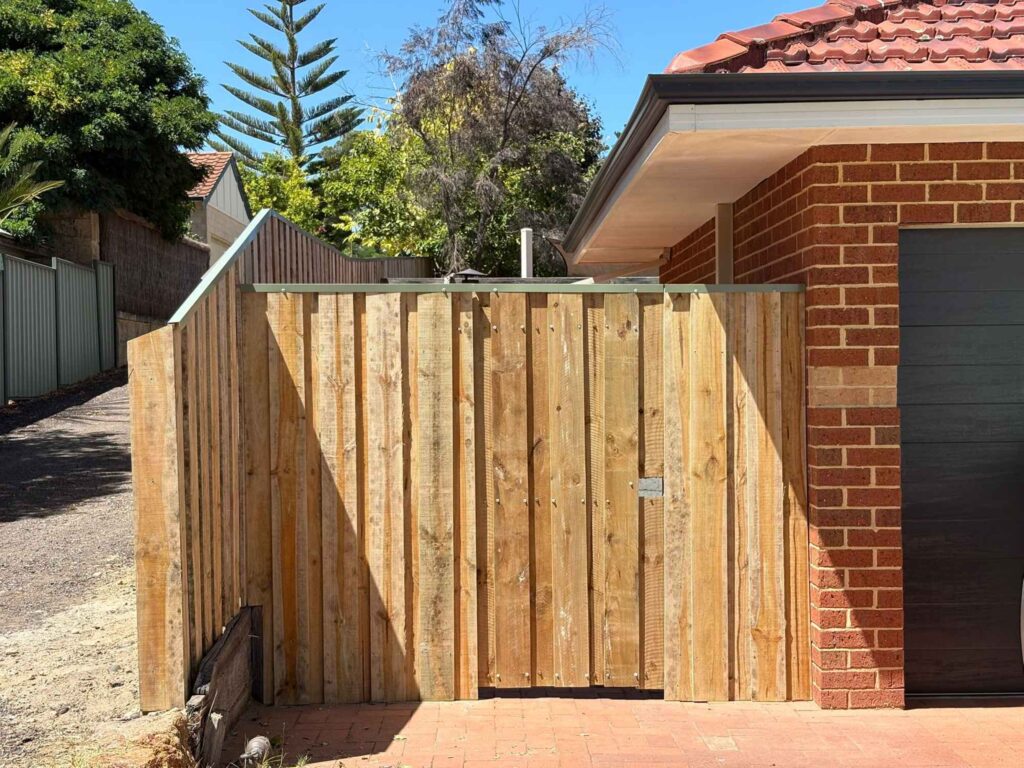
Timber fencing has framed Perth backyards for generations. It remains one of the most requested fencing styles today. Homeowners like the warm, natural look. They also like the lower upfront cost compared with steel or aluminium. Still, timber comes with real trade offs. Every buyer should understand them before committing.
This guide gives you an honest breakdown of timber fencing in a Perth context. You will find the genuine advantages and the real drawbacks. You will also see a full walkthrough of what installation actually involves. Answers to common homeowner questions sit near the end. Our aim is simple. We want you to make a confident decision, not just a quick one.
Fencing on a Budget has installed and repaired timber fencing across the Perth metro area for over sixteen years. The advice below reflects real jobs rather than general theory.
What Counts as Timber Fencing
Timber fencing covers several distinct styles. Each suits a different look and budget. Pinelap fencing uses horizontal overlapping slats. It remains the most common budget friendly option. Paling fences use vertical timber boards fixed to horizontal rails. This gives a classic straight line look. Picket fencing uses shorter, evenly spaced vertical boards, often at a lower height. It suits front boundaries and garden borders well.
Some properties combine feature timber sections with steel or aluminium framing. This creates a hybrid look that blends durability with a natural finish. Most timber fencing in WA uses treated pine. It is widely available, easy to work with and relatively affordable compared with hardwood.
Our full breakdown of the most requested timber style sits on our pinelap fencing page. It covers construction, durability and pricing in more detail.
The Real Advantages of Timber Fencing
Timber fencing earns its popularity through genuine, practical benefits. Not just tradition.
Lower upfront cost. Timber generally costs less per metre than Colorbond steel or aluminium slats. This matters for large boundary runs or tight renovation budgets.
Natural appearance. Timber suits cottage style homes, established gardens and rural properties. It looks far more natural than a factory finished steel panel.
Easy customisation. Owners can stain or paint timber to match their home’s exterior. That finish can be changed again later without replacing the fence.
Simple section repairs. Most timber styles use individual boards or slats. A damaged section can often be replaced without rebuilding the entire fence line.
Good sound dampening. Solid timber fencing reduces street or neighbour noise reasonably well. This works best when built without large gaps between boards.
These benefits explain why timber remains a strong choice for many Perth properties. This is especially true where budget and appearance matter more than a completely maintenance free fence.
The Real Drawbacks of Timber Fencing
An honest comparison also needs to cover where timber falls short. Steel and aluminium both outperform it in certain areas.
Higher maintenance needs. Timber needs periodic resealing or repainting. This protects it from sun damage, moisture and insects, typically every two to three years.
Shorter typical lifespan. Even well maintained timber usually lasts less time than Colorbond steel. This gap widens further in harsh sun or coastal exposure.
Vulnerability to termites and rot. Correct treatment reduces this risk significantly. Untreated or poorly treated timber remains far more vulnerable than steel or aluminium.
Weather sensitivity. Perth’s strong summer sun places real stress on timber fencing. Occasional severe storms add to that stress, especially on north and west facing boundaries.
Warping and splitting over time. Even treated timber can warp slightly as it dries and ages. This sometimes creates small gaps between boards after several years.
Weighing both sides of this comparison helps you decide if timber suits your property. A lower maintenance material such as our Colorbond fencing or aluminium slat fencing might serve you better long term.
Timber Fencing Costs in Perth
Timber fencing costs vary based on several factors. These are worth understanding before you request quotes.
Fence height and length directly affect material quantity and labour time. Post spacing and soil conditions matter too. Rocky or clay heavy ground in parts of Perth can slow excavation. It can also add to concrete costs.
Gate inclusions add further cost. Wider driveway gates need extra bracing to stay square over time. Removal of an existing fence adds a separate cost. This applies if your current boundary needs to come down first.
Timber grade and treatment level also influence price. Higher hazard class treatments used for ground contact posts cost more than standard above ground rated timber.
A detailed written quote gives you the clearest picture of your specific cost. Request one through our get a free estimate page. Our team will explain exactly what drives the price for your property.
What Timber Fence Installation Really Involves
Many homeowners underestimate how many steps go into a proper timber fence installation. Understanding the full process helps you judge whether a contractor is doing the job correctly.
Site Assessment and Measurement
The process starts with a site visit. The contractor measures the full boundary and checks ground conditions. They note obstacles such as trees, slopes, retaining walls or underground services. This step also confirms exact post spacing. It identifies any sections that may need extra support.
Removing the Old Fence
If an existing fence needs to come down, this happens first. Old posts often need to be dug out fully rather than simply cut off. Leftover concrete footings can otherwise interfere with new post placement.
Setting Posts and Footings
Posts get set at measured intervals. Hole depth depends on fence height and local soil conditions. Concrete footings then lock each post firmly in place. This step needs time to cure properly before the next stage begins. Rushing it is one of the most common causes of early fence failure. Posts set in shallow or poorly compacted footings tend to lean within a few years.
Fixing Rails and Boards
Once footings cure, horizontal rails go up between the posts. These rails support the vertical or horizontal boards. Each board or slat gets checked for level and spacing during fixing. Inconsistent gaps are one of the clearest signs of rushed work.
Hanging Gates
Gates get hung last. Hinges and latches get set to allow smooth operation without sagging over time. Wider gates often need diagonal bracing to stay square. This matters most on driveway sections that see regular use.
Final Inspection and Site Clean Up
A proper installation ends with a full walk through. The team checks alignment, fixings and overall finish. The site then gets cleared of offcuts, packaging and any leftover concrete.
Most standard residential timber fencing projects finish within one to three days. This depends on length and site access. Larger or more complex projects may run longer.
Choosing the Right Timber Fencing Contractor in Perth
Selecting the right contractor matters just as much as choosing the right timber style. A poorly installed fence fails early no matter how good the materials are.
Check how long the business has operated in the Perth area. Local experience with soil conditions and council requirements makes a real difference to the finished result. Ask to see completed projects, ideally through real photos rather than stock imagery. Our gallery shows recent timber and steel fencing work across the Perth metro area.
Insist on a written quote that lists materials, post depth, footing type, labour and an estimated completion date. Ask whether old fence removal and site cleanup are included. These often get left out of lower quotes. Ask what warranty applies to workmanship. Get those terms in writing before you commit.
Timber Fencing Rules and Regulations in Perth
Fencing rules apply regardless of which timber style you choose. Understanding them avoids costly disputes or compliance issues later.
Under the Dividing Fences Act 1961, adjoining property owners in Western Australia generally share the reasonable cost of a standard dividing fence. Neither neighbour can force an expensive upgrade onto the other without agreement. Disputes that cannot be resolved directly typically go through the Magistrates Court. The Western Australian Government dividing fences guide explains this process clearly.
Many Perth councils cap fence height on street facing boundaries. This limit often sits around 1.2 metres. Side and rear boundaries usually allow greater height, commonly up to 1.8 metres. Always confirm current limits with your specific local council before finalising your fence design. Rules vary slightly between council areas.
If your property includes a pool, timber fencing alone will not satisfy pool safety requirements. A compliant pool barrier needs specific gap sizes, minimum height and self closing gate hardware. This applies regardless of the surrounding fence material. Building and Energy WA publishes a useful pool safety barrier checklist that covers these requirements in full.
Types of Timber Used for Fencing in Perth
Not all timber fencing uses the same material. Understanding the options helps you choose the right balance of cost and performance.
Treated pine remains the most common choice for Perth fencing. It is affordable and widely available. Correctly treated pine resists termites, rot and fungal decay for many years. This depends on matching the treatment level to the application. It also takes stain and paint well, giving flexibility for matching your home’s exterior.
Merbau and other hardwoods offer a richer colour and denser grain than pine. They also have stronger natural resistance to decay. Hardwood costs considerably more, which makes it less common for full boundary fencing. It suits feature gates or entry sections instead, where appearance matters most.
Recycled and reclaimed timber appeals to owners seeking a sustainable option or a distinctive, weathered look. Availability and consistency can vary more than with new treated pine. It suits smaller feature projects better than full property boundaries.
Composite timber look products blend recycled wood fibre with polymer. They mimic the appearance of timber while offering steel like durability. These products cost more than treated pine but need less maintenance. This makes them worth considering if you want the timber look without the ongoing upkeep.
For most standard Perth boundary fencing projects, correctly treated pine offers the best balance. It combines cost, availability and performance well. Our team can advise on the right treatment level and finish during your free quote.
Weatherproofing and Sealant Options Explained
Choosing the right sealant matters just as much as choosing the right timber. Perth’s strong UV exposure breaks down unprotected surfaces quickly.
Oil based stains penetrate the timber fibres and highlight the natural grain. They give a warm, traditional finish. They generally need reapplication every one to two years in full sun exposure, since the oil breaks down faster than film forming products.
Water based stains dry faster and produce less odour than oil based products. They still allow the timber grain to show through. They typically last slightly longer than oil based stains in harsh sun.
Solid acrylic paints create a full colour film over the timber surface. This fully hides the grain while offering strong UV protection. It suits homeowners who want a specific colour to match their home. It generally lasts longer between coats than translucent stains.
Applying the first coat promptly after installation matters most of all. Untreated boards left exposed through a full Perth summer can dry out. They can begin cracking before any protective coat goes on.
Timber Fencing for Commercial and Rental Properties in Perth
Most timber fencing projects are residential. Commercial and rental properties also benefit from the right timber solution when appearance and budget both matter.
Rental property owners often choose treated pine for its lower upfront cost. Its repair process is also straightforward. A damaged section can be replaced quickly between tenancies without a full rebuild. This keeps maintenance costs predictable across a rental portfolio.
Small commercial properties sometimes use timber fencing for street facing boundaries. A natural, welcoming appearance can suit the business better than an industrial steel panel look. Steel or bollards work better for higher security areas such as loading docks or equipment yards. Combining timber with our bollards service in these zones balances appearance with practical security where it matters most.
Matching the fencing material to its specific purpose delivers better long term value. This applies whether that purpose is street appeal, security or budget.
Timber Versus Steel and Aluminium for Perth Properties
Choosing between timber and other fencing materials comes down to one trade off. You are weighing upfront cost against long term maintenance for your specific property.
Colorbond steel costs more initially. It needs far less ongoing attention and resists fire, termites and rot significantly better than timber. This makes it a strong choice for owners who want a fit and forget boundary fence. Our Colorbond fencing service page covers this option in detail.
Aluminium slat fencing sits at a premium price point. It suits coastal properties, pool surrounds and feature areas where corrosion resistance matters most. It needs almost no maintenance beyond an occasional wash. Full details sit on our aluminium slat fencing page.
Timber remains the strongest option when a natural look and lower upfront cost matter most. Many Perth homeowners choose timber for the bulk of their boundary. They reserve a premium material for a smaller feature section, balancing cost against appearance across the full project.
Common Mistakes Perth Homeowners Make With Timber Fencing
A few recurring mistakes cause most of the early failures we see on timber fencing jobs across Perth. Knowing them in advance helps you avoid unnecessary cost.
Choosing the wrong treatment level for posts. Fence posts sitting in direct ground contact need a higher hazard class treatment than above ground rails and boards. Using the wrong grade shortens post life significantly, sometimes within just a few years.
Skipping proper drainage around footings. Perth’s sandy soils drain quickly in most areas. Low lying yards or heavy clay pockets can still trap moisture around footings if drainage is not considered during installation.
Delaying the first coat of sealant. New timber left unsealed through a full Perth summer can dry out. It can start cracking before the first protective coat ever goes on. Sealing promptly after installation protects the timber from the outset.
Ignoring small repairs early. A single loose board or slight post movement rarely stays minor for long. Addressing these issues as soon as you notice them prevents a small fix from becoming a full section replacement.
Choosing a contractor purely on price. The lowest quote sometimes reflects thinner rails, shallower footings or lower grade timber. Compare quotes on materials and process, not just the bottom line, to protect your investment over the long run.
How Timber Fencing Affects Perth Property Value
A tidy, well maintained fence contributes more to street appeal than many homeowners realise. Local agents consistently note that first impressions form before a buyer even reaches the front door. A straight, well finished timber fence supports that impression strongly.
Buyers also pay attention to signs of ongoing upkeep. A properly sealed and maintained timber fence signals that the rest of the property likely receives similar care. A leaning, weathered fence can raise questions about deferred maintenance elsewhere. This happens even when the issue is purely cosmetic.
For rental properties, a secure and tidy timber fence supports faster leasing. It can also support a stronger asking rent, since tenants value privacy and a well kept exterior. Whether you plan to sell, rent or simply enjoy your home, investing in a properly built and maintained timber fence pays off well beyond its immediate function.
Signs Your Timber Fence Needs Repair or Replacement
Recognising damage early keeps repair costs manageable. It also prevents small problems from spreading along the fence line.
Watch for boards that have started splitting, cupping or pulling away from the rails. These are usually the earliest visible signs of weather damage. Leaning posts point to a failing footing. This typically needs a full reset rather than a simple straighten. Gaps forming between boards reduce both privacy and security. They often indicate that fixings have loosened over time.
Soft or spongy timber near ground level signals rot that has already set in. This section usually needs full replacement rather than a surface repair. Storm damage such as fallen branches or lifted panels can create hidden structural stress. This happens even when the fence still looks mostly intact from a distance. A professional inspection after severe weather is always worthwhile.
If you spot any of these signs, book an inspection before the damage spreads. Our team can advise whether a targeted repair or a fuller section replacement offers better long term value for your situation.
Timber Fencing Maintenance Tips for Perth Conditions
Perth’s climate places specific demands on timber fencing. A bit of regular attention extends its working life considerably.
Reseal or repaint timber every two to three years. Consider doing this sooner on north or west facing sections that get the most direct summer sun. Clear leaves, mulch and soil buildup away from post bases regularly. Trapped moisture at ground level is one of the leading causes of early rot in Perth’s sandy soils.
Check for movement in posts twice a year, particularly after storms or strong winter winds. Address any leaning early before the surrounding footing weakens further. Position sprinklers and garden beds so water does not spray directly onto timber sections. Constant dampness significantly shortens the lifespan of any timber fence.
Privacy and Noise Reduction With Timber Fencing
Beyond appearance and cost, many Perth homeowners choose timber fencing specifically for privacy and noise control. This matters most on busier streets or smaller blocks where neighbouring homes sit close together.
Solid timber fencing built without large gaps blocks direct sightlines effectively. This gives outdoor living areas a genuine sense of privacy. It matters most for alfresco areas, pools and gardens facing a neighbour’s upper storey windows or a busy street.
For noise reduction, denser timber and tighter board spacing generally perform better than lighter, widely spaced designs. No residential fence will fully block road noise. Still, a solid timber boundary noticeably softens traffic sound and general street activity compared with an open style fence or a low hedge.
If privacy matters most but you also want better airflow, consider our aluminium slat fencing option. It balances screening with ventilation and is worth comparing before you finalise your design.
Planning Your Timber Fencing Project Around Perth’s Seasons
Timing matters more with timber fencing than with most other fencing materials. Both installation quality and long term durability can be affected by weather conditions during the build.
Drier months generally make ground conditions easier to work with. This can speed up post hole digging and let footings cure without interference from heavy rain. Booking your project ahead of the warmer months means your new fence gets sealed before peak sun exposure begins. Raw boards left exposed through a full summer age faster than protected ones.
Booking repairs promptly after storm damage matters too. A fence already weakened by wind or fallen debris can deteriorate further if left exposed. Demand for fencing services tends to rise heading into spring and summer across Perth. Booking your quote and installation date early gives you more flexibility around scheduling. It also helps you avoid a lengthy wait for a fitting.
Questions to Ask Before Booking a Timber Fencing Quote
A short conversation before booking a full quote can save real time and money down the track. Consider raising the following points when you first contact a timber fencing contractor.
Ask what timber treatment level they use for posts compared with rails and boards. This single detail affects how long your fence will last.
Find out whether the quoted price is fixed or subject to change once work begins. Unexpected ground conditions are common in some Perth suburbs, so clarity here matters.
A written warranty covering both materials and workmanship gives you real protection. Request those terms directly rather than relying on a verbal assurance.
Confirm an estimated start date and completion timeframe so you can plan around the work. This matters most if pets or young children use the yard during installation.
Check whether the company handles council permit applications on your behalf. Also confirm whether removal and disposal of your existing fence is included in the quoted price. These small questions upfront prevent most of the disputes and surprises that arise partway through a fencing project.
Why Choose an Experienced Local Timber Fencing Team
Correct post depth, timber treatment level and board spacing all affect how long a timber fence lasts. Experienced local installation genuinely matters as a result.
Fencing on a Budget has serviced homes, businesses and new developments across the Perth metro area for over sixteen years. Our team understands local soil conditions. We match timber treatment correctly to each part of the fence. Every installation gets finished to the same standard regardless of project size.
Ready to move forward? Visit our contact us page to speak with our team about your project. Or request a free estimate today for a clear, honest quote with no pressure to commit on the spot.
Frequently Asked Questions
General Timber Fencing Questions
Is timber fencing a good choice for Perth’s climate? Timber fencing performs well in Perth when built with correctly treated timber and maintained regularly. Strong summer sun and sandy soils make upkeep more important than in milder climates.
How long does timber fencing last in Perth? A well built and properly maintained timber fence typically lasts fifteen to twenty five years in Perth. Coastal exposure and heavy sun can shorten that timeframe.
Is timber fencing cheaper than Colorbond in Perth? Yes, timber fencing generally costs less upfront than Colorbond steel. Colorbond needs less ongoing maintenance over the life of the fence.
Do I need council approval for a timber fence in Perth? It depends on fence height and location. Many councils allow standard side and rear boundary fences without approval. Street facing fences over a certain height often need council sign off, so check with your local council first.
How often should a timber fence be resealed? Most timber fences benefit from resealing or repainting every two to three years. Sun exposed sections sometimes need attention sooner.
Can a section of timber fence be repaired instead of replacing the whole fence? Yes, most timber fencing styles use individual boards or slats. This makes targeted section repairs straightforward without rebuilding the entire fence line.
Cost, Compliance and Performance Questions
Does timber fencing meet pool safety requirements in WA? Timber fencing does not automatically meet pool barrier requirements. Pool fencing needs specific gap sizes, minimum height and self closing gate hardware, so a dedicated compliant barrier is required regardless of the surrounding fence material.
Who pays for a timber dividing fence between neighbours? Under the Dividing Fences Act 1961 in Western Australia, adjoining owners generally share the reasonable cost of a standard dividing fence. Any specific arrangement should be documented in writing.
Does timber fencing block noise better than steel fencing? Solid timber fencing with tight board spacing performs reasonably well at softening traffic and street noise. Performance depends more on solid construction and gap size than the specific material used.
What is the best timber for fencing in Perth’s sandy soils? Correctly treated pine performs well in Perth’s sandy soil conditions when installed with proper drainage. Use H4 treated posts for ground contact and H3 treated rails and boards above ground.
How much does a standard timber fence cost in Perth compared with Colorbond? Standard timber fencing typically sits below Colorbond on price per metre, though the exact gap depends on fence height, gate inclusions and site conditions. A detailed written quote gives the clearest comparison for your specific property.
Can timber fencing be installed on a sloped block? Yes, timber fencing can follow a sloped block using stepped panels or a raked design that follows the ground line. Post depth and spacing may need adjusting on steeper sections, so a site visit before quoting is worthwhile.
Final Thoughts
Timber fencing remains a genuinely practical choice for many Perth properties. It offers a natural look and lower upfront cost compared with steel or aluminium alternatives. The trade off is ongoing maintenance and a shorter typical lifespan. Weigh these factors against your long term plans before deciding.
If you want a natural look with less upkeep than raw timber, compare it against our Colorbond and aluminium slat fencing options before making a final call.
Ready to discuss your timber fencing project? Get in touch through our contact us page.
And let our experienced Perth team guide you through the right option for your property.